Every Day, Yes
Words and photographs by Joe Bedard
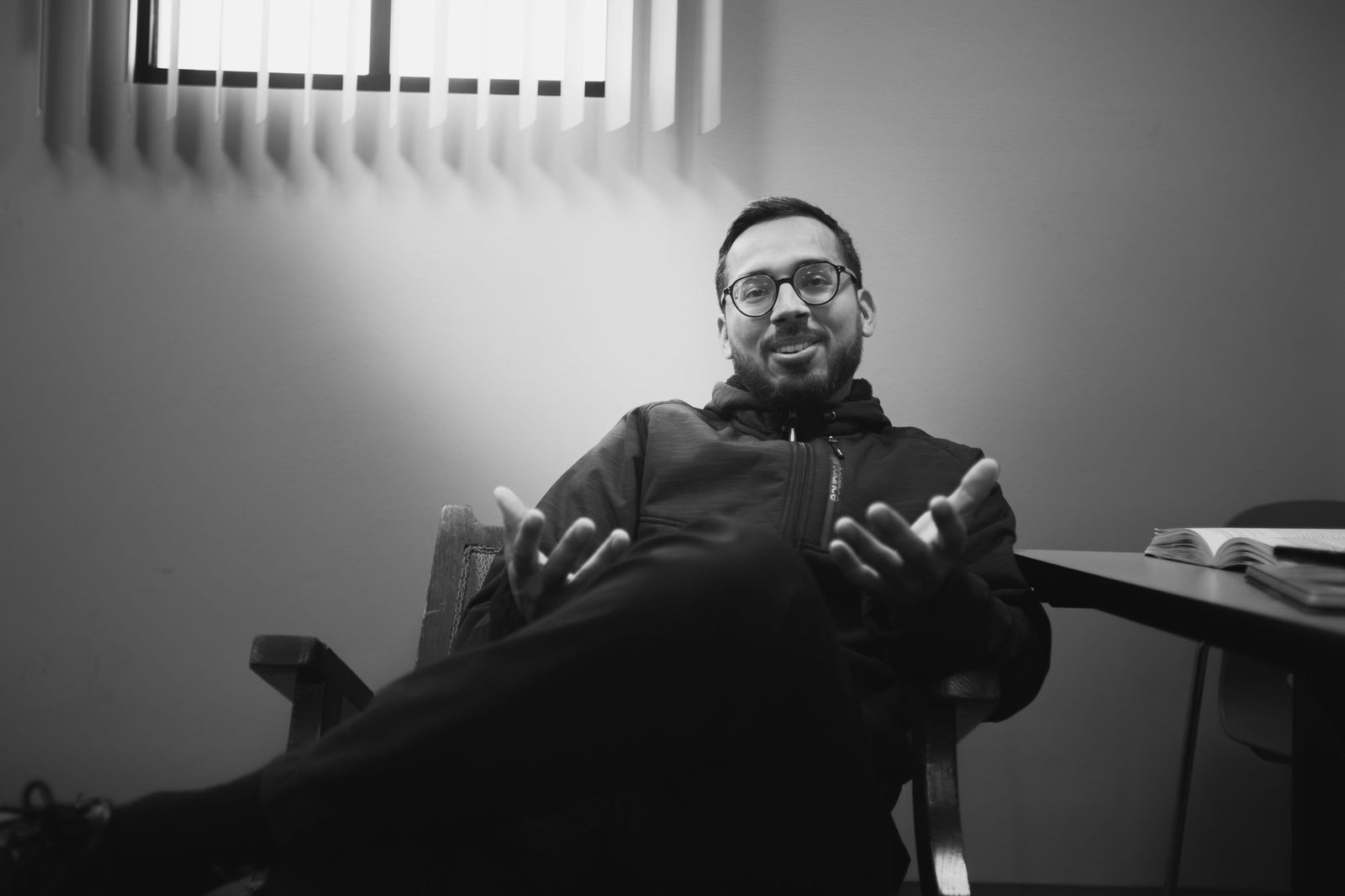
On the feast of St. Charles Borromeo, patron saint of seminarians, Alan Guerrero returns to the Bloomington parish where God first found him. There he is learning, week by week, what it means to become a father to the Church.
The small chapel
Before St. Charles Borromeo in Bloomington had the church it has today, it had a small chapel. Every summer a boy raised in Mexico came north to stay with family. Every Sunday, he sat in that chapel for Mass.
“We didn’t have the big church we have now,” Alan Guerrero remembers. “It was a really small chapel. I was just there, you know, being part of Mass, of the community.”
God doesn’t usually announce Himself with a big “whoa” moment. More often He speaks in small ways that only later turn out to be grand. Alan’s story is one of those.
“I never thought I was going to have my first deep encounter with the Lord in that parish,” he says. “It’s just a testament of how God works in very mysterious ways. In a sense, God was already preparing me.”
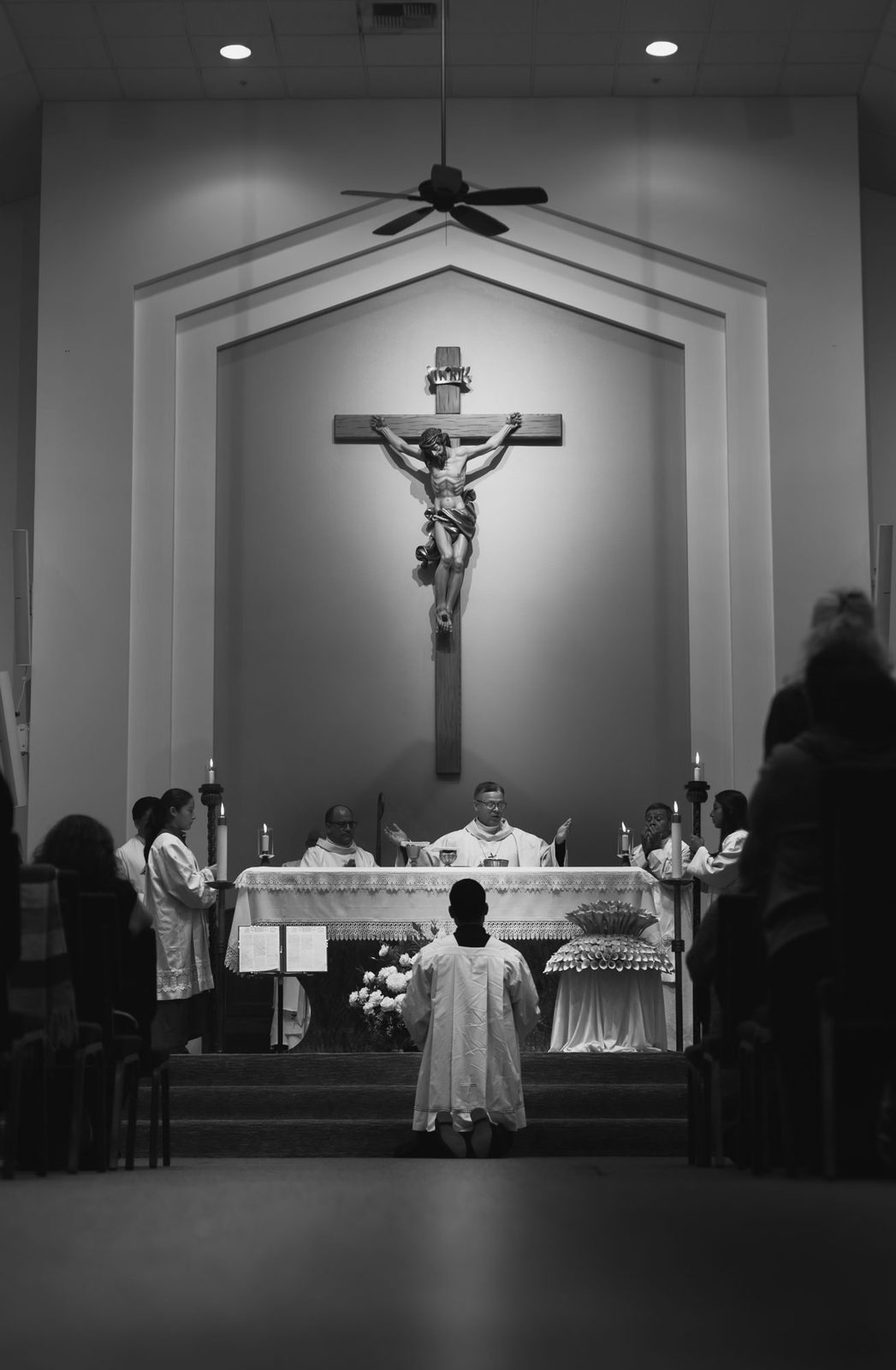
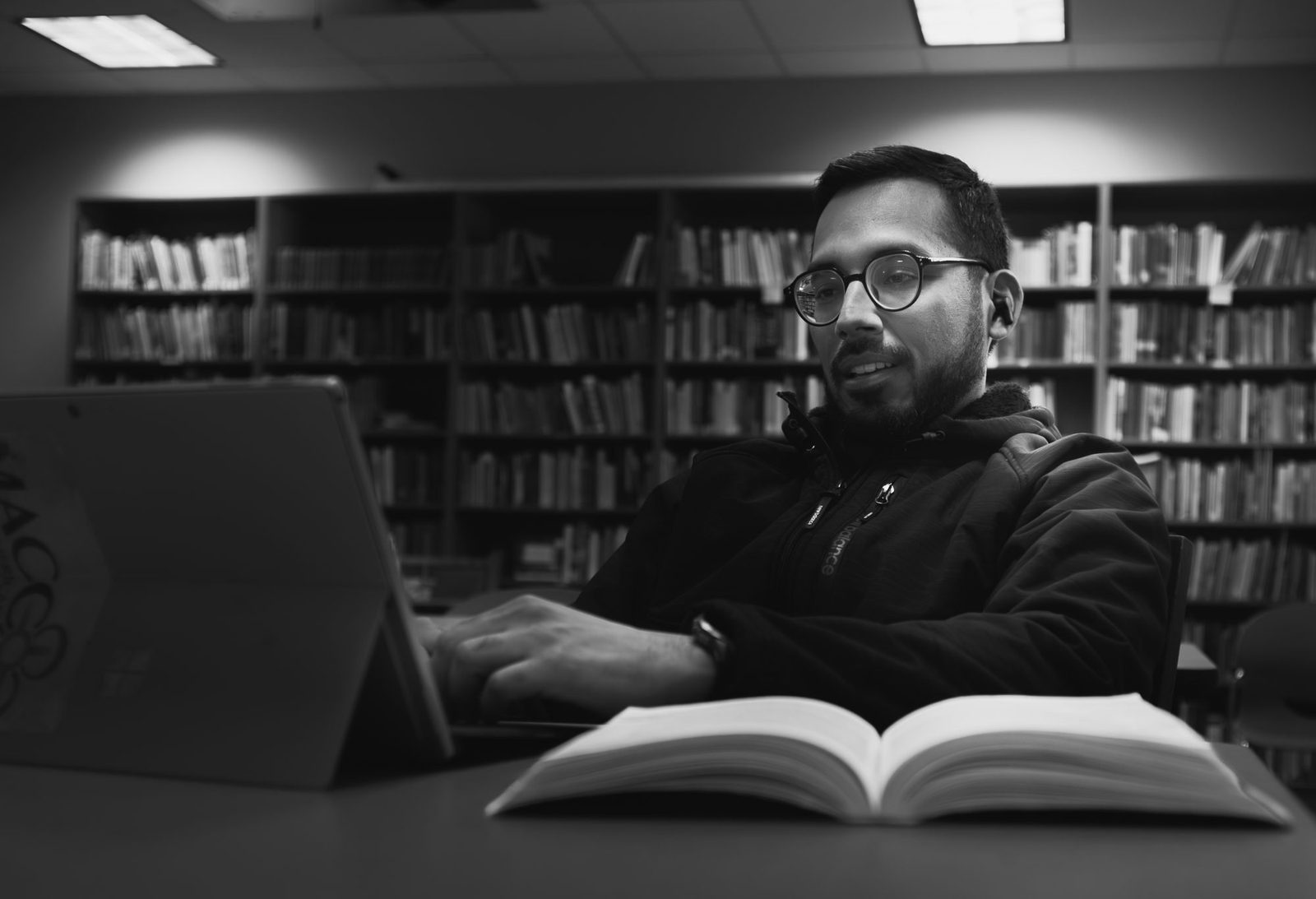
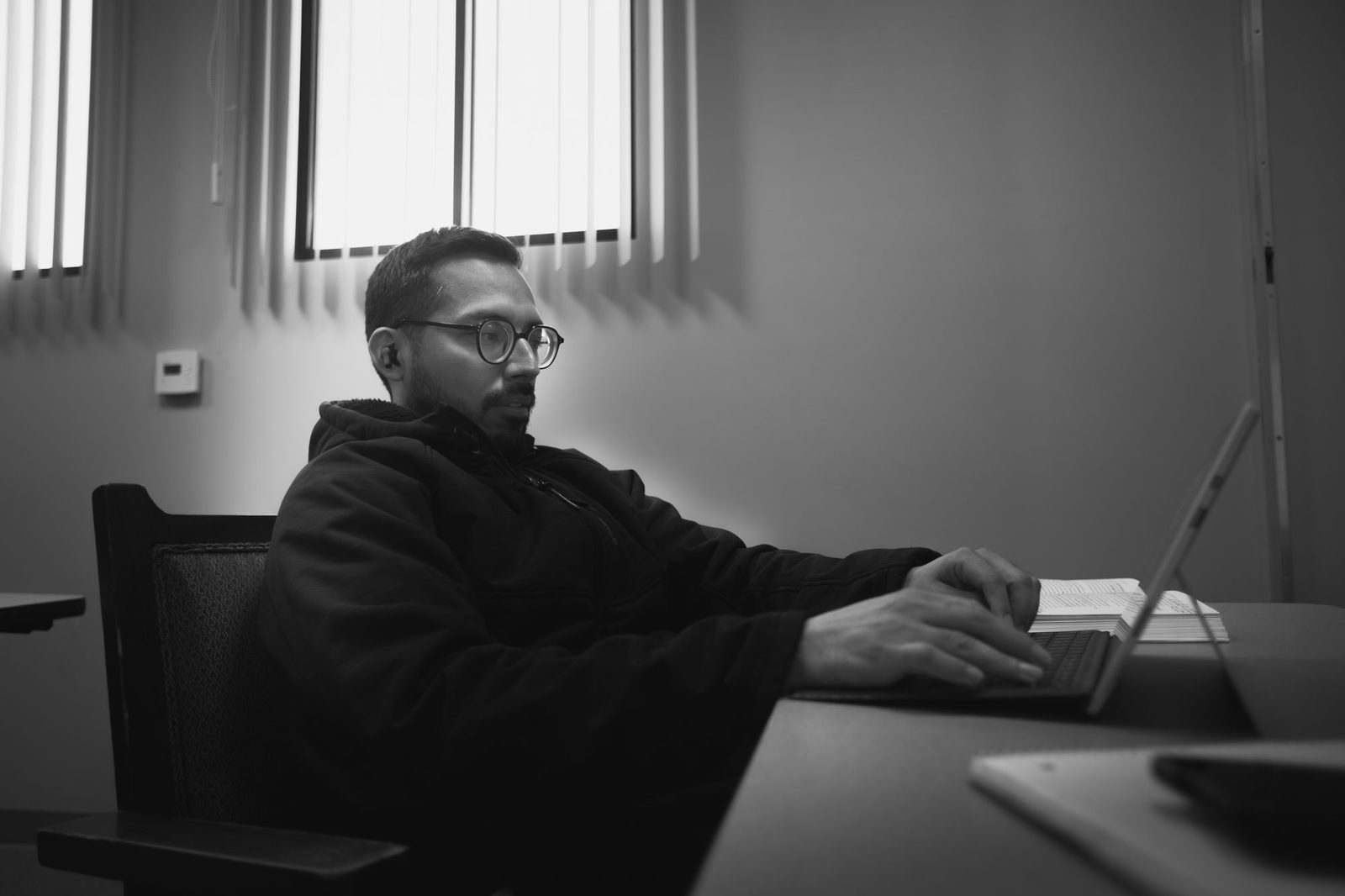
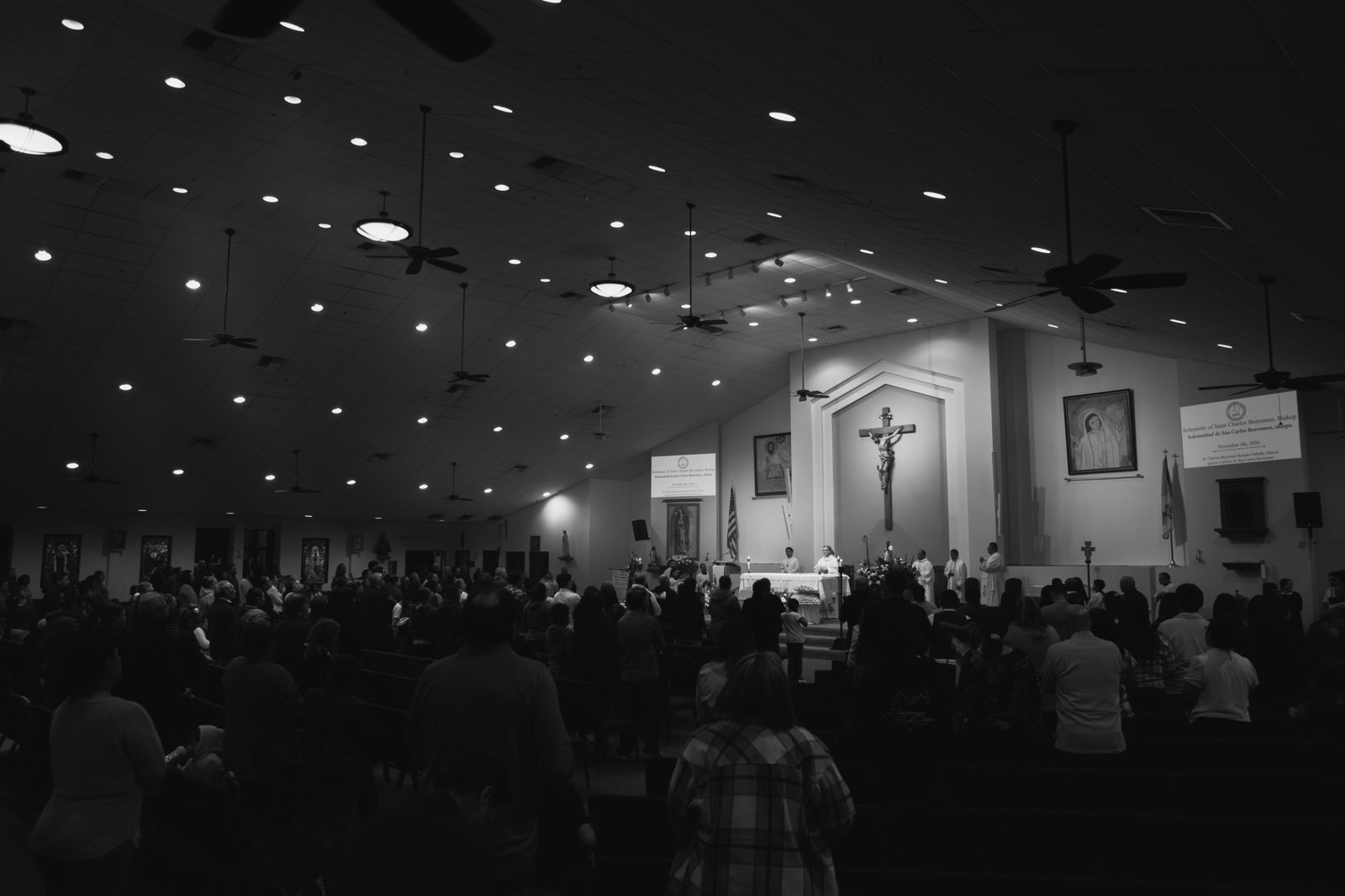
Today Alan is 30 years old and in his final year of the discipleship stage at the St. Junípero Serra House of Formation. Today is also November 4, the feast of his parish’s patron. St. Charles Borromeo is the patron saint of seminarians, and his feast falls in the middle of National Vocation Awareness Week. For Alan, going home to St. Charles today means going back to where his yes began.
“In a sense, God was already preparing me.” — Alan Guerrero
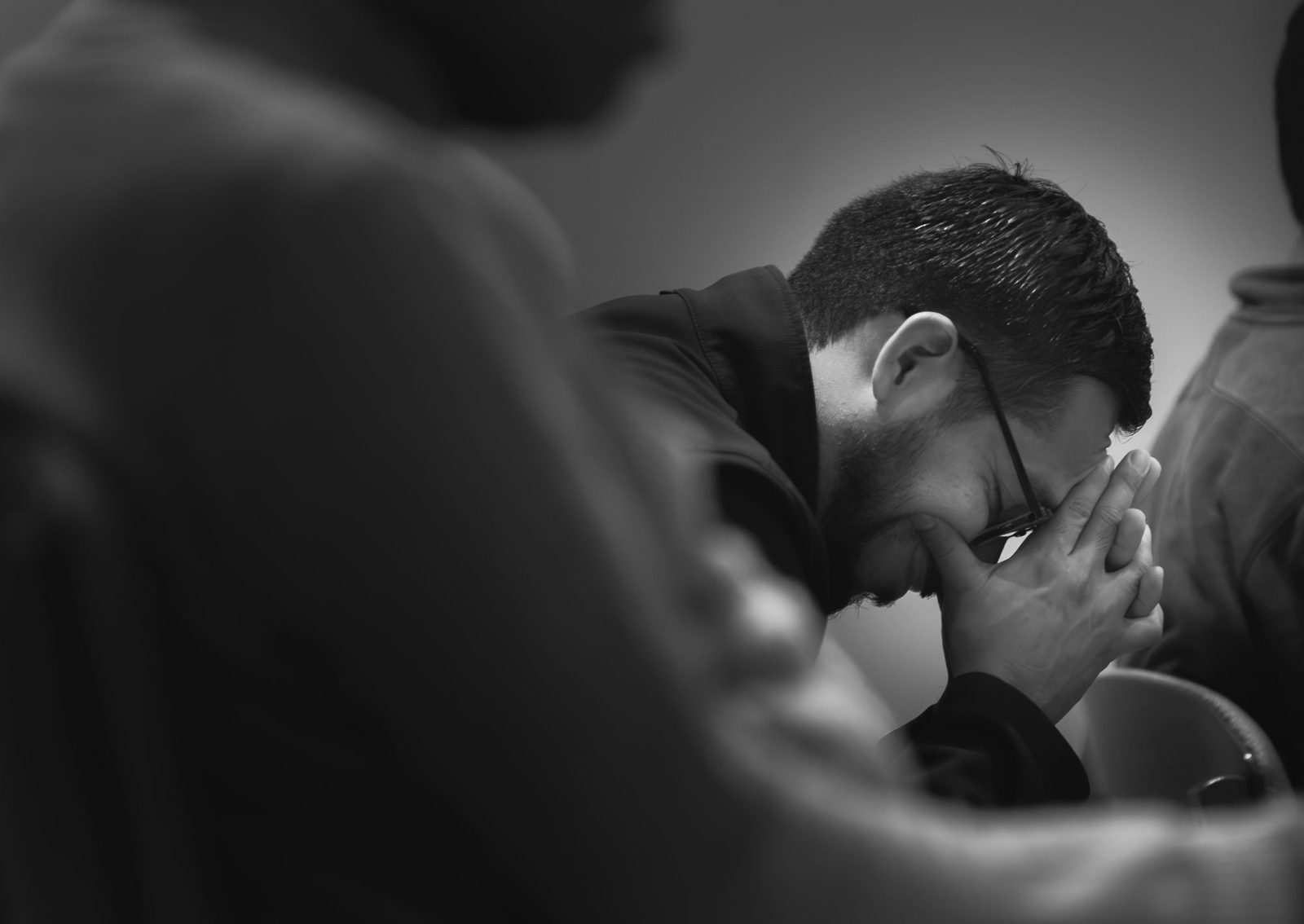
The first yes, and every yes after
I know a little about the difference between falling in love and saying yes. Before my wife and I married, people kept telling us it would be different. I didn’t believe them. But something does change. You’re no longer saying yes only to the person. You’re saying yes to everything they carry, their failures and their struggles, and taking it on as your own.
Alan says the road to Holy Orders works the same way.
“When I first had this deep encounter with God, it was like my first calling to leave everything and just follow Him,” he says. “It was very exciting, very joyful. I was willing to do everything to follow Him.”
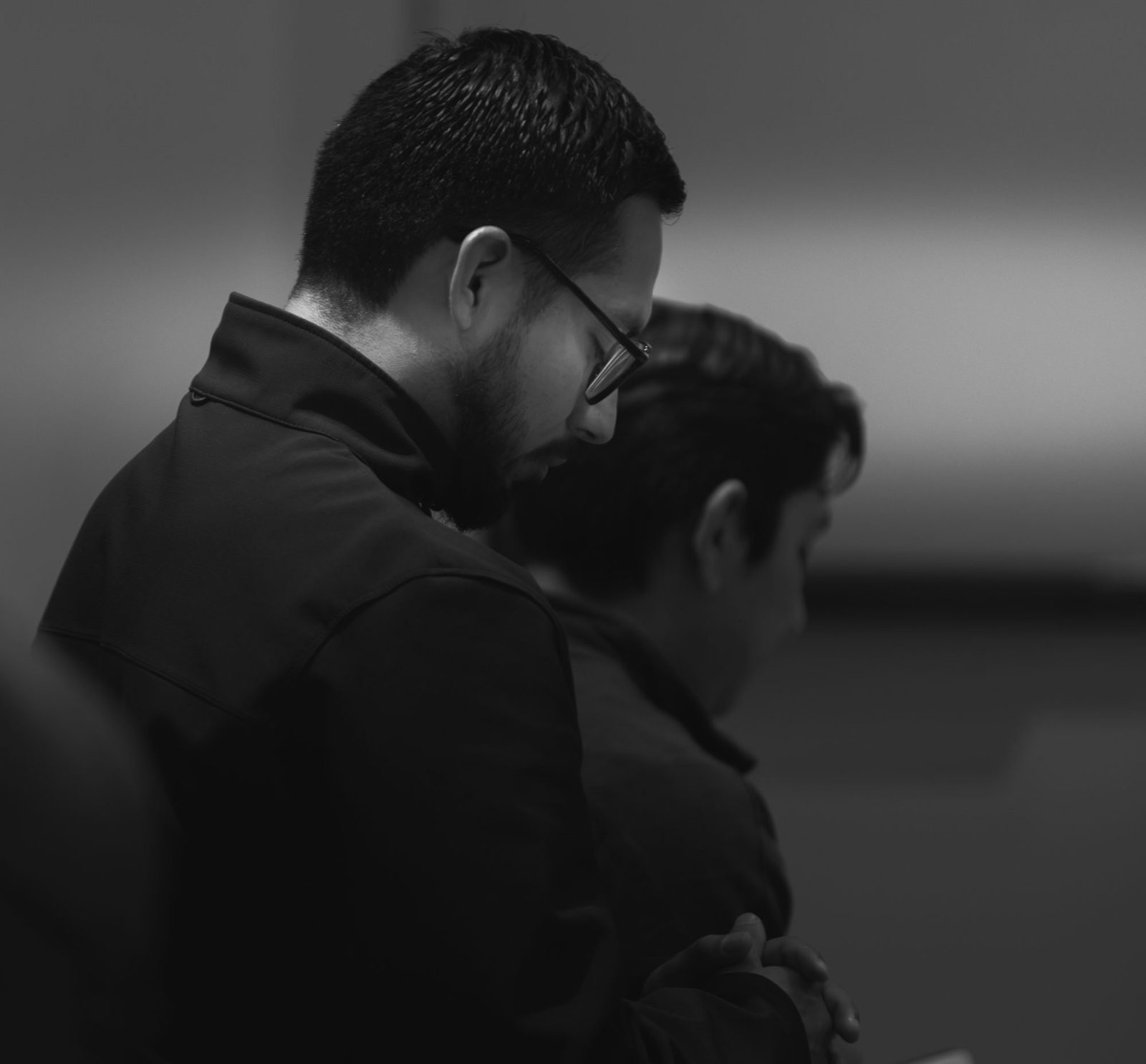
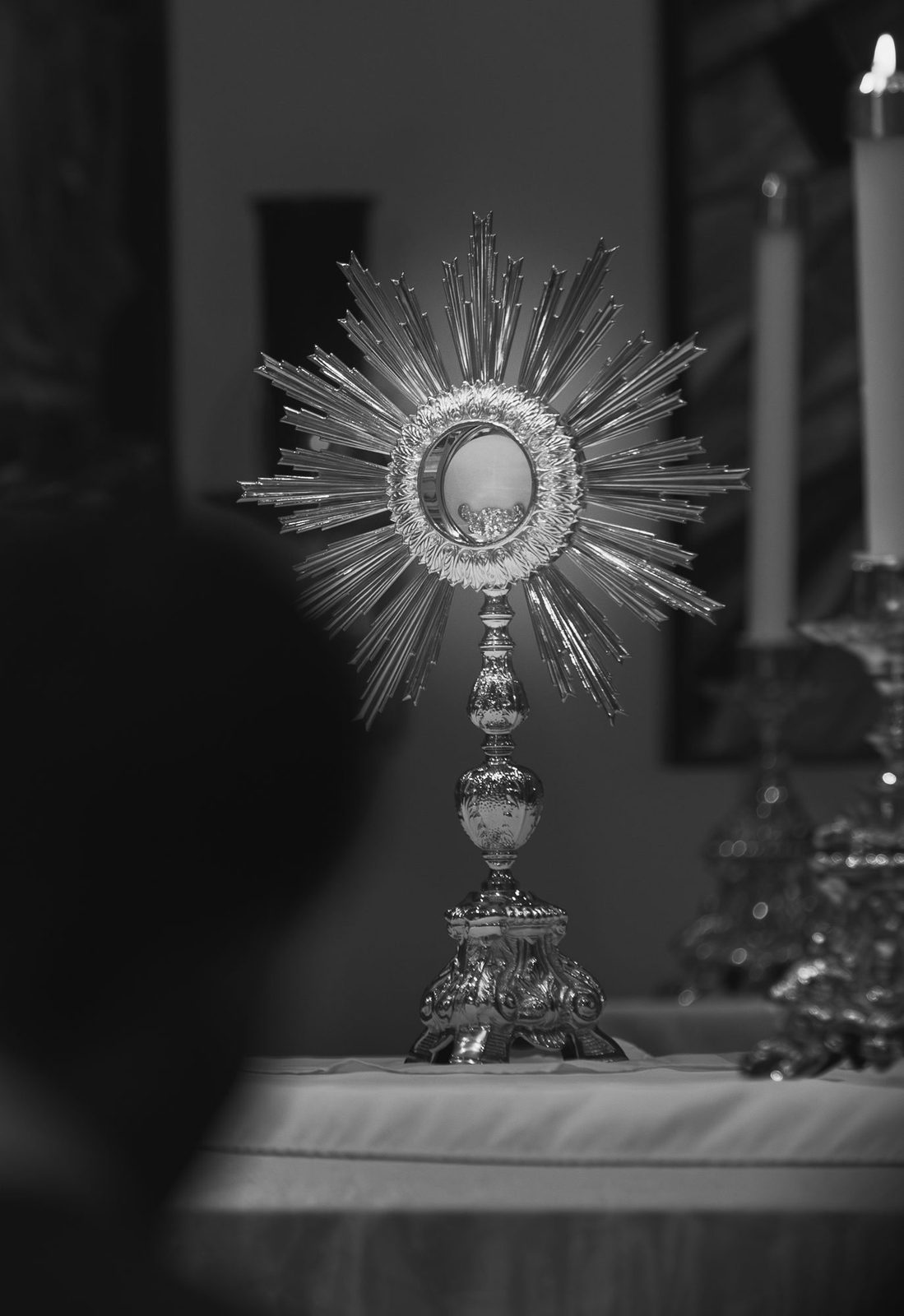
Then the real journey began.
“You realize it’s not easy. It’s not just emotions, and it’s not always just like, oh, we’re gonna have fun. There’s a lot of sacrifices, a lot of difficult moments, a lot of surrendering your own ego and yourself to God.”
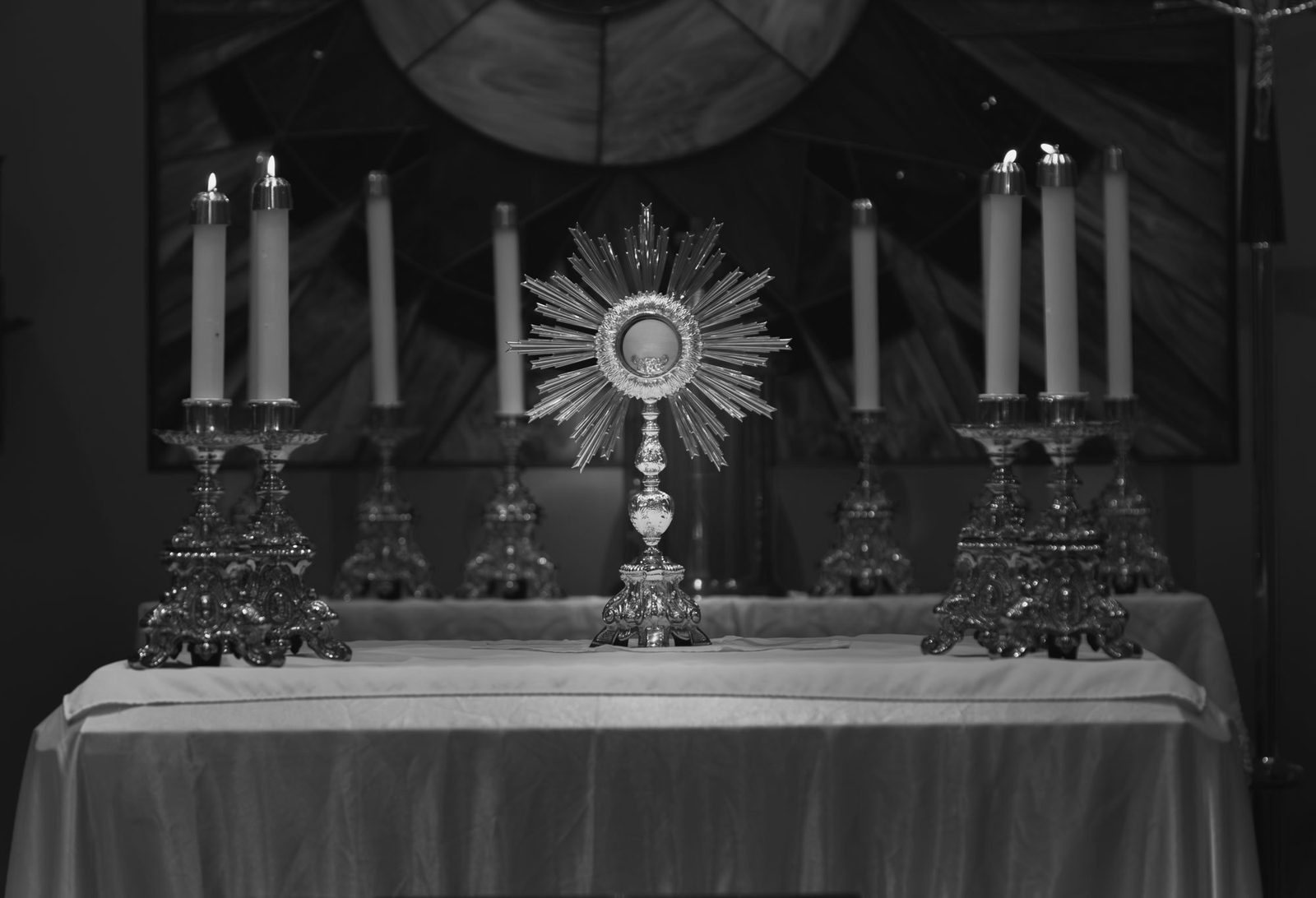
The first yes, he has learned, is only the beginning.
“You have to learn how to say yes every day, despite every situation you may encounter.”
The father he might have been
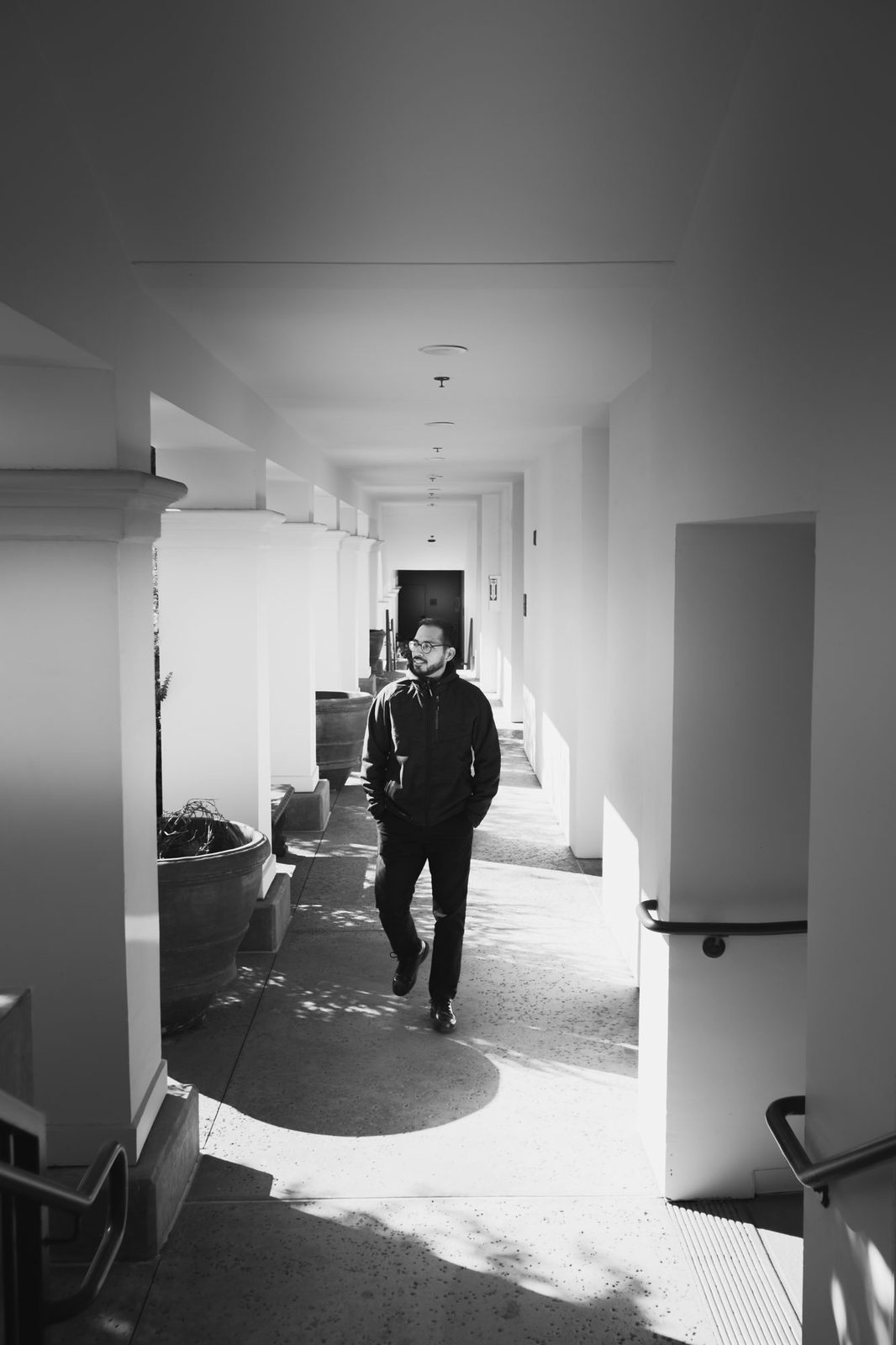
There’s a myth about seminarians that Alan wants to clear up.
“A lot of people think when you’re discerning the vocation to the priesthood, you somehow stop being a man. You somehow stop having desires and emotions,” he says. “No, that’s not true. You still are a man, and you have the desire to share your life with a woman, to be a father.”
He doesn’t hide how close to home that is. “That’s a big thing that I always struggle with. I’m here in seminary and I do feel called to be a priest. But that desire to be a father and have a family, and be the protector and the provider for them, is always present.”
I’m a dad. My favorite moment of the day is pulling up to the house and hearing my son come running and screaming, “Dad!” That’s the postcard. That’s the dream. Sitting across from Alan, I realized he knows exactly what that moment is worth. He’s placing the possibility of it in God’s hands anyway.
That is the quiet sacrifice behind every vocation to the priesthood. Many of the men in formation once pictured a family of their own, and some still feel the pull. They aren’t giving up something they never wanted. They’re offering up something real, a wife and children of their own, so they can become fathers to the whole Church instead.
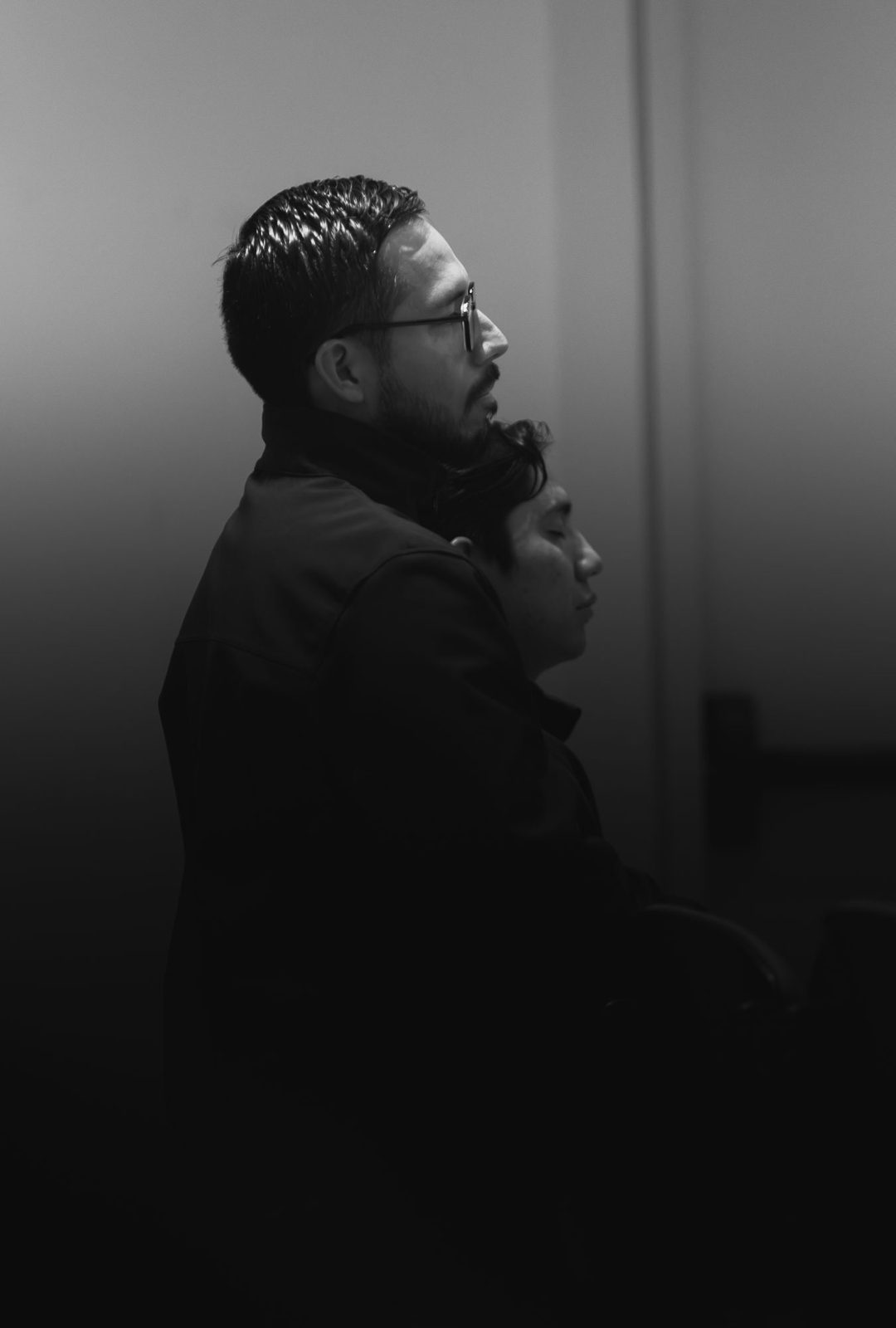
“At times there’s that doubt,” Alan says. “Am I really being called to be this type of father, a spiritual father, a priest for a community? Or a father of a family?”
What brings him back is trust, and not trust in a distant God.
“It’s not like God calls you and He just leaves you alone and, oh, you figure it out,” he says. “No, it’s a relationship. As we respond to Him, He shows His love and His grace to us. He walks with us. Every day we have to say yes to Him, and He gives us the grace to keep walking on this path.”
Somewhere on that path, the doubt has started to look like something else.
“Maybe that desire I have deep in my heart of being a father will be more fulfilled as a priest,” he says. “Because at the end of the day, a priest is still a father.”
The weight of trust
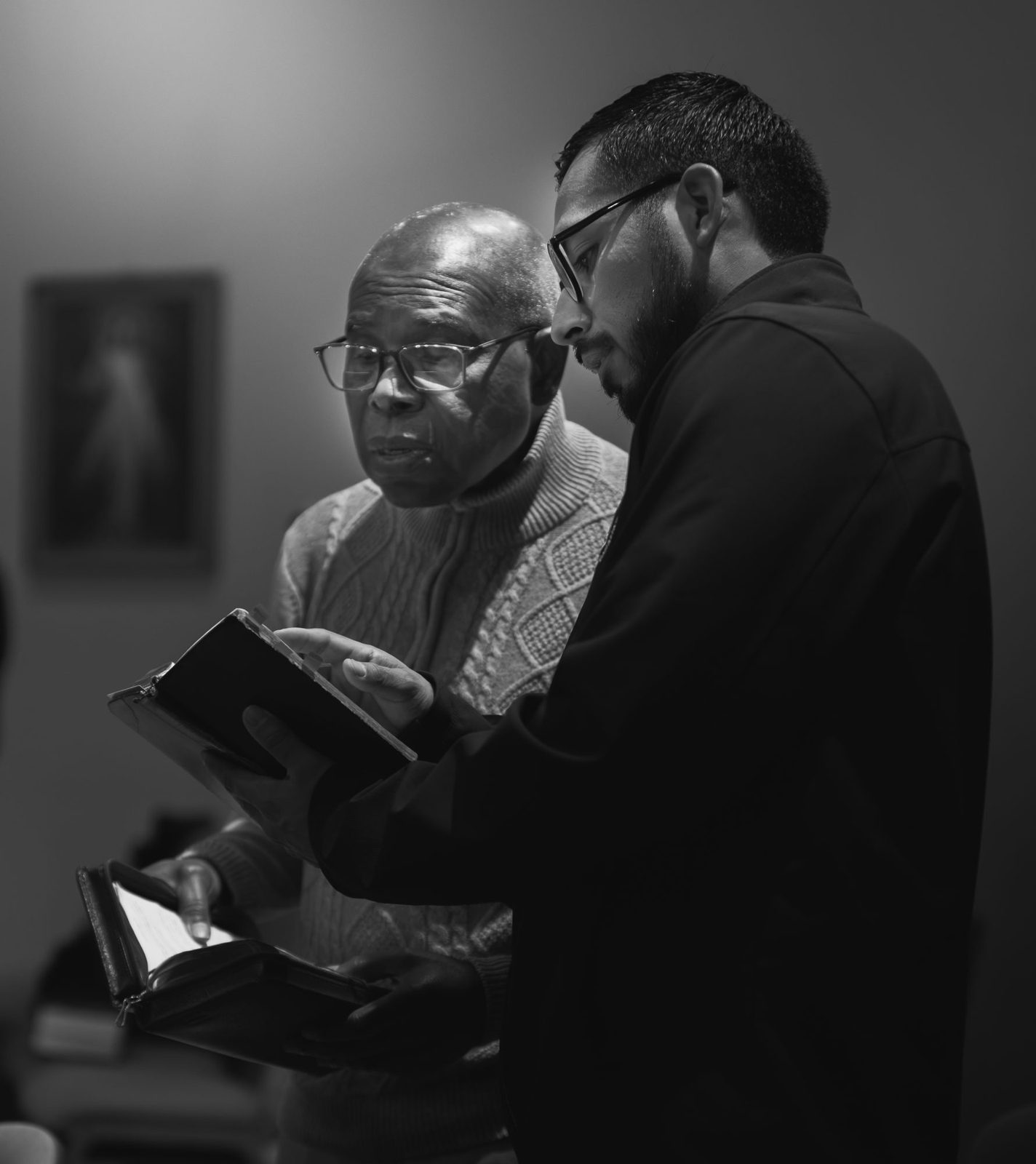
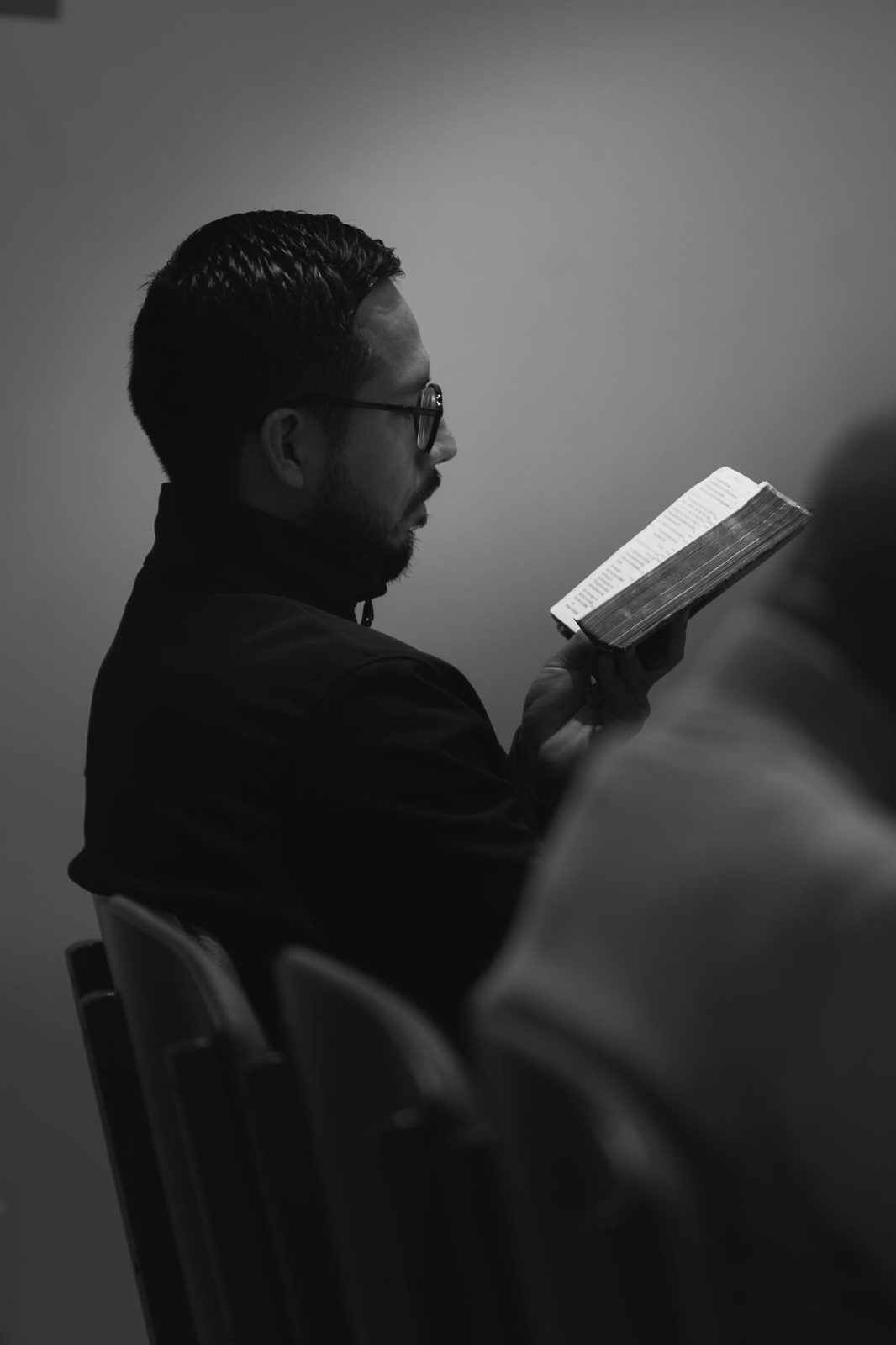
Alan has seen what that fatherhood looks like. People come to a priest with things they can’t tell anyone else.
“When you encounter a priest, sometimes you immediately feel like you have someone to just open up to, to tell your deepest secrets or your deepest struggles,” he says. “You can’t do that with anyone, not even a close friend sometimes. But I think the priest has this grace from God that opens the door.”
That trust comes at a cost. Priests are pulled into a circle of trust they never asked for, and the weight of it is real. One young priest, only months ordained, told me simply: this is a lot. People forget that there’s a human being behind that altar.
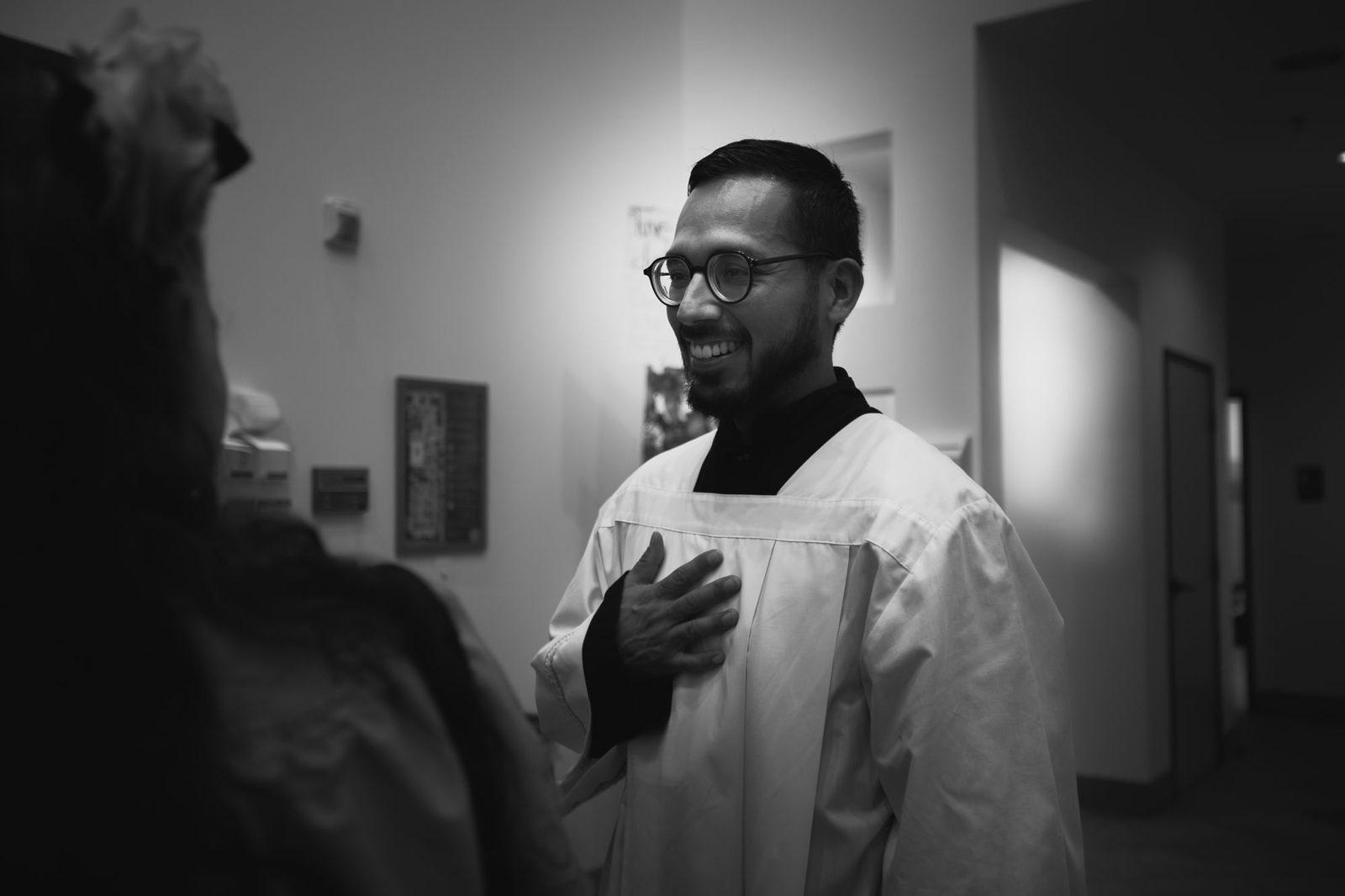
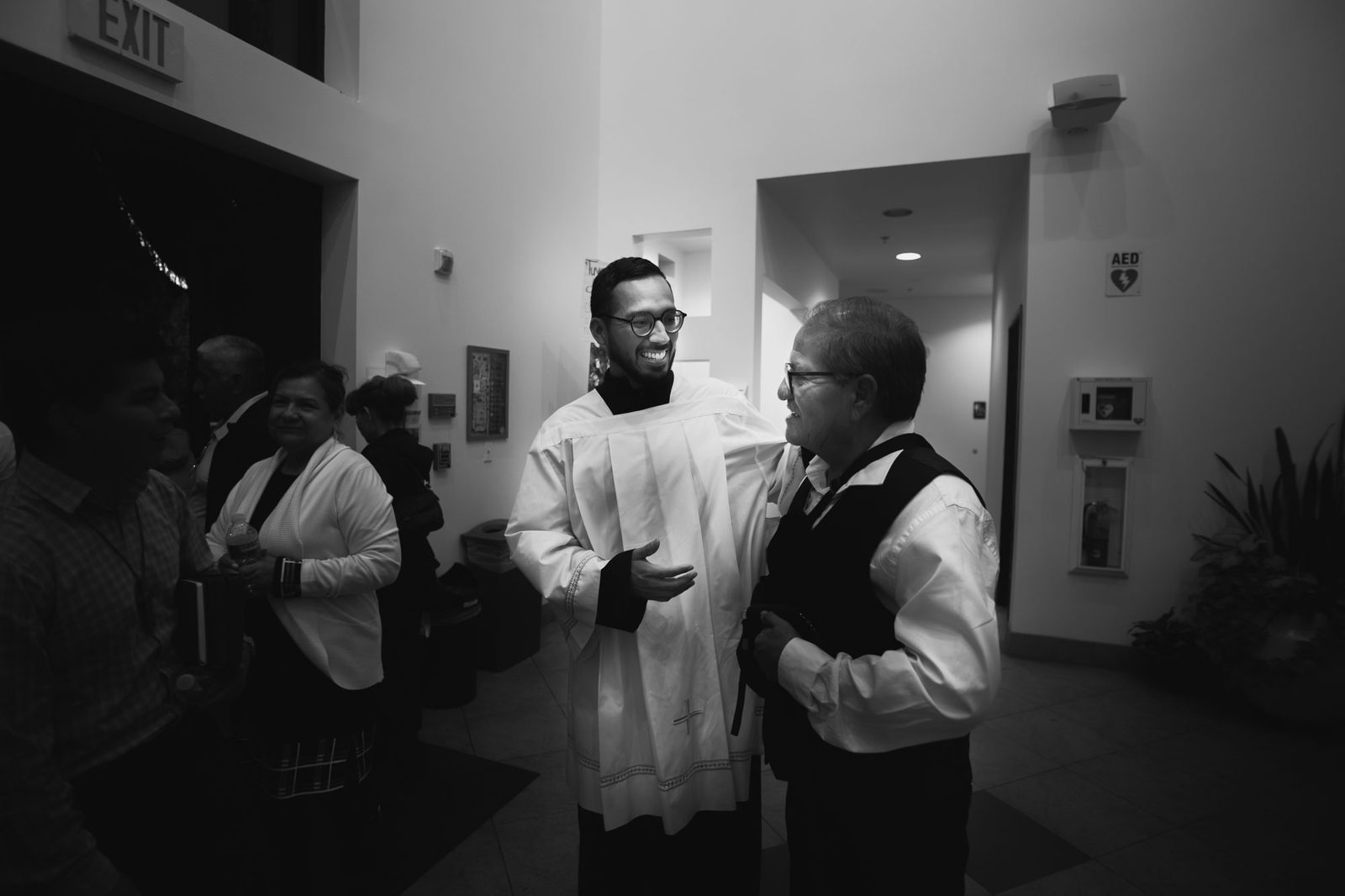
“It is a lot,” Alan agrees. “Obviously I’m not a priest yet, so I can’t experience that weight completely. But as a seminarian you start having a little taste of it. A lot of young people start sharing with us a lot of their things, and it does become like a weight on you.”
This is where he credits his formation. “That’s why I appreciate seminary formation so much. Here at the seminary is where we start learning how to handle all those things.”

The saint he celebrates today understood that weight. In this morning’s Office of Readings, the Church prays St. Charles’s own words to his priests:
“Are you in charge of a parish? If so, do not neglect the parish of your own soul. … You have to be mindful of your people without becoming forgetful of yourself.” — St. Charles Borromeo

Alan read it and took it to heart. “He says, yeah, you’re a priest to serve the people, but you never have to forget that you’re also a human, and that you need to take care of yourself as well.”
Formation, he says, teaches both. “We learn how to serve people, how to trust God, how to listen to people, how to be good shepherds. But also we learn how to take care of ourselves, to build healthy habits that allow us to rest. And by rest I don’t mean just laying down on the couch for the whole day.”
The saint who built the seminary
Charles Borromeo was born in 1538 to a noble family in northern Italy. At 21, his uncle, Pope Pius IV, made him a cardinal. He went on to become Archbishop of Milan during one of the most troubled periods in the Church’s history. After the Council of Trent called for every diocese to form its priests properly, Charles carried out that call. He opened seminaries and helped shape the very system that is forming Alan today. When plague struck Milan in 1576, he stayed in the city and cared for the sick and the poor. His motto was a single word: Humilitas. Humility.
“It’s not like I’m an expert,” Alan says when I ask about him. Then he knows more than he lets on.
“He was a very brilliant guy, very intellectual, but also very spiritual, the perfect combination of faith and reason. He saw that the Church needed renewal.”

What moves Alan is how Charles saw it. “Because he was very close to Christ. When you have that deep relationship with Christ, you’re able to see beyond what most people can see. So he wanted the Church to be renewed. Of course, not with his own ideas, but by the Holy Spirit.”
“He was a very, very intelligent guy, but also he had that humility to let himself be formed by Christ. I think that is a perfect witness of what we have to do as seminarians.”

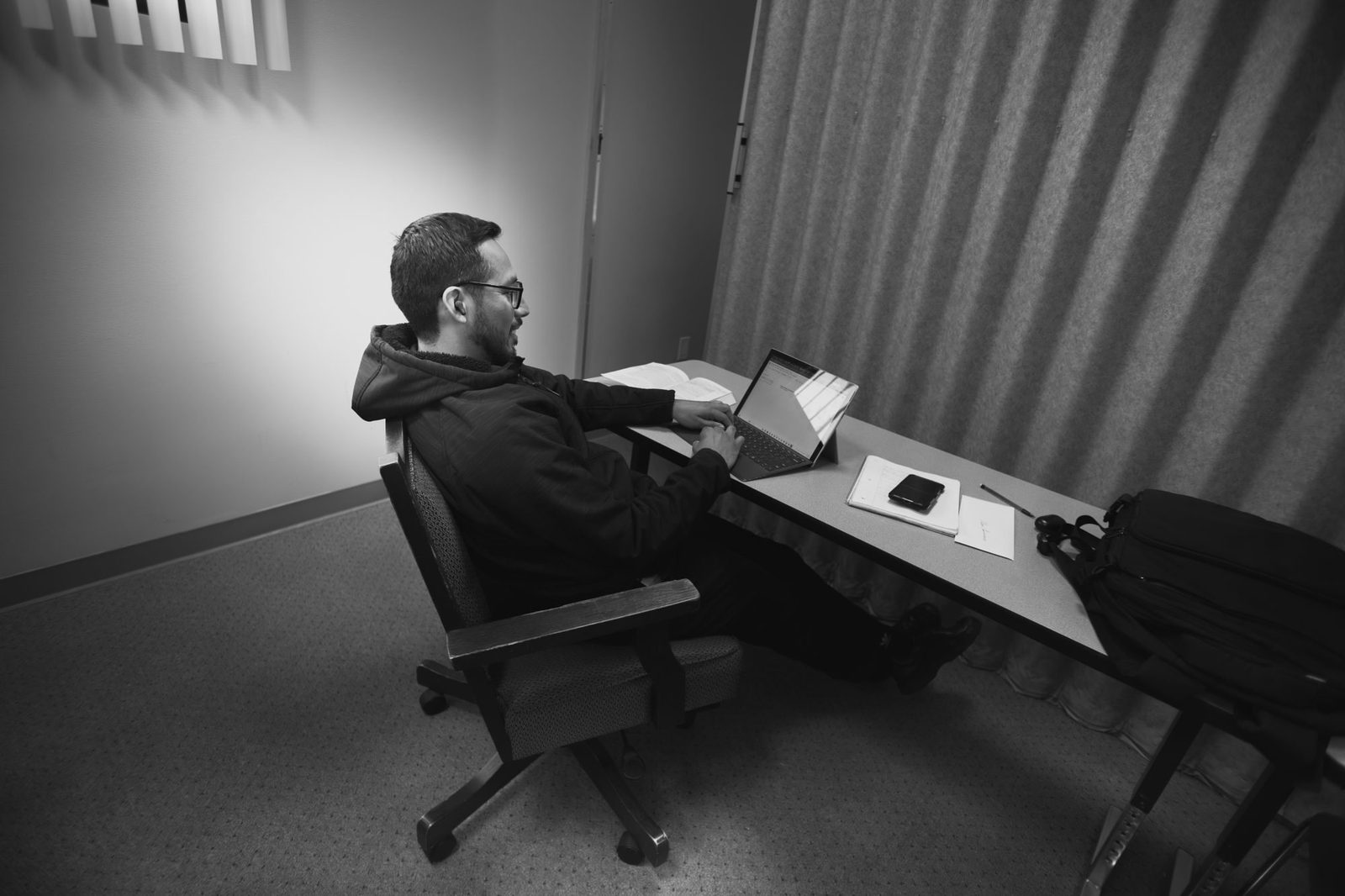
“We come here to seminary with our own gifts and talents and our own experience,” he says. “But that’s not enough. If we want to do this ministry by our own strength, we’re not going to be very successful. We need that humility to surrender everything that we are to God, so that He can form us into the priest that He wants us to be for the people.”
That’s what today means to him. “It’s a reminder that I have to take my formation seriously, in order to serve better the people of God, because he was a true shepherd,” he says. “I’m not a seminarian just to waste time or for my own self-accomplishment. It’s to serve the people of God.”
Formed as a whole man
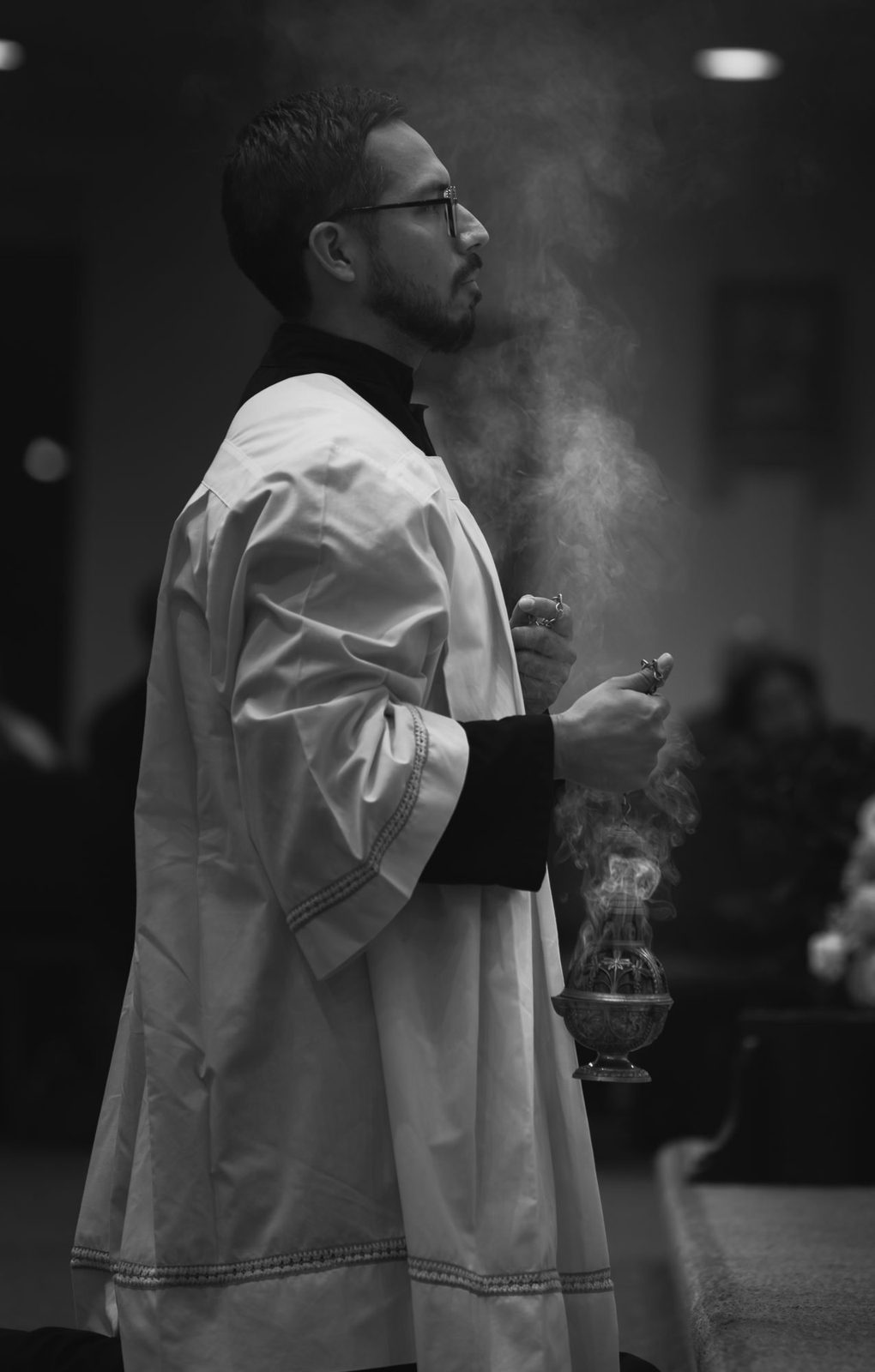
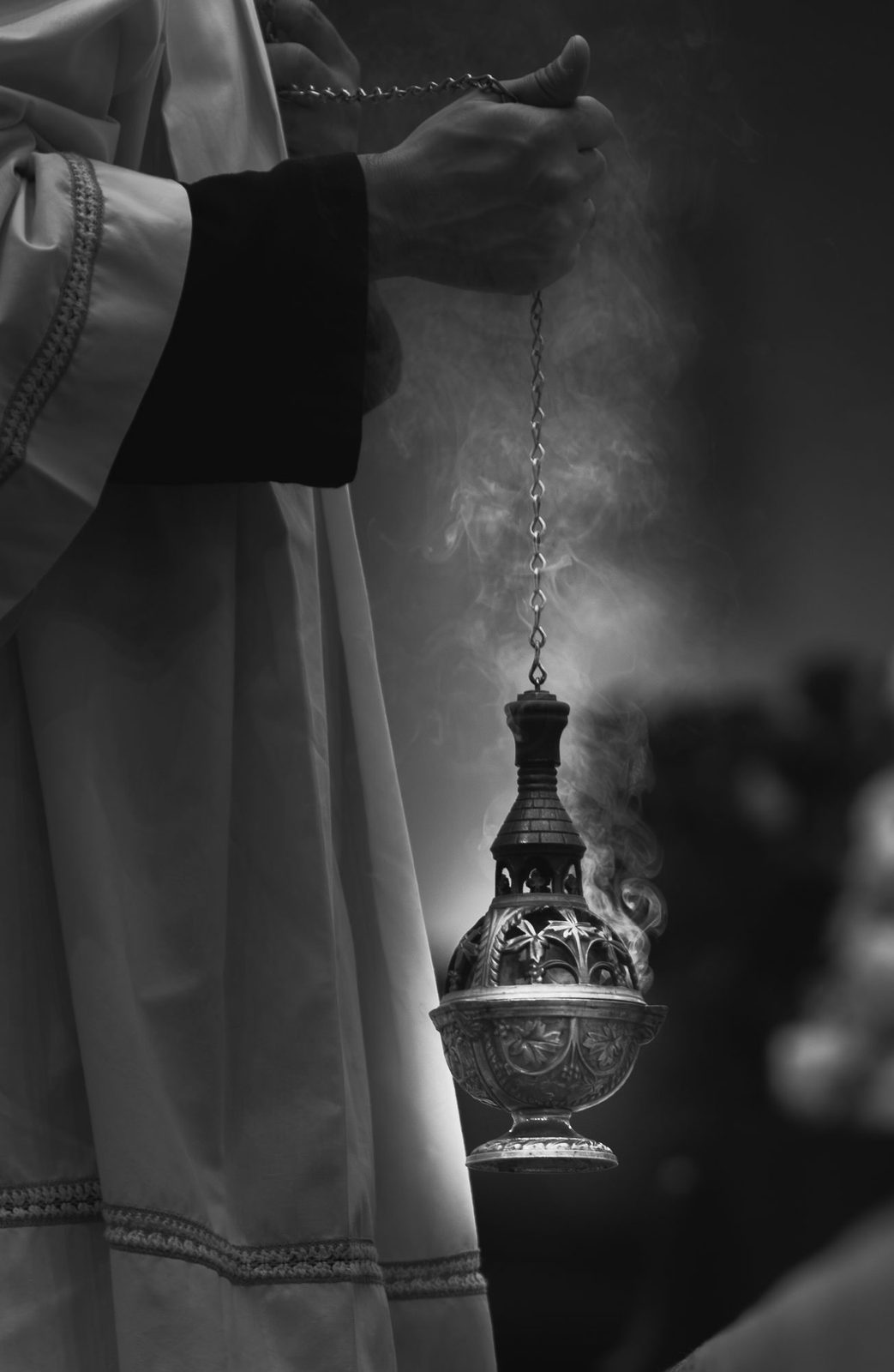
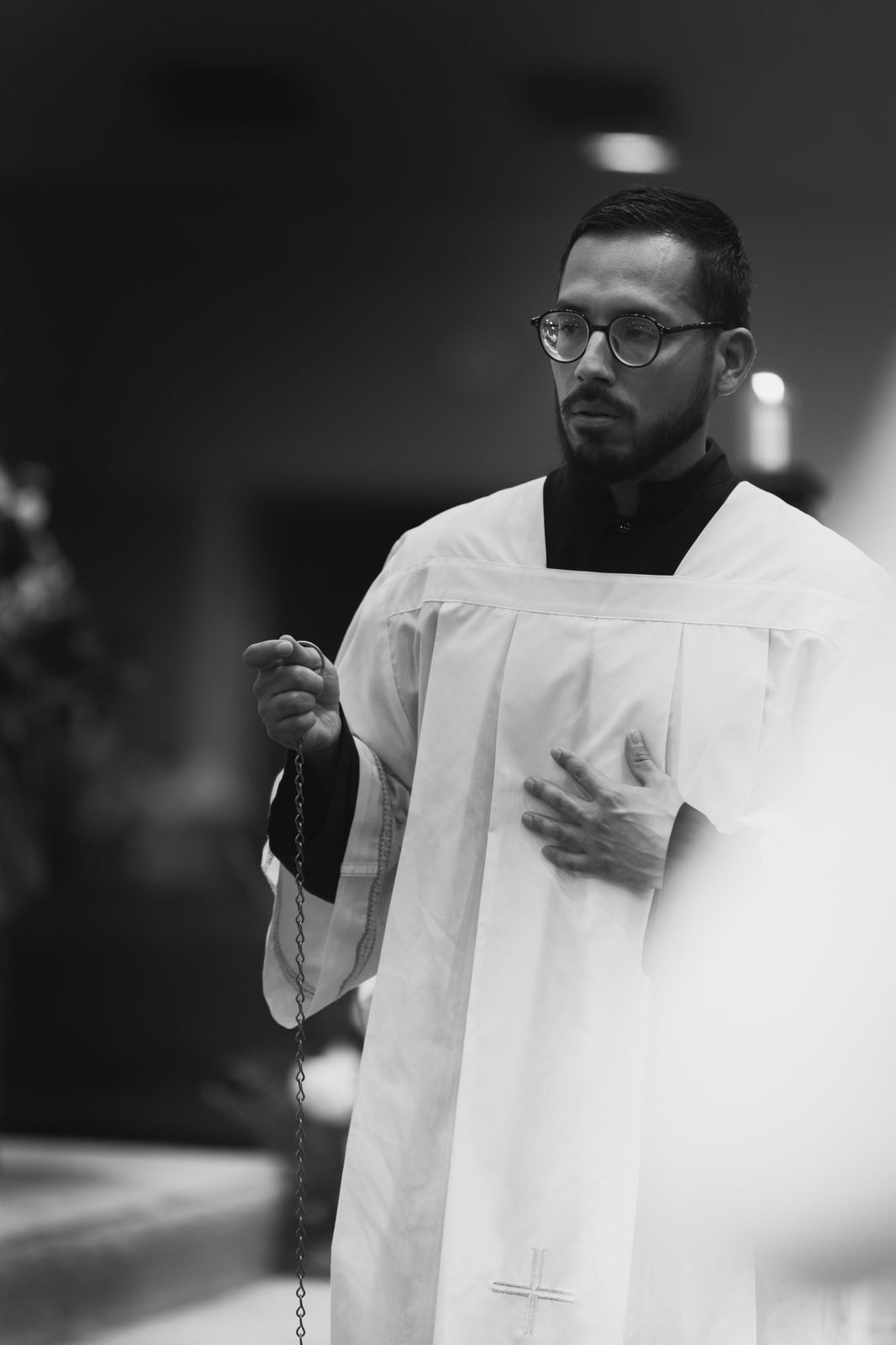
Formation doesn’t stay inside seminary walls. Every Sunday Alan is back at St. Charles, serving at the altar and in the parish’s ministries. This semester he gave himself a challenge.
“One of my goals is to sing the Psalm at my parish during the Mass,” he says, then admits, “And I’m not a singer. I don’t know how to sing.”
He’s doing it anyway. “It’s a good way to grow holistically, not only in one aspect of my formation, but as a whole person,” he says. One day a parish will look to him, as a father, to lead them in song.
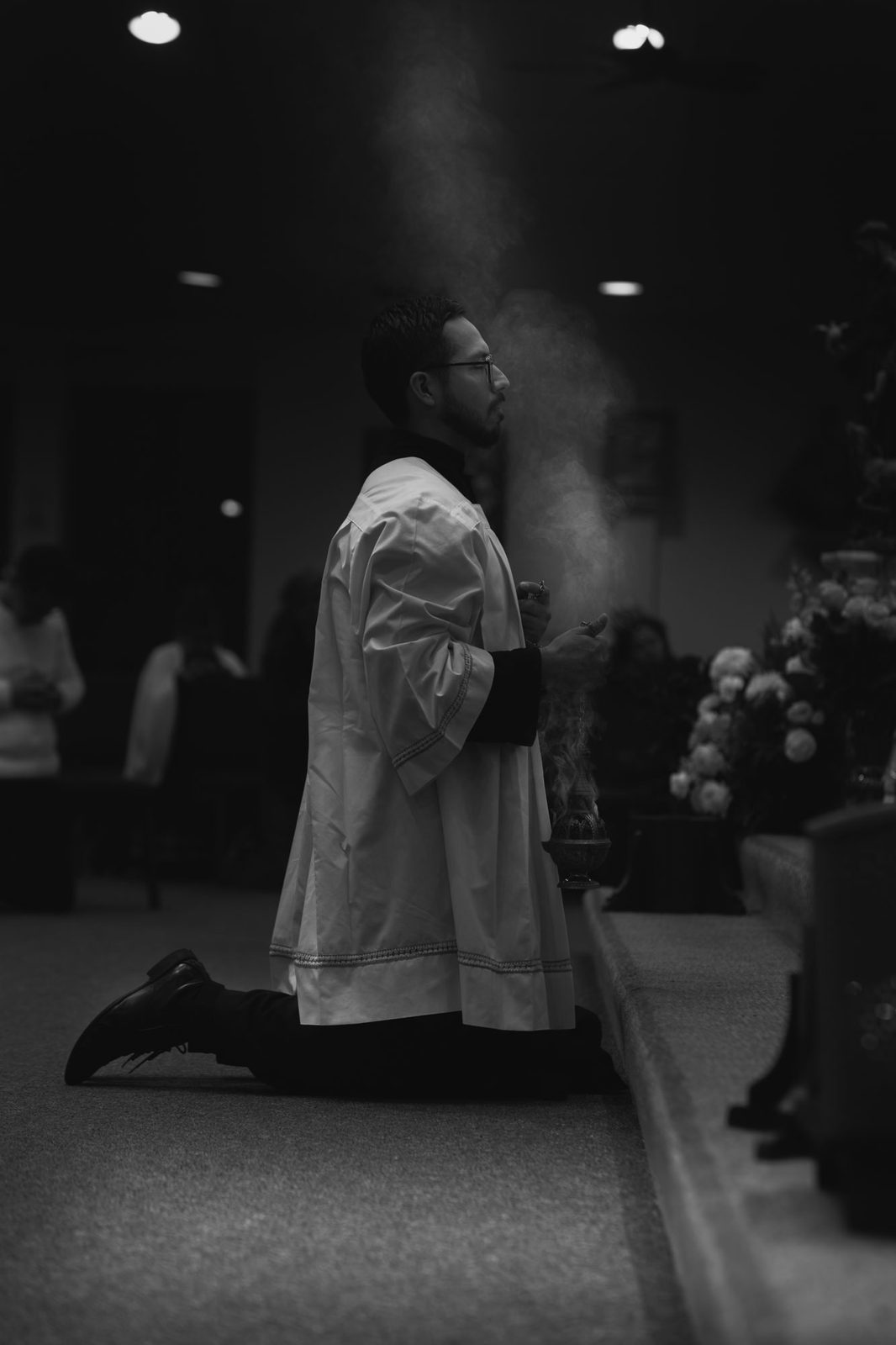
For a man who calls himself shy, it’s no small thing. “I would have never done that in my life before. I would never try to speak in public. Even though I’m still shy and a little bit afraid of doing certain things, I have that desire to do it, because that is what God is asking me to do.”
He’s honest that formation isn’t always glamorous. “Sometimes we might see it as, oh my gosh, it’s so boring, and this is so useless,” he admits. “But maybe not. Maybe it’s not. We have to take advantage of what we have here, and we need to be constantly reminded about that.”
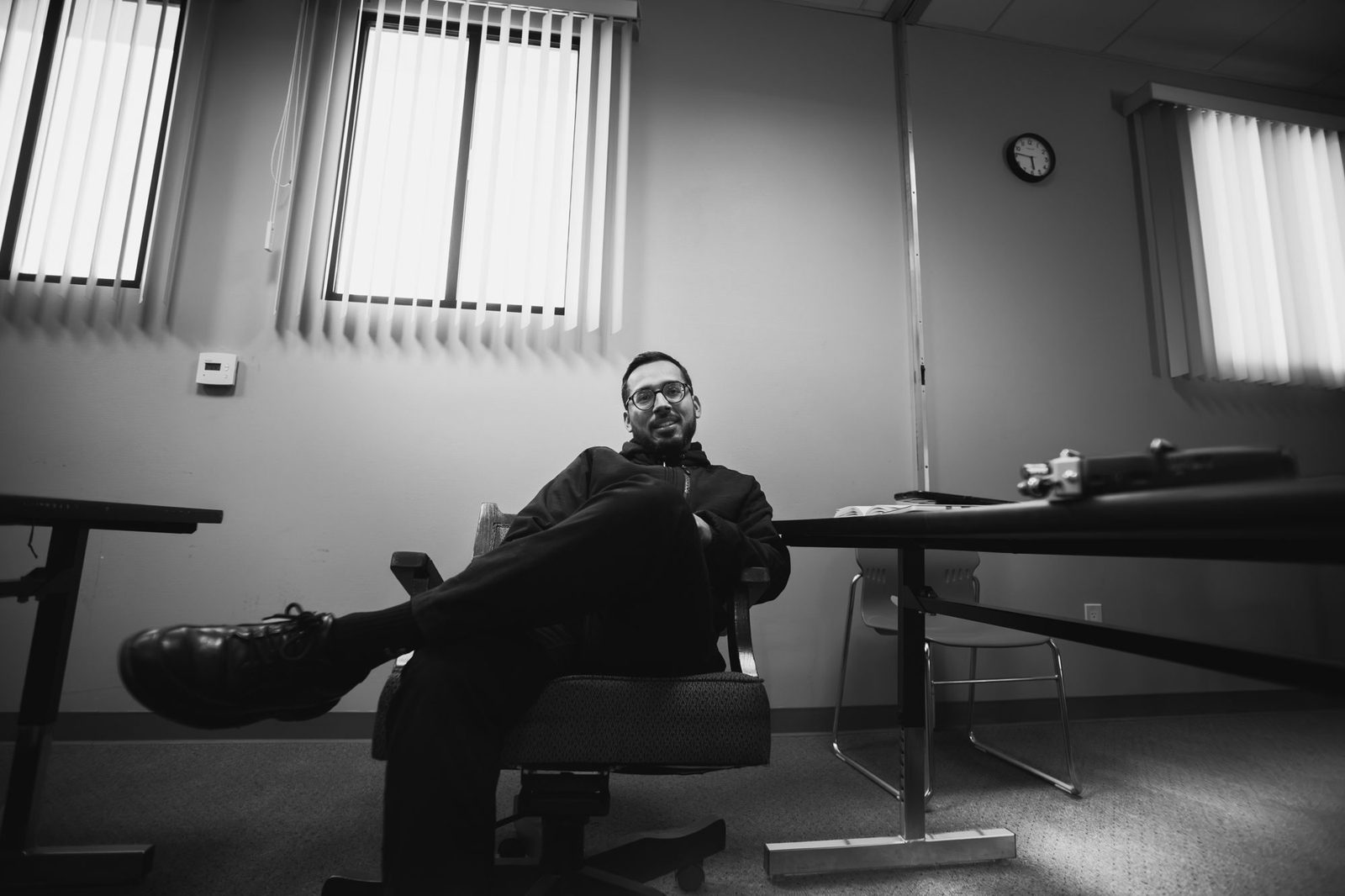
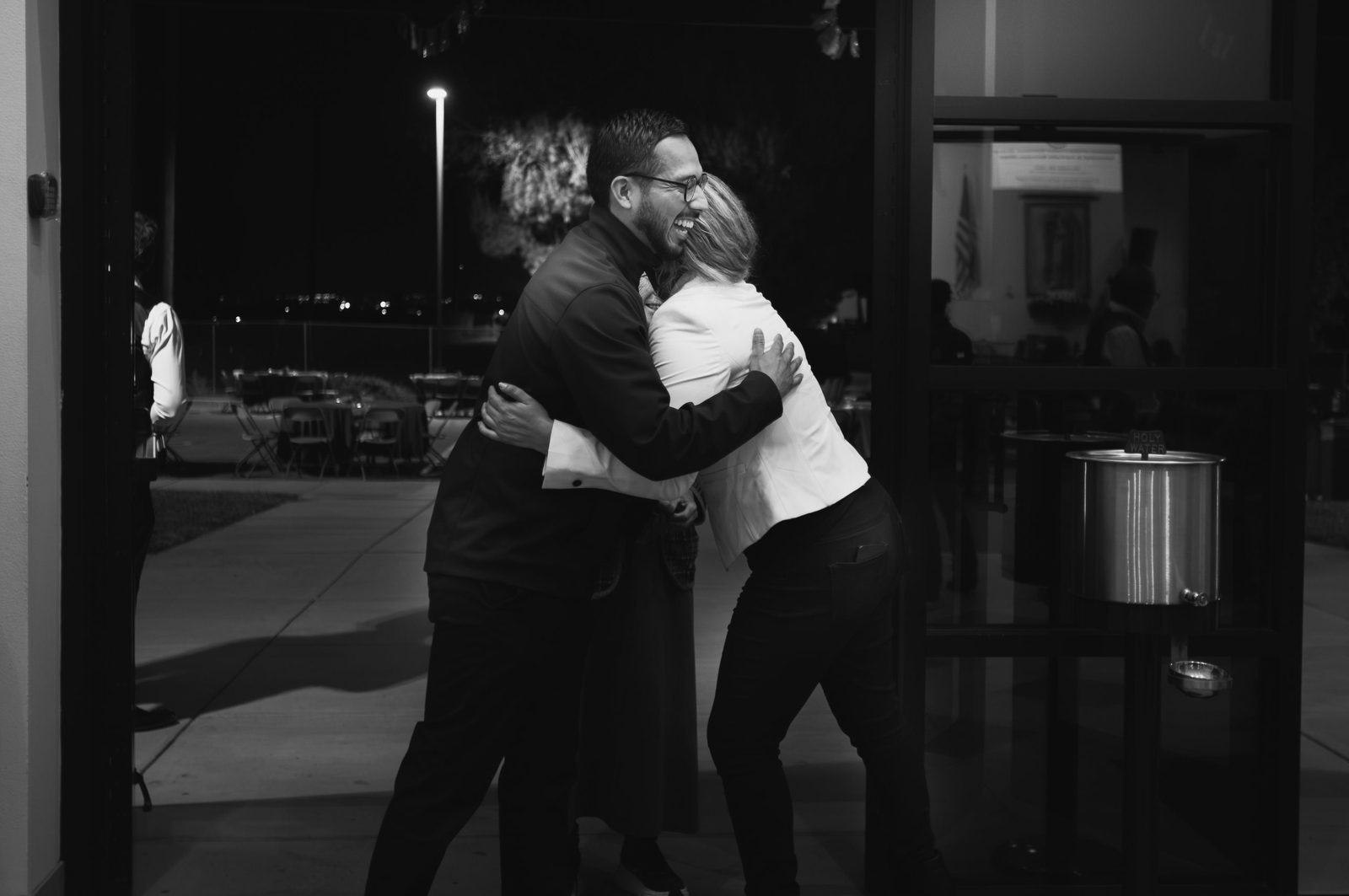
When we first sat down, he told me this: “I am so happy to be here. It has been a blessing to be part of this house.”
What he hopes to renew
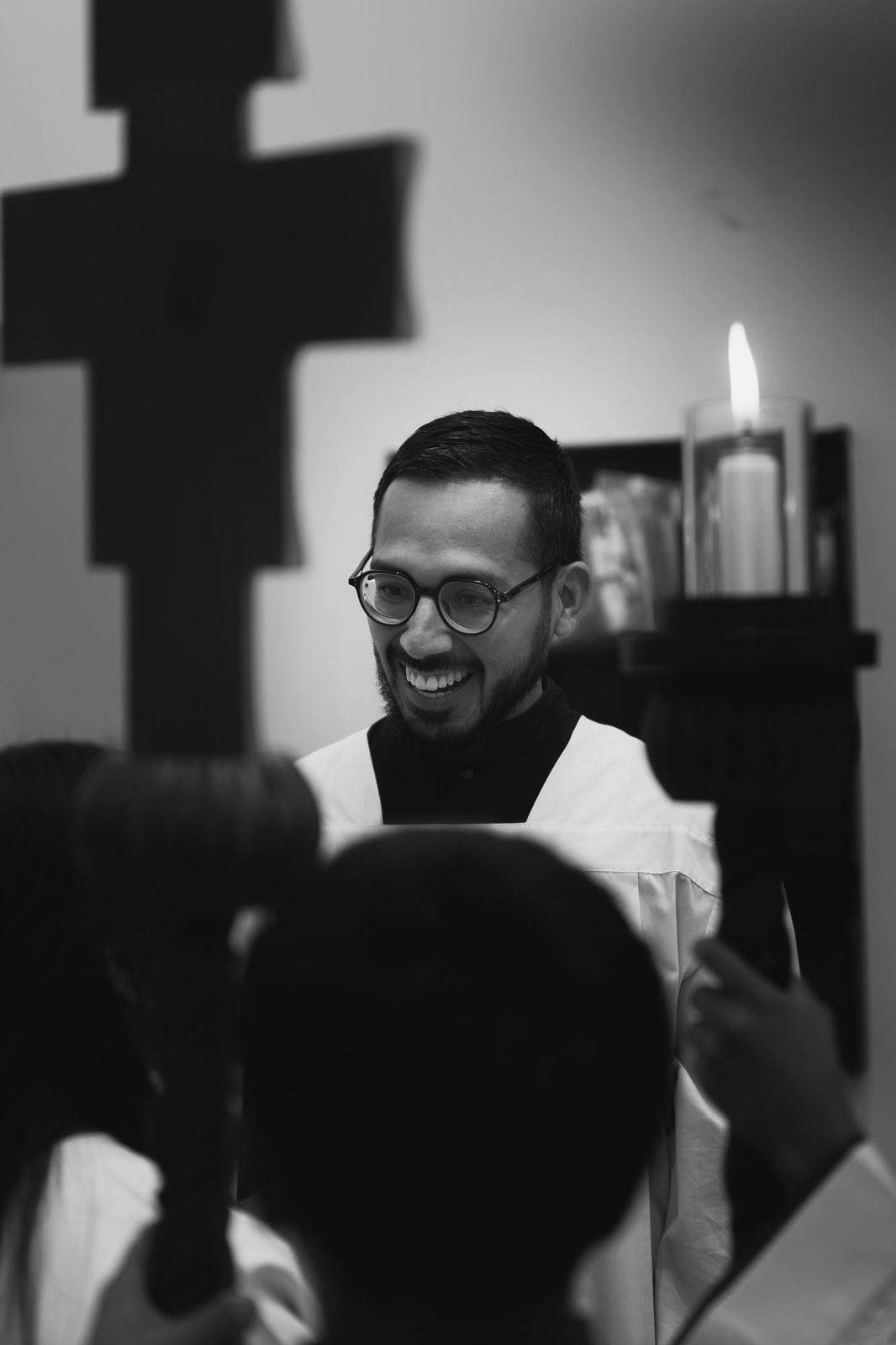
St. Charles saw what his Church needed. So I asked Alan what he hopes to bring back to the surface of the faith as a priest.
“That’s a really big one,” he said. Then he landed on young people.
“When I was growing up, I always had this idea that church was boring and faith was unnecessary. Like, why do we even do those things?” he says. “We see a lot of young people away from the Church, a lot of young people with no purpose in life, with no desire to live and do great things.”
He knows that place, because he lived there. “Before starting this journey with Christ, there was a sense of purposelessness, no direction in my life. You’re just going with the flow.”
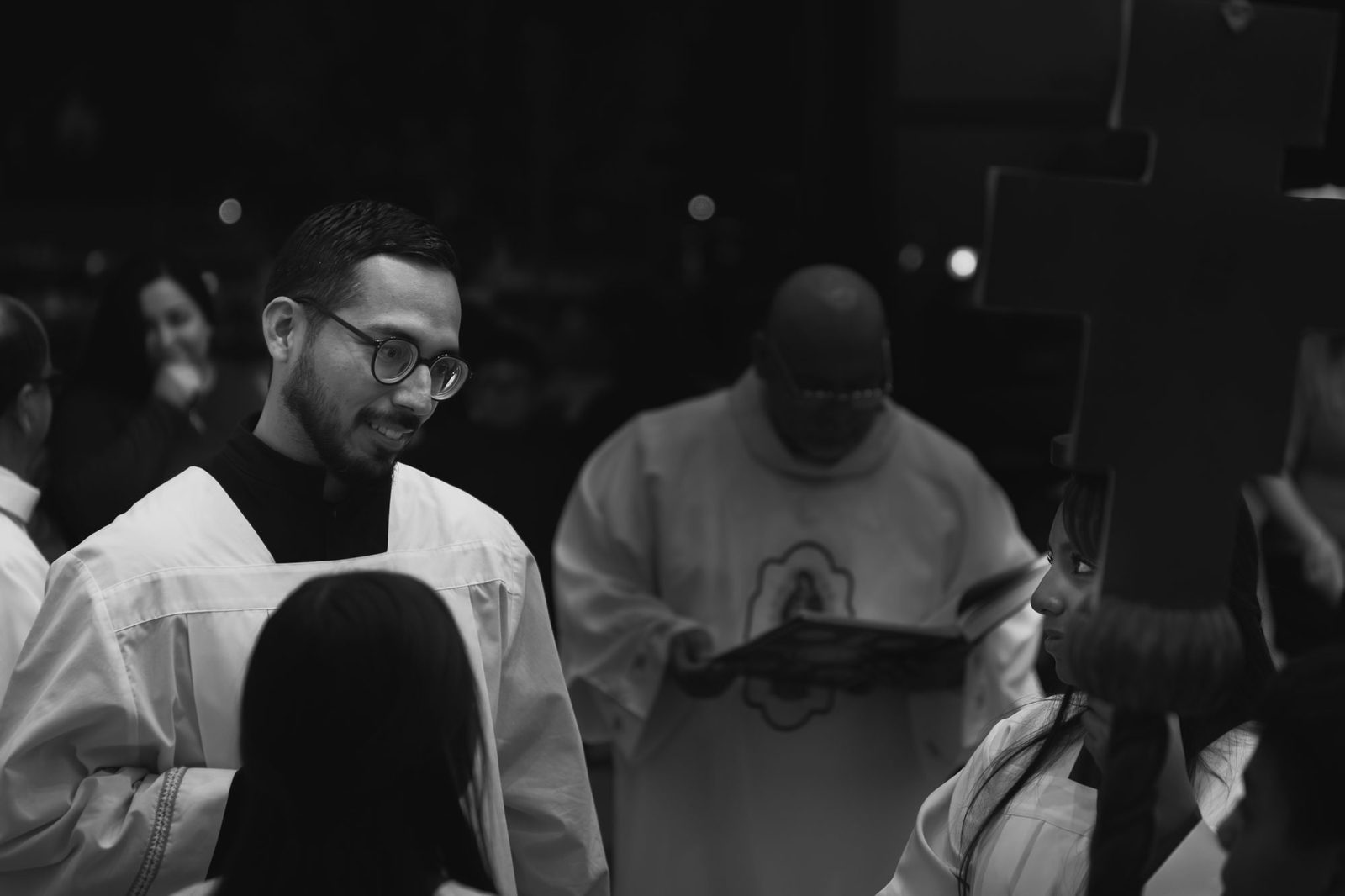
Now, he says, it’s different. “It’s not like I know exactly what’s gonna happen in the future, because no one knows. But I just have so much desire to live every day. When I wake up, I have desire to face the struggles and complexities of the day.”
That’s what he wants young people to find. “As Jesus says, ‘I came so that you may have life, and have it abundantly.’ A lot of the times, as young people, we miss that life in abundance because we’re not close to Christ.”
The people who pray for him
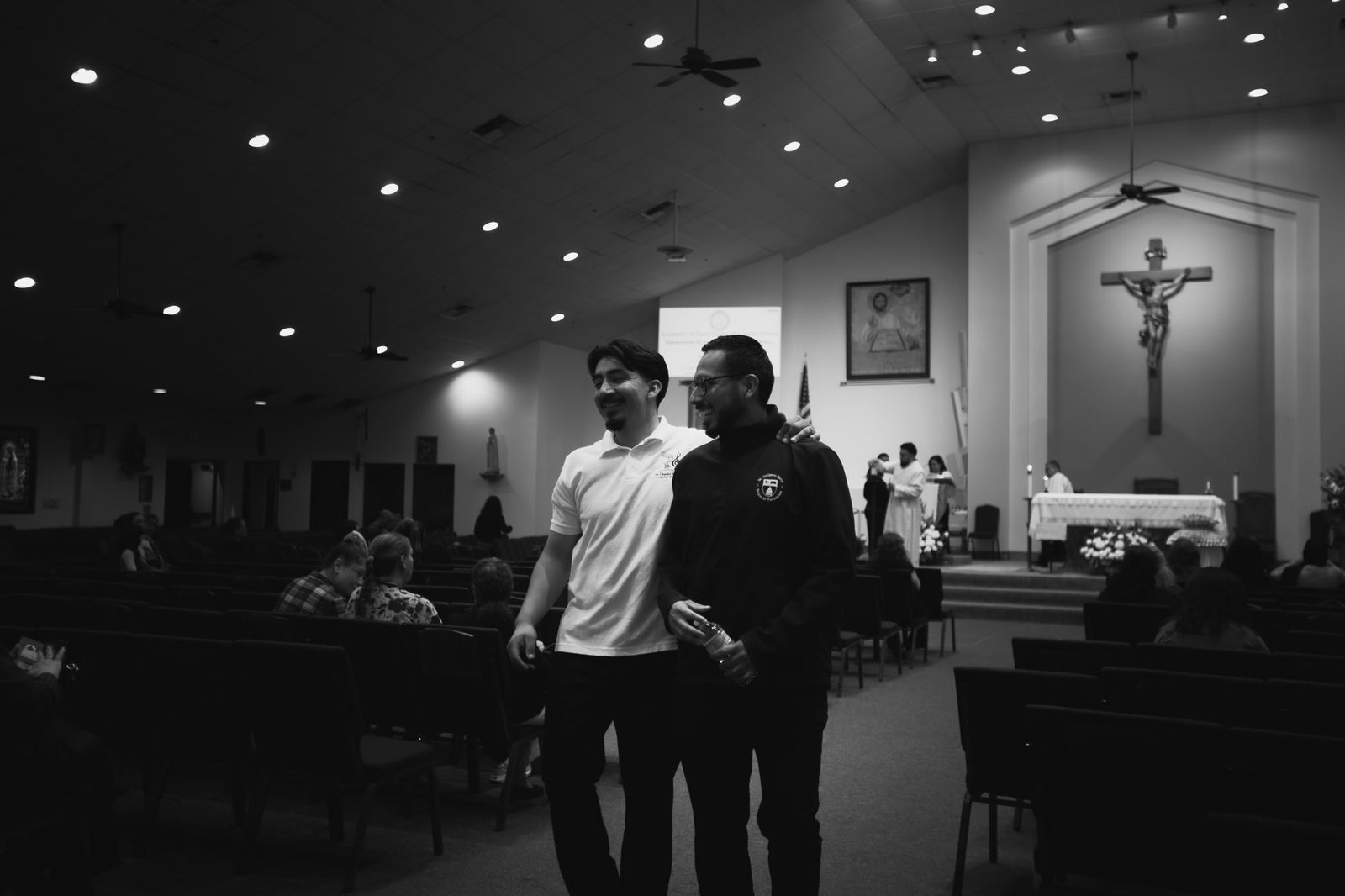
Isaac Zuniga started coming to St. Charles about four years ago. One of the first people he met there was Alan.
“A big memory from Alan at the parish is when I met him for the first time,” Isaac says. “His security in his person, and then his security in reminding me who I was in the eyes of God. It helped me to feel more at home when I first started coming to St. Charles.”
That’s what a spiritual father does. Before Alan has heard a single confession or celebrated a single Mass, he helped a newcomer see himself as God sees him.
Isaac knows what kind of man he’s watching become a priest. “A man who is fighting himself within God, someone who tries his best to mimic the lives of the saints, and someone who is figuring out his vocation,” he says. “He’s discerning the way that everyone should be. All in.”
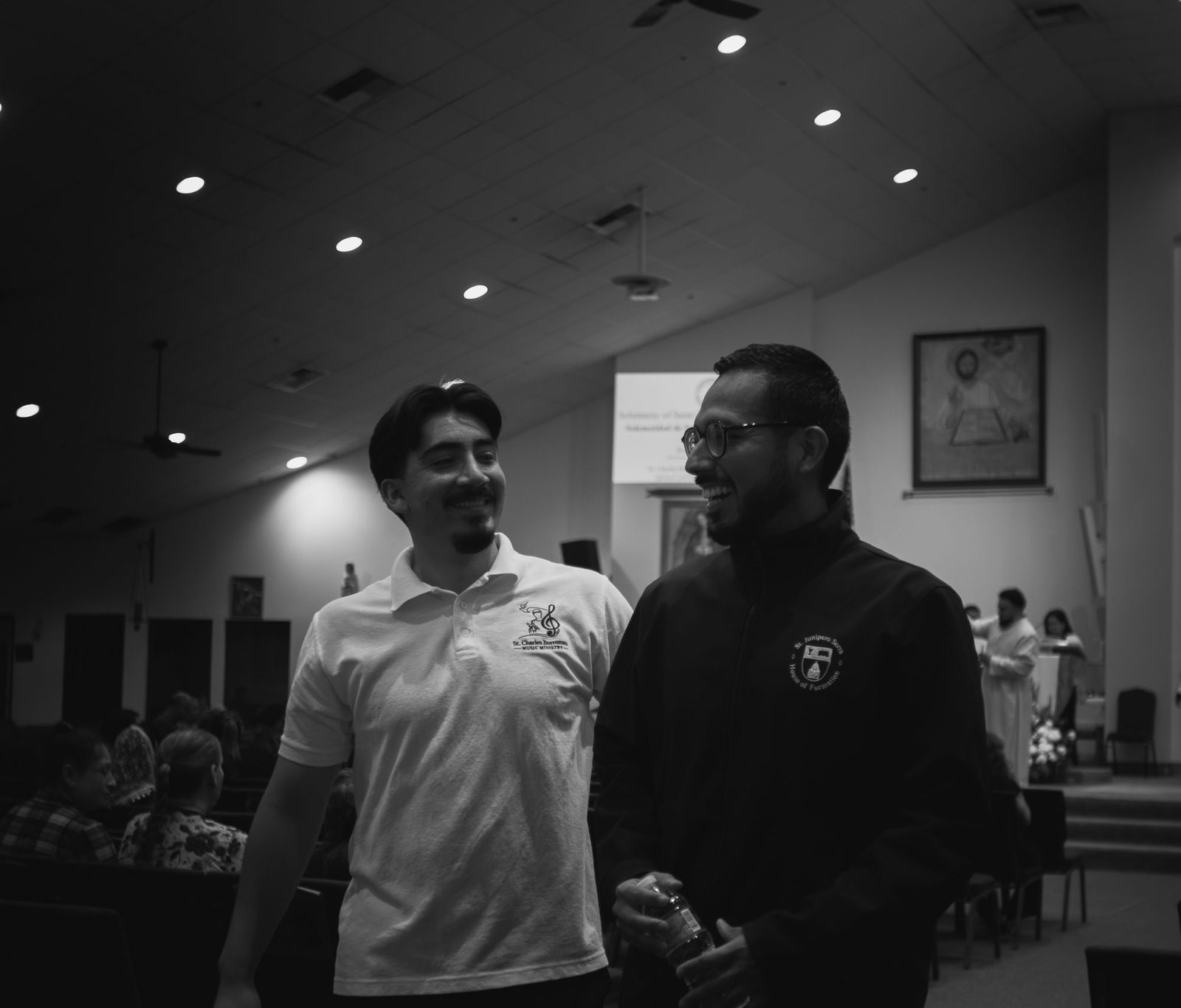
And he’s proud of him. “Knowing that he’s now in the seminary gives me a sense of pride. I’m proud of Alan, and I’m proud that he’s representing St. Charles. And I am confident that wherever he goes, he’s always going to show his best.”
For Isaac, a seminarian from the parish doesn’t just make people proud. He challenges them, too.
“You can tell Alan is one of our jewels here at St. Charles,” he says. “Having him here definitely adds a little bit of pressure, healthy pressure, to keep on fighting the good fight.”
“I hope that more people from St. Charles come out and join the seminary and discern. And truly discern.” — Isaac Zuniga
Pure fuel
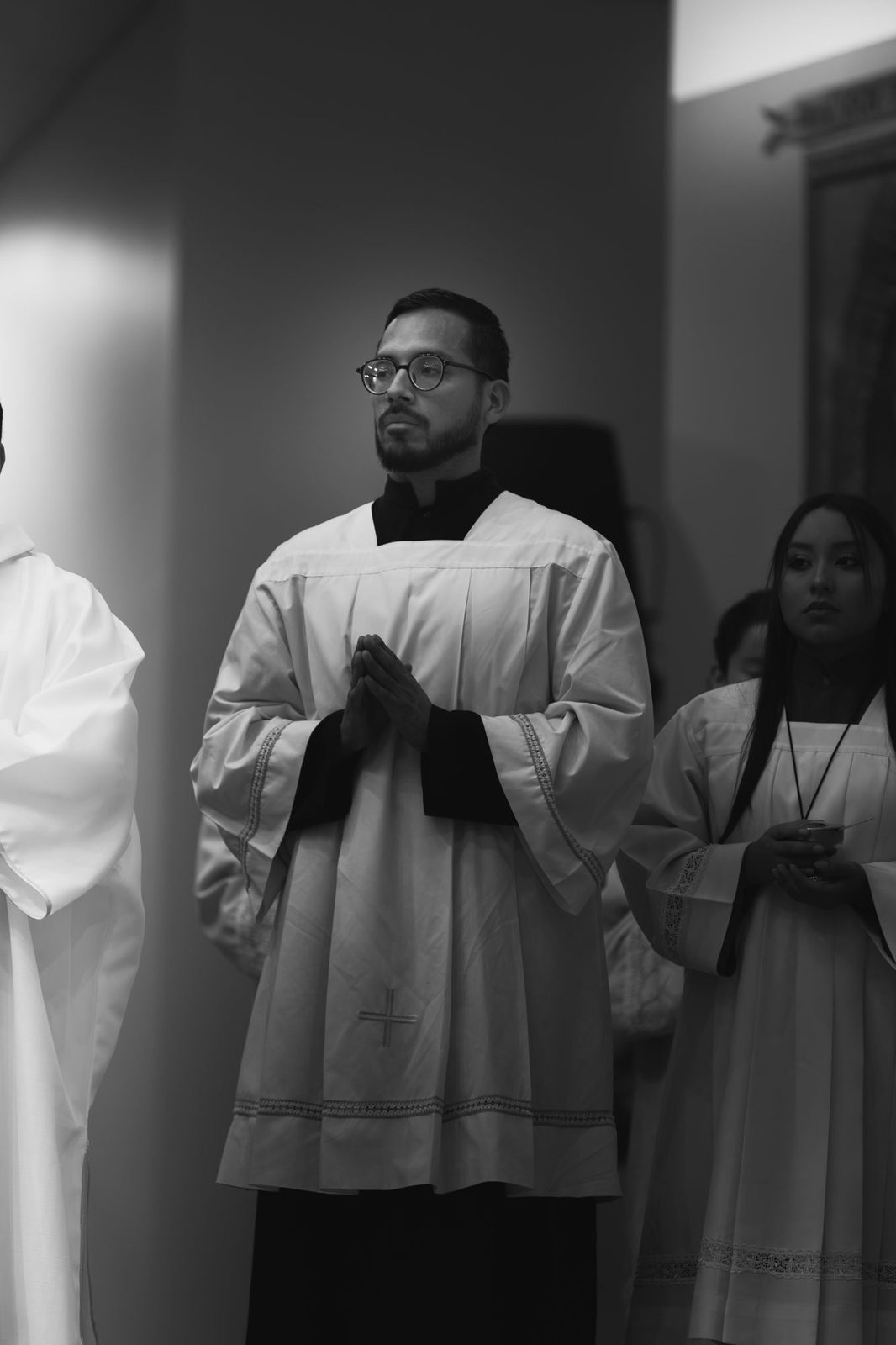
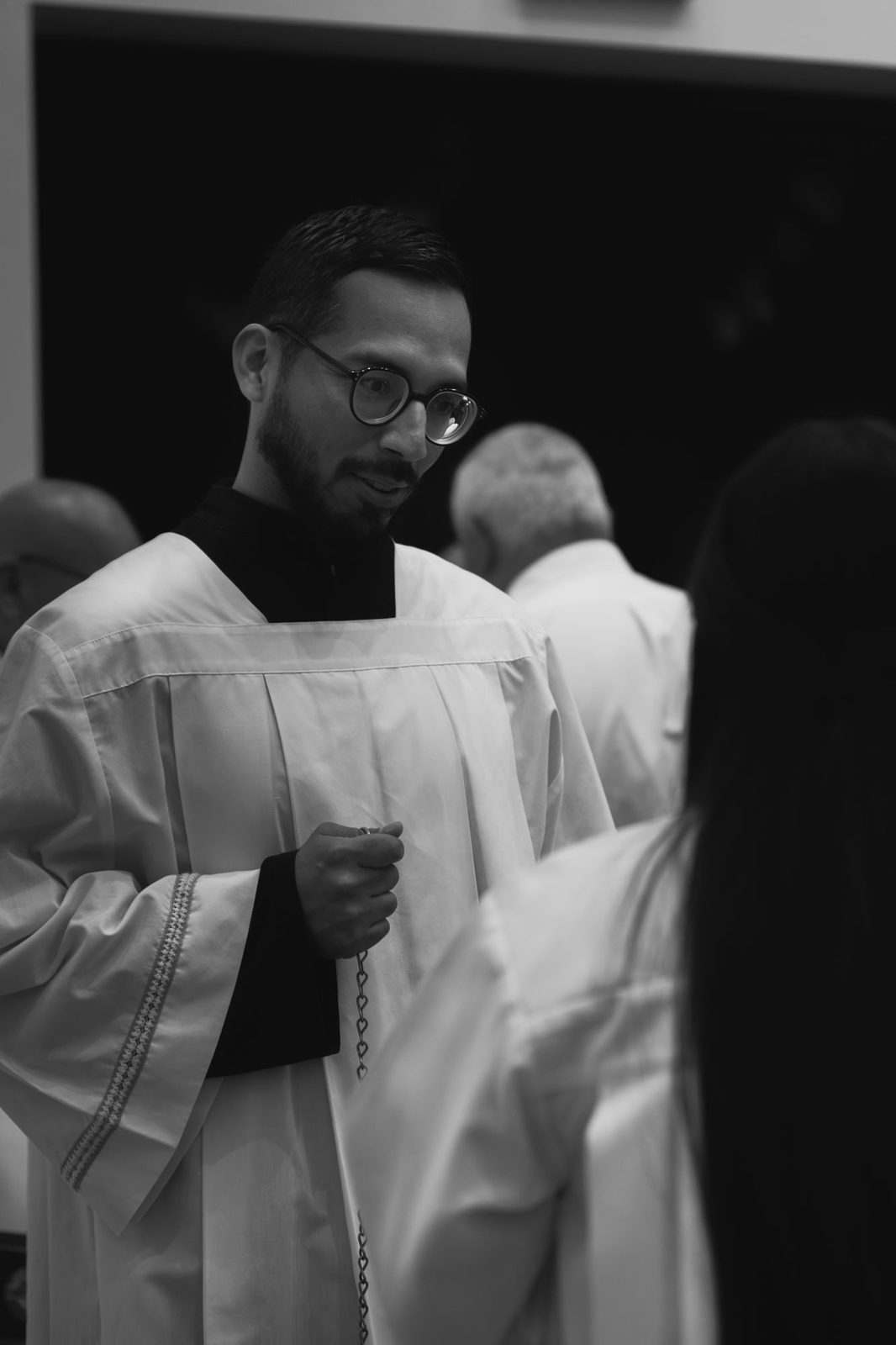
Every Sunday, the people of St. Charles know who he is. They pray for him. They ask what he needs. And they tell him, in a hundred small ways, that they’re waiting for the day he becomes their priest.
“I can see the hope of the community when they talk to me,” Alan says. “They just express that joy and that hope of wanting me to become a priest. And that is like pure fuel for my vocation.”
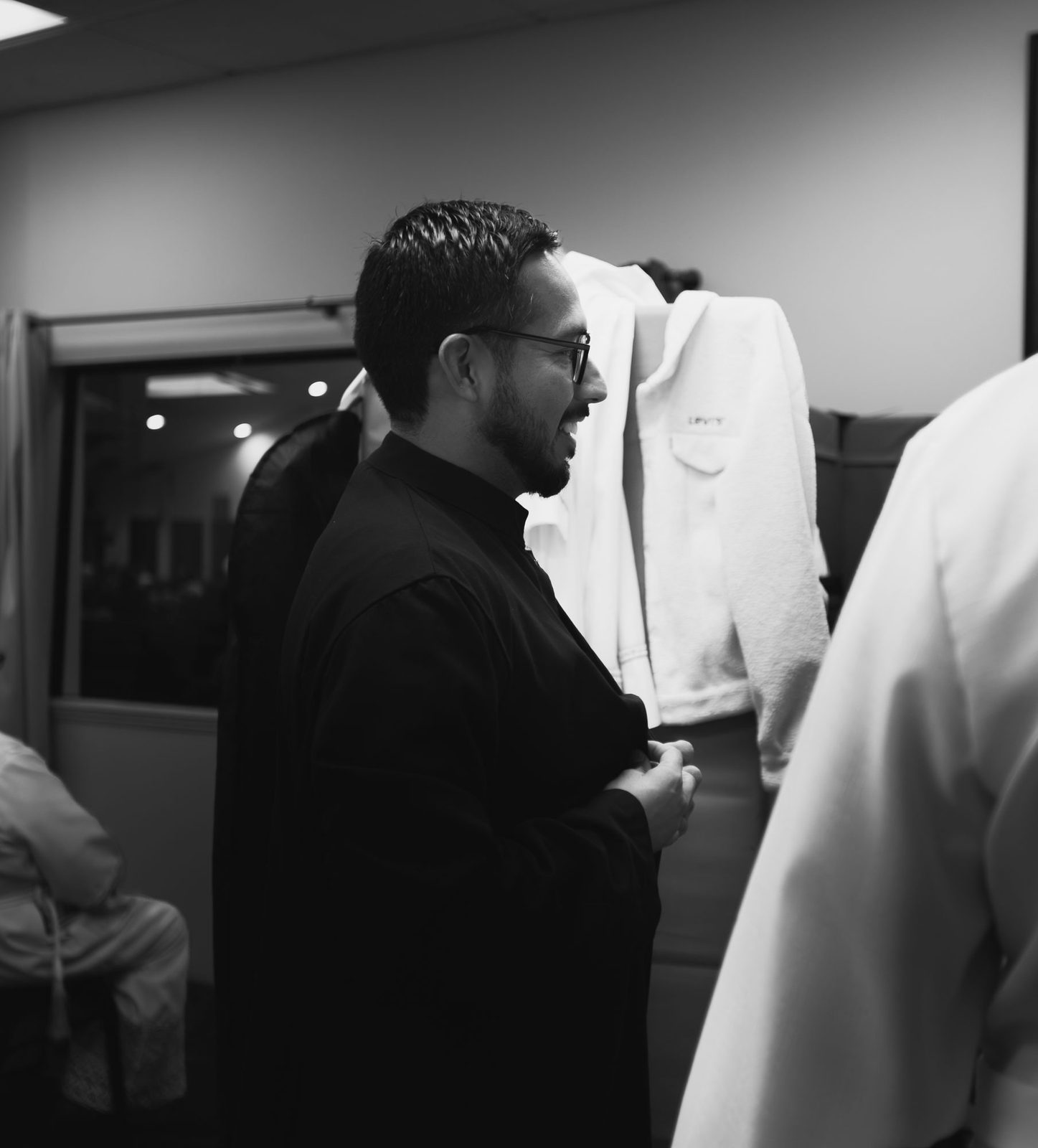
He knows his formation isn’t only for himself. “My time here at the seminary is for them as well. Because eventually I won’t be here forever. I’ll be assigned at a parish, not only for the people of St. Charles Borromeo, but for the whole diocese, and I’m gonna have to serve them.”
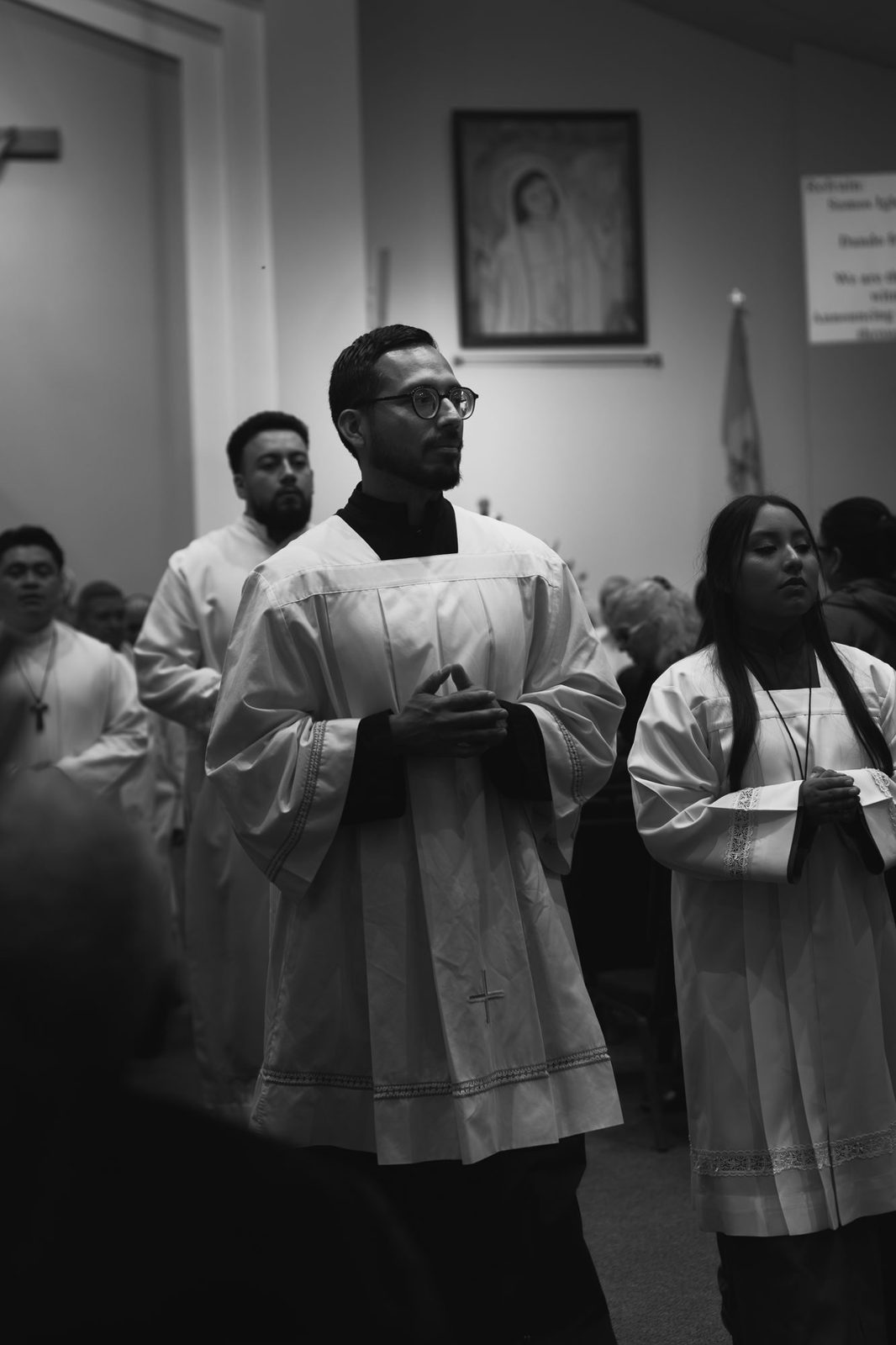
The discipline of growing close to God isn’t reserved for the men in formation. It’s the same road for all of us, husbands and fathers included. But these men walk it so they can carry the rest of us, in the confessional, at the altar, and at the bedside. We ask a great deal of our priests. Alan hopes we’ll also let them be human.
“That’s why we have to let the people know who we are,” he says.
So this is who he is: a man who once sat in a small chapel as a boy, who still dreams of being a father, and who is learning to sing. Every morning he chooses again to give his whole life to God and to the people he’ll one day serve.
Every day, yes.
St. Charles Borromeo, patron of seminarians, pray for Alan and for all the men in formation in our diocese. During National Vocation Awareness Week, November 1–7, please pray for vocations to the priesthood and religious life. Discerning a call? Contact the Diocese of San Bernardino Office of Vocations: (909) 783-1305 · vocations@sbdiocese.org · sbdcatholics.org. Alan Guerrero is a seminarian of the Diocese of San Bernardino from St. Charles Borromeo in Bloomington. Words and photographs by Joe Bedard.