
Walk alongside someone you love.
Your son or daughter may be exploring a vocation, and you may have questions of your own. Listening, praying and learning together can help.
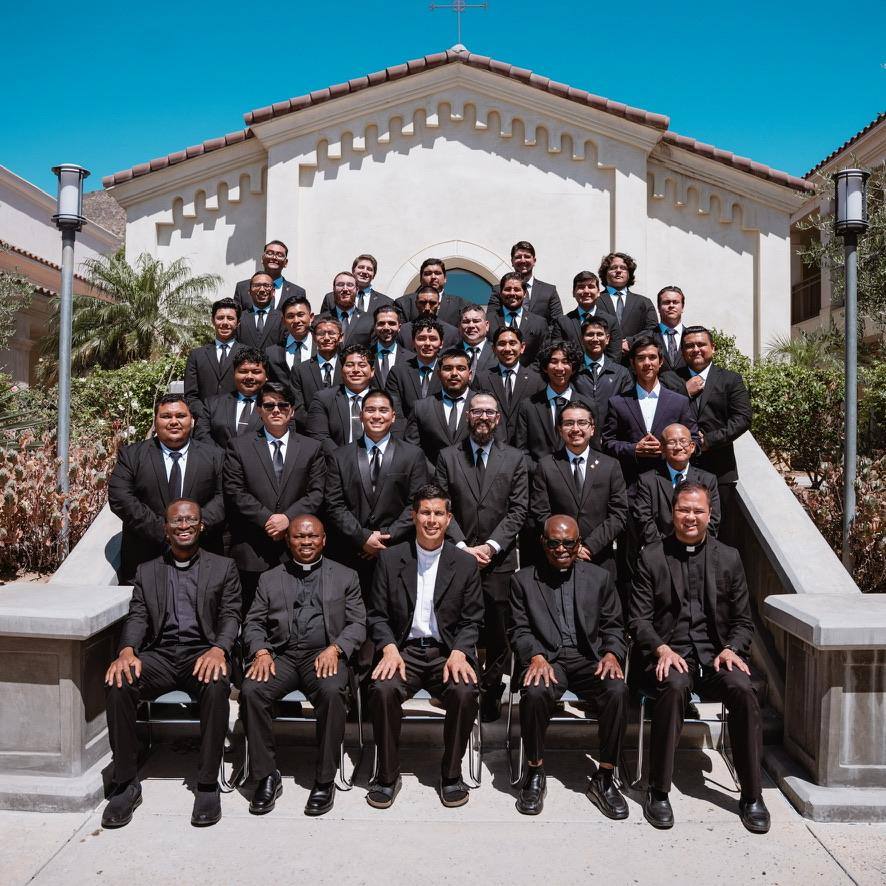
Listen. Pray. Learn together.
How should I respond when my child mentions a vocation?
Begin by listening. Ask what has drawn their interest and what questions they are carrying. Thank them for sharing. Give them room to explore without steering them toward a particular answer.
Does contacting the Vocations Office mean making a commitment?
Asking questions is part of discernment. An initial conversation helps someone learn more. Before taking any formal step, ask what it involves and what commitments, if any, it requires.
What if my child is uncertain or changes direction?
Discernment includes exploring questions honestly. Recognizing a different path can be a meaningful part of that process. Keep the conversation open and avoid setting a deadline for certainty.
What if I have concerns about celibacy, family relationships or well-being?
Bring those questions into a respectful conversation. Ask people living the vocation about its joys, responsibilities, challenges and sources of support. Your concerns deserve thoughtful attention.
How do diocesan priesthood and religious life differ?
A diocesan priest serves a local Church in communion with its bishop. Religious priests, brothers and sisters belong to communities with particular spiritual traditions and missions. Meeting people from each can make these differences clearer.
Where can we ask about education, formation, costs or visits?
Contact the Vocations Office or the religious community being considered. Ask for current information about the particular path, including formation, practical arrangements and opportunities to visit.