
Not Alone Anymore
Words and photographs by Joe Bedard
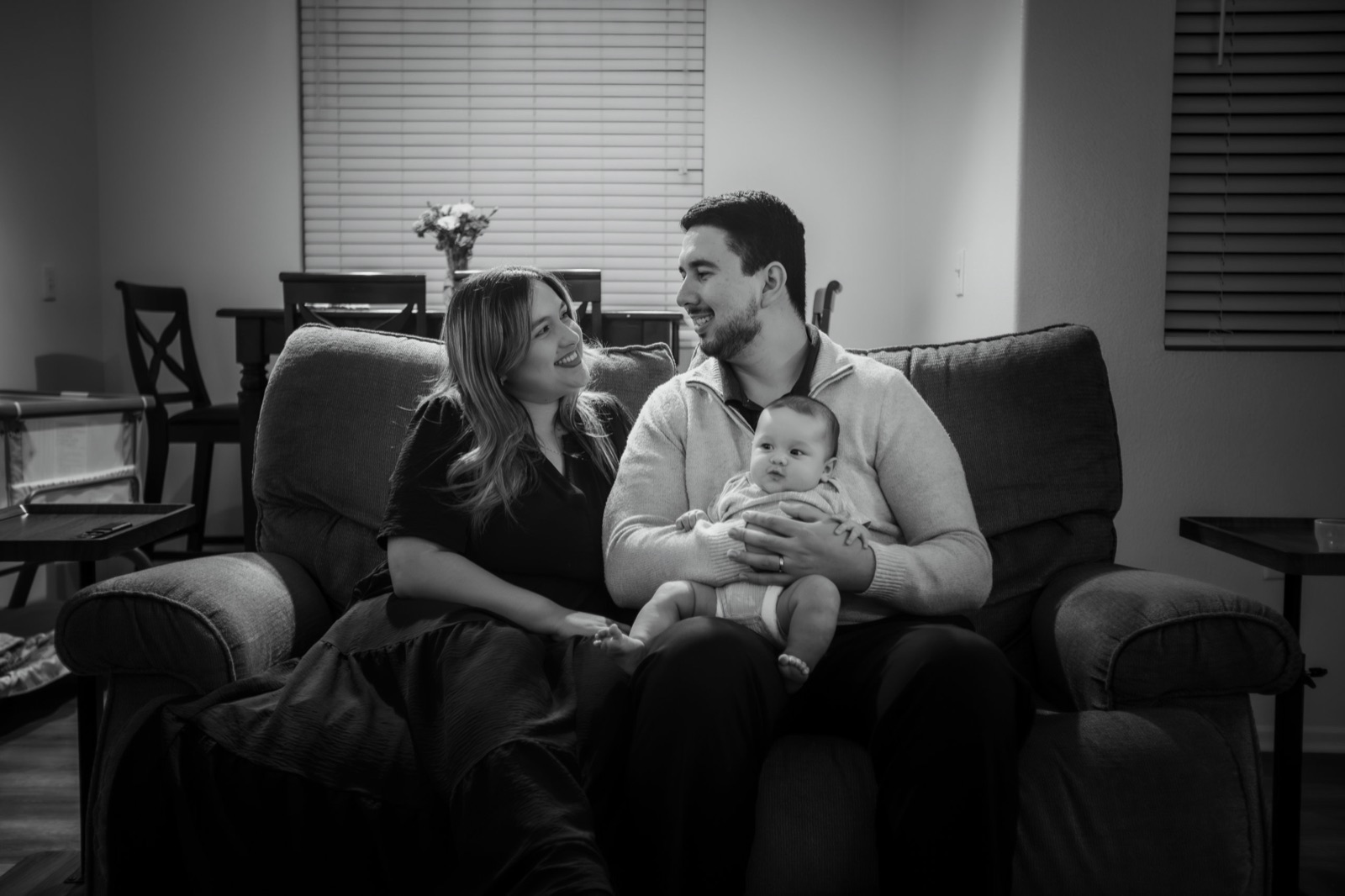
A year into marriage and a few months into parenthood, Mirna and Scotty talk about the fears they carried to the altar, the wounds they are still healing, and the God who kept answering them.
The living room
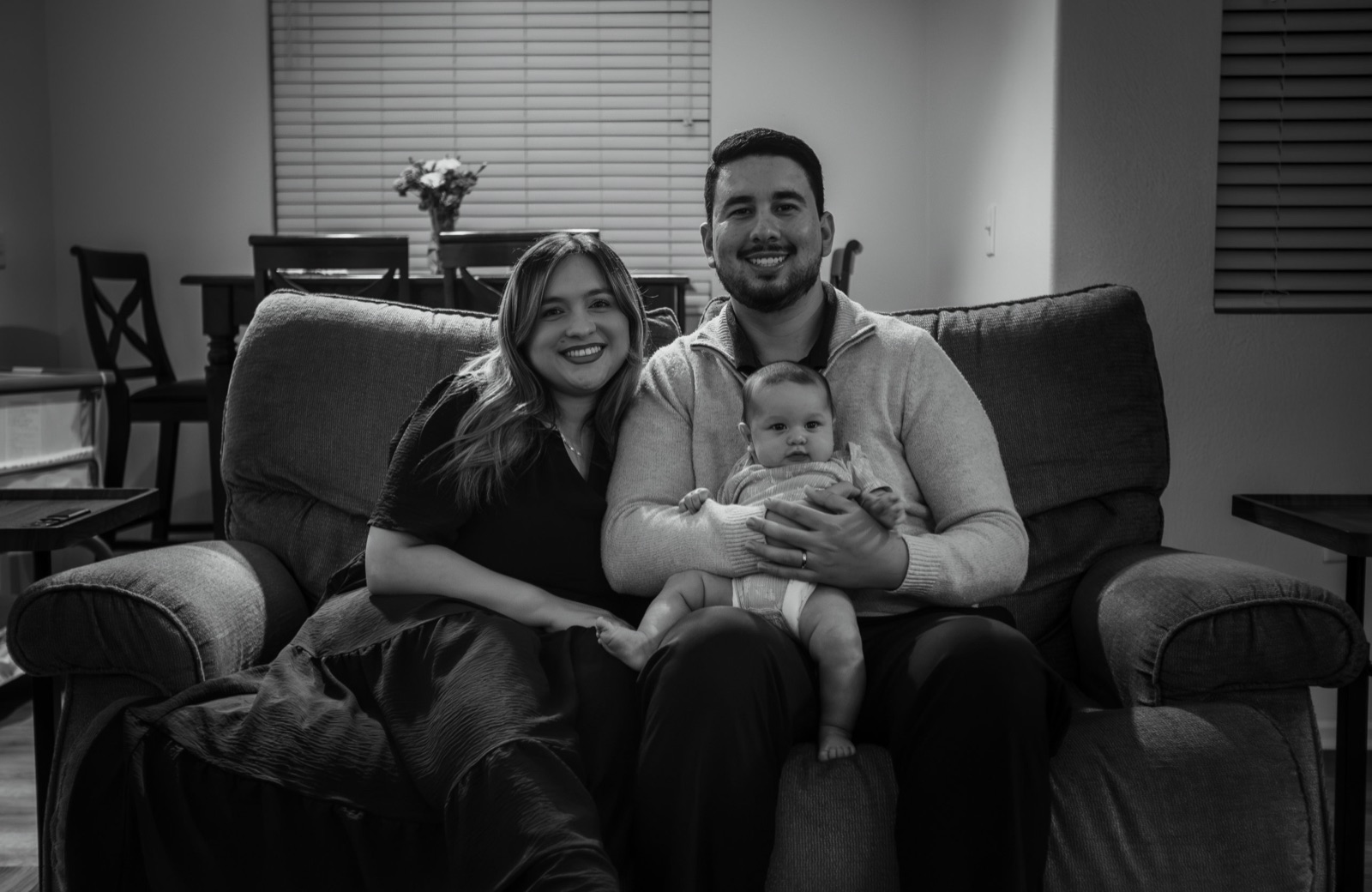
Their daughter has just eaten. She fusses for a moment, then begins to drift off, and her parents keep talking. This is their life now: a husband, a wife and a baby on one living room couch, and the questions most couples never say out loud.
Mirna and Scotty Van Horn met in 2024 and married on Oct. 24, 2025, at Our Lady of the Lake in Lake Arrowhead. They were expecting almost right away. When their daughter came, both were on leave for three months, home together and, as Scotty put it, “full on taking care of our baby.”
Ask them what marriage is, and neither starts with romance. Mirna answers first. Marriage, she said, is “choosing to love that person every single day,” remembering the vows “through the good, through the bad,” and keeping God at the center. Then she adds something less expected. Marriage “has taught me to have grace with myself.”
Scotty talks about a covenant: two people on a journey for the rest of their lives, each trying to help the other reach heaven. Then he says the thing that gave this story its name.
“It’s really nice that I’m not on this journey alone anymore.” — Scotty
The first year
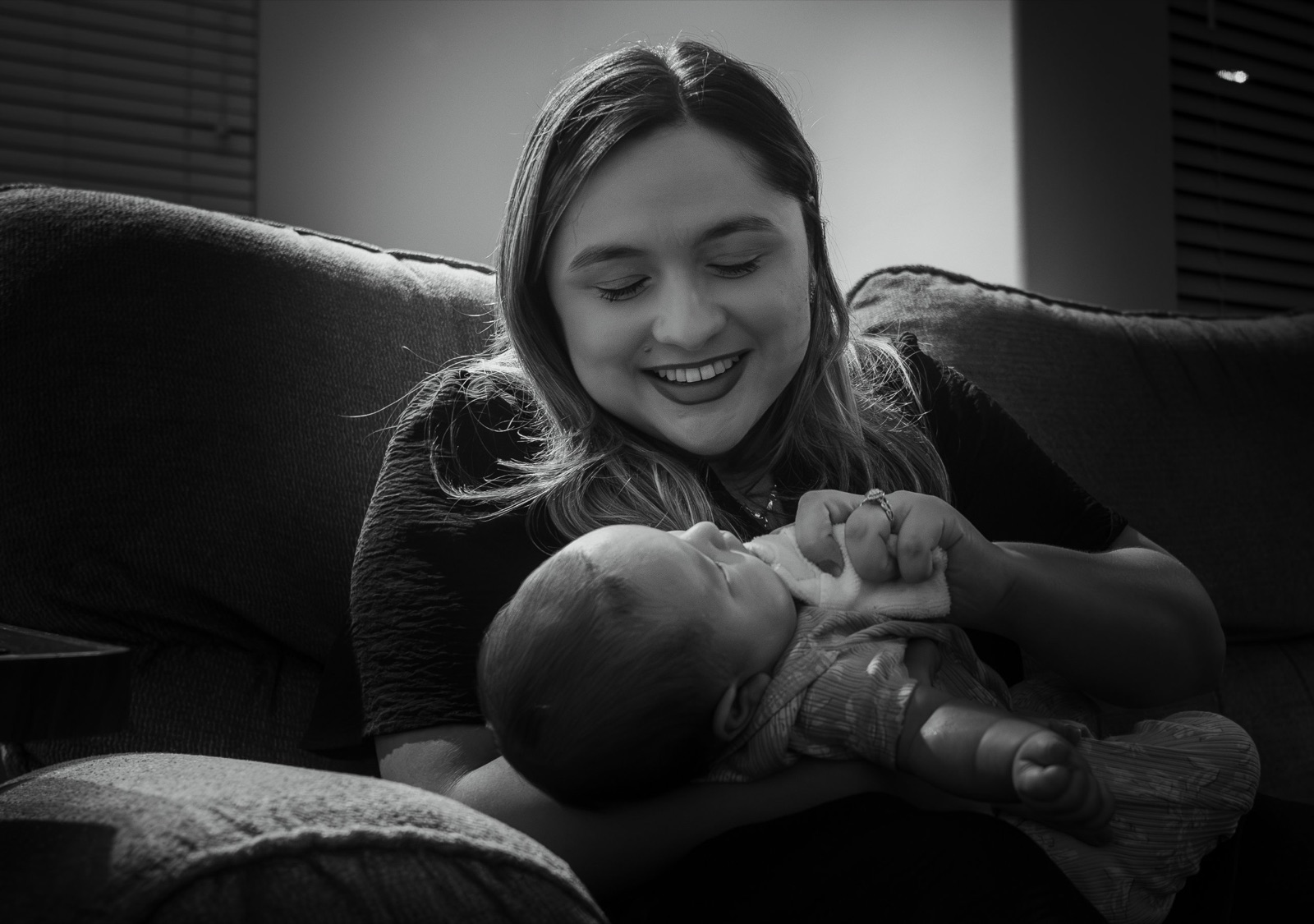
The first year of marriage is often sold as a honeymoon. Theirs came with a pregnancy, and with it the hormones, the nausea and a husband who could not fix any of it.
For Mirna, the hardest part was the fear of not being understood. She knew she could be reactive. Some days, she said, the hormones took over and she cried over spilled soda. Underneath it was an older question.
“Can I fully be myself? And even if I am a reactive person like that, will he still love me?” — Mirna
She found out that he did. “You’re showing me that a man can be patient and understanding,” she said, “and not make me feel bad for maybe being a little bit more on the emotional side.”
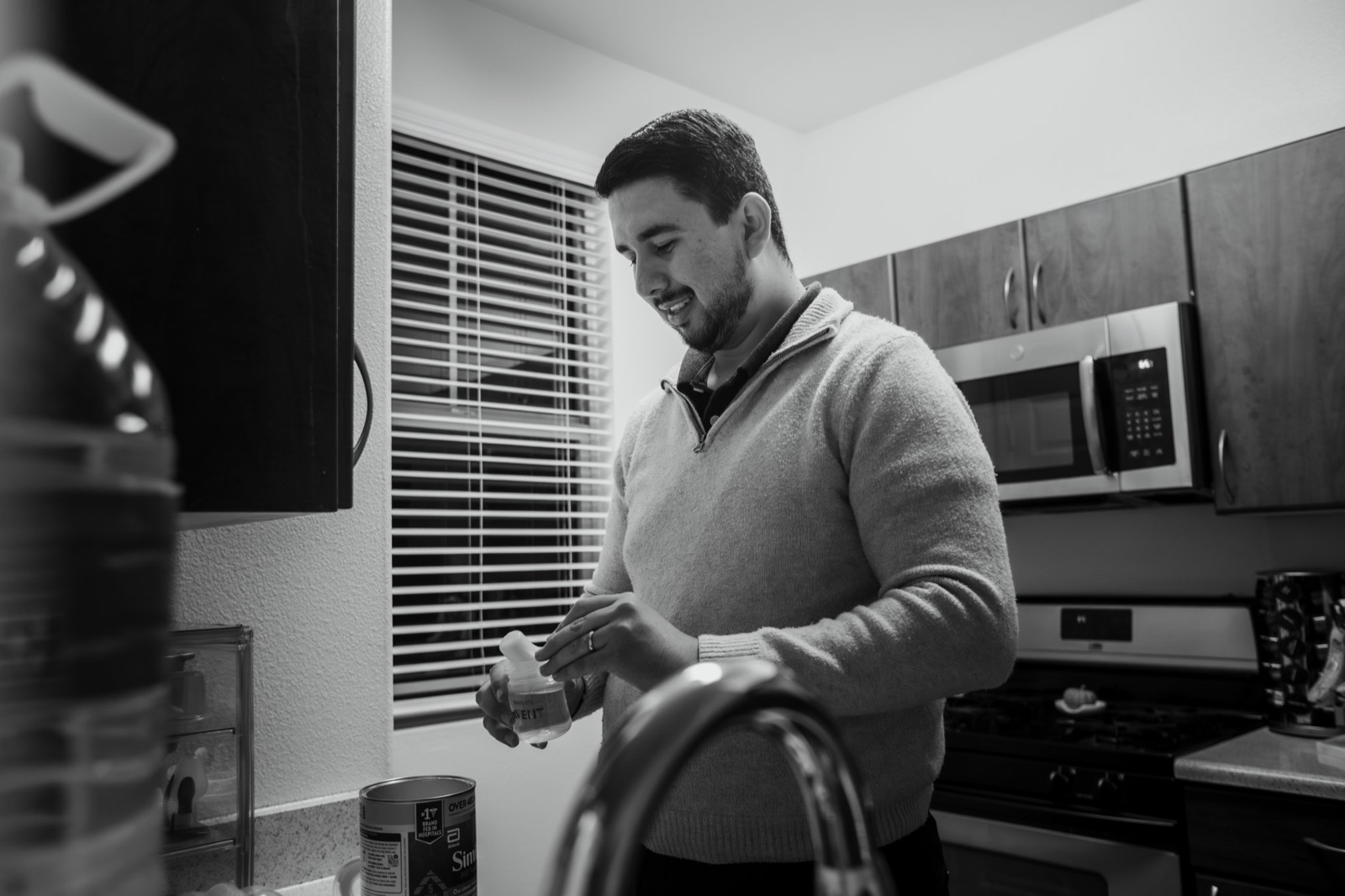
Scotty was fighting his own battle across the same kitchen. Before he married, he had pictured a husband who would go out of his way to serve his wife. Then she could not eat. Foods she used to love turned her stomach. He hunted for meals she could keep down and cooked dinners she would not touch.
“I’m like, man, now I gotta eat alone,” he said.
“I just wanted fast food,” Mirna said, laughing.
The frustration ran deeper than dinner.
“Am I not being a good husband? Like, am I not doing enough?” — Scotty
What he learned was smaller and harder than any plan he had made. “Just because I can’t help her right now doesn’t mean I’m not being a good husband,” he said. “It just looked differently in that moment.” Learning to adapt to her needs as they came, instead of the way he always thought it would go, was “really humbling.”
Neither story is dramatic, and that is what makes them true. Most of marriage’s early tests are small and daily, and they are fought in kitchens.
A word people flinch at
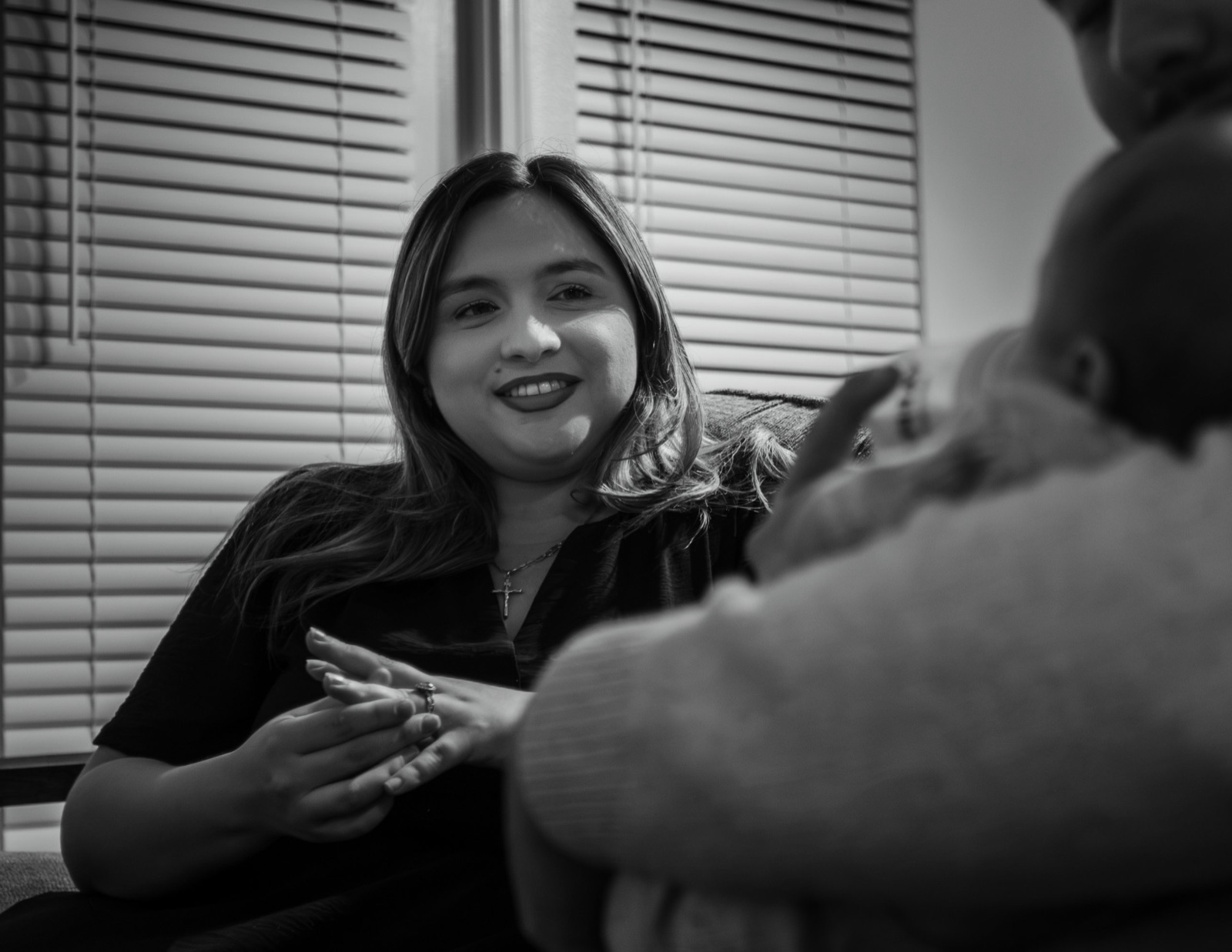
Mirna uses a word many readers will flinch at, and she knows it.
In their first year, she said, she leaned into “the submissive role.” It did not come from nowhere, and it did not come easily. “That was hard for me because I used to be a feminist, all independent.”
She has had to explain herself more than once. “It’s not about, ‘Oh, I’m your slave.’ Whatever you say goes, no,” she said. “The beauty of this relationship is that he lets me have a voice.” If she disagrees, they talk it through.
Part of it is her own history. She is the oldest child and the only girl in her family, and she spent years carrying everyone.
“As the oldest daughter and the only girl in my family, I’ve done everything.” — Mirna
“So I think in my marriage, I really love being able to take a step back and let him make the decisions,” she said. “Of course he consults me.”
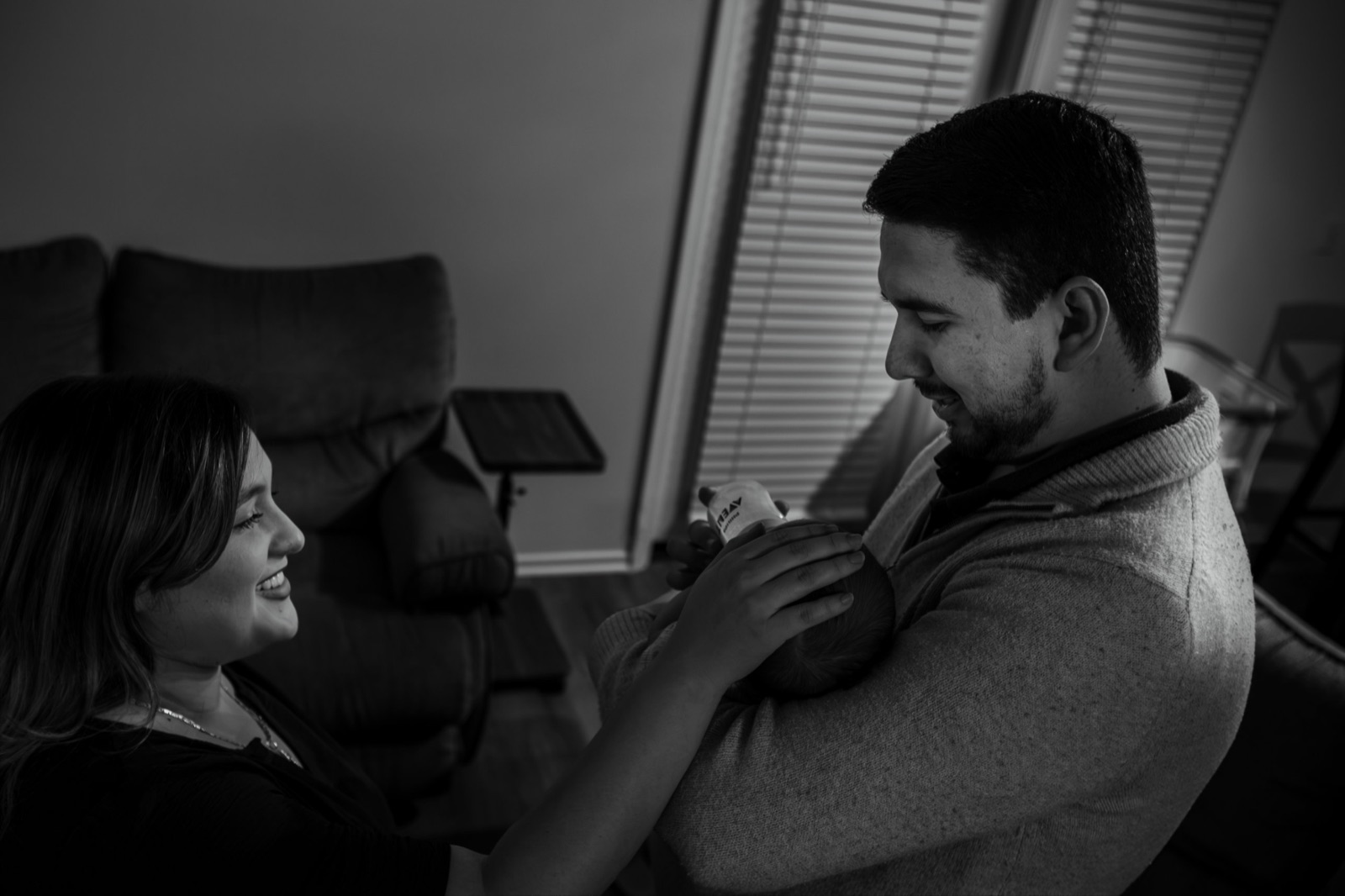
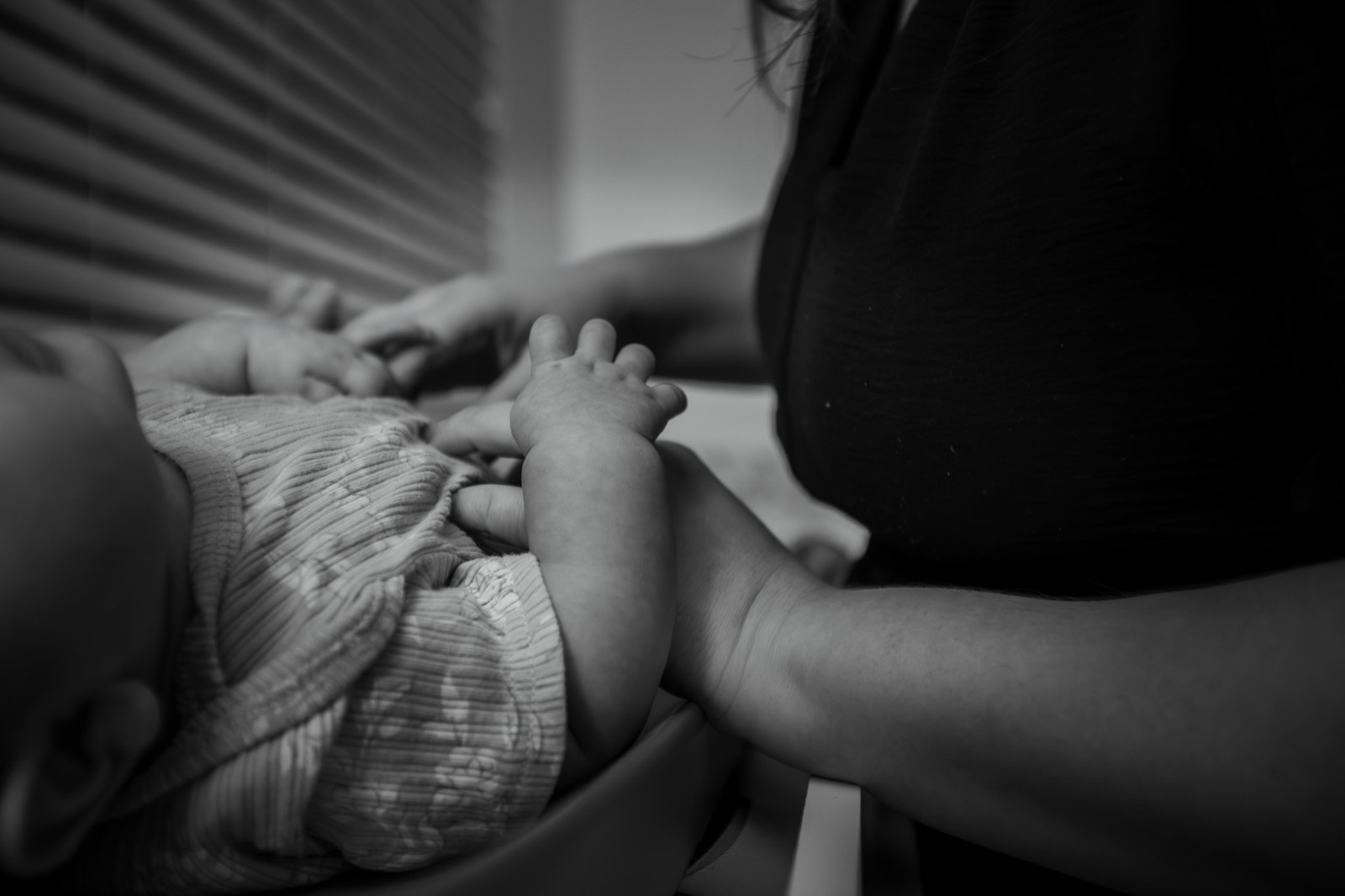
Scotty grew up the opposite way: the youngest, and the only boy. He was raised knowing that one day he would be responsible for a family of his own. When he hears the word submission, he goes to the passage in Ephesians that most people only quote halfway.
“People tend to miss the second part,” he said. “The woman submits to the man, but who’s the man submitting to? He’s submitting to God.”
That passage begins by asking husbands and wives to “be subject to one another out of reverence for Christ,” then asks the husband to love his wife the way Christ loved the Church. Scotty takes the comparison literally. “I’m giving my life as the leader for my family, for my wife and my child,” he said. “What does that mean? To lay down my life, you know?”
In practice, their home looks less like a hierarchy than a relay. He cooks. “Thank God,” Mirna said. “Cooking was not in my book.” She rocks their daughter to sleep while he makes dinner. He washes bottles and packs the diaper bag. Neither keeps score. “Let me do that for her,” Scotty said, describing the habit they share. “She says, let me do that for him.”
“We talk about things before we do them,” he said.
Readers will weigh their words differently, and they should. What the couple describes is not a formula to copy. It is two people who found a shape for their marriage that lets both of them rest.
What they carried in
Neither of them grew up inside a marriage they wanted to copy.
“I struggled with believing that relationships and a marriage could be successful,” Mirna said. “I didn’t really grow up with a lot of good examples.” Around her, people divorced or separated. She carried what she had seen into her own relationships: what men could be like, what a marriage could turn into, the fear of being cheated on.
The turn came when her mother was diagnosed with cancer.
“I realized, I need to do something with my life,” she said. “I cannot keep going down this path. I need to change.” She calls it the year of surrender. She let go of a great deal, and by the end of it, she said, she felt like a completely different person.
“And God is so good that literally the next month I met Scotty.”
They met through Totally Thine, a ministry in the Diocese of San Bernardino built around speed dating, or “speed faithing.” Scotty was one of its founding members. The ministry he helped build and lead to bring people together is where he found his own wife.
She does not pretend the story ends there. “I’m still healing,” she said. “I’m not fully healed.”
Scotty’s parents divorced when he was young. He was abused by his father. He struggled with depression and with his mental health, and with a quieter wound underneath it: the belief that his value depended on someone else.
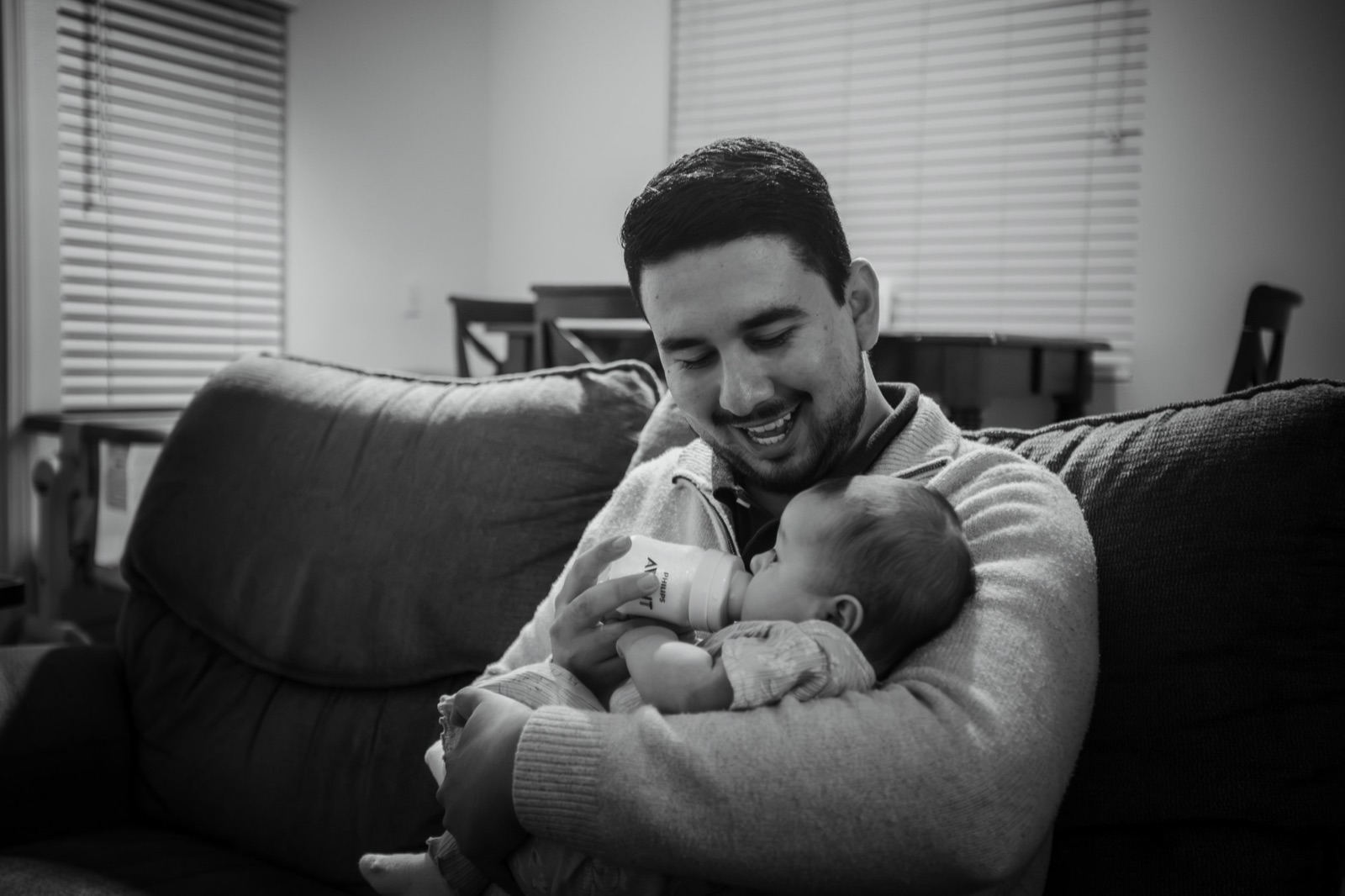
“I was always pursuing that feeling like I needed someone to provide me that worth, to show that I was worth something.” — Scotty
He wanted marriage so badly that he admits it became obsessive. When people asked whether he had thought about the priesthood, it made him angry. When he stayed single, he quietly decided God must want him to be a priest, and that this was why he was suffering.
Then he hit bottom. “Instead of just staying there, I wanted to do something about it,” he said. “I just gave all my all to God.” He told God he was open to anything, the priesthood included.
It happened, he said, to both of them at the same moment.
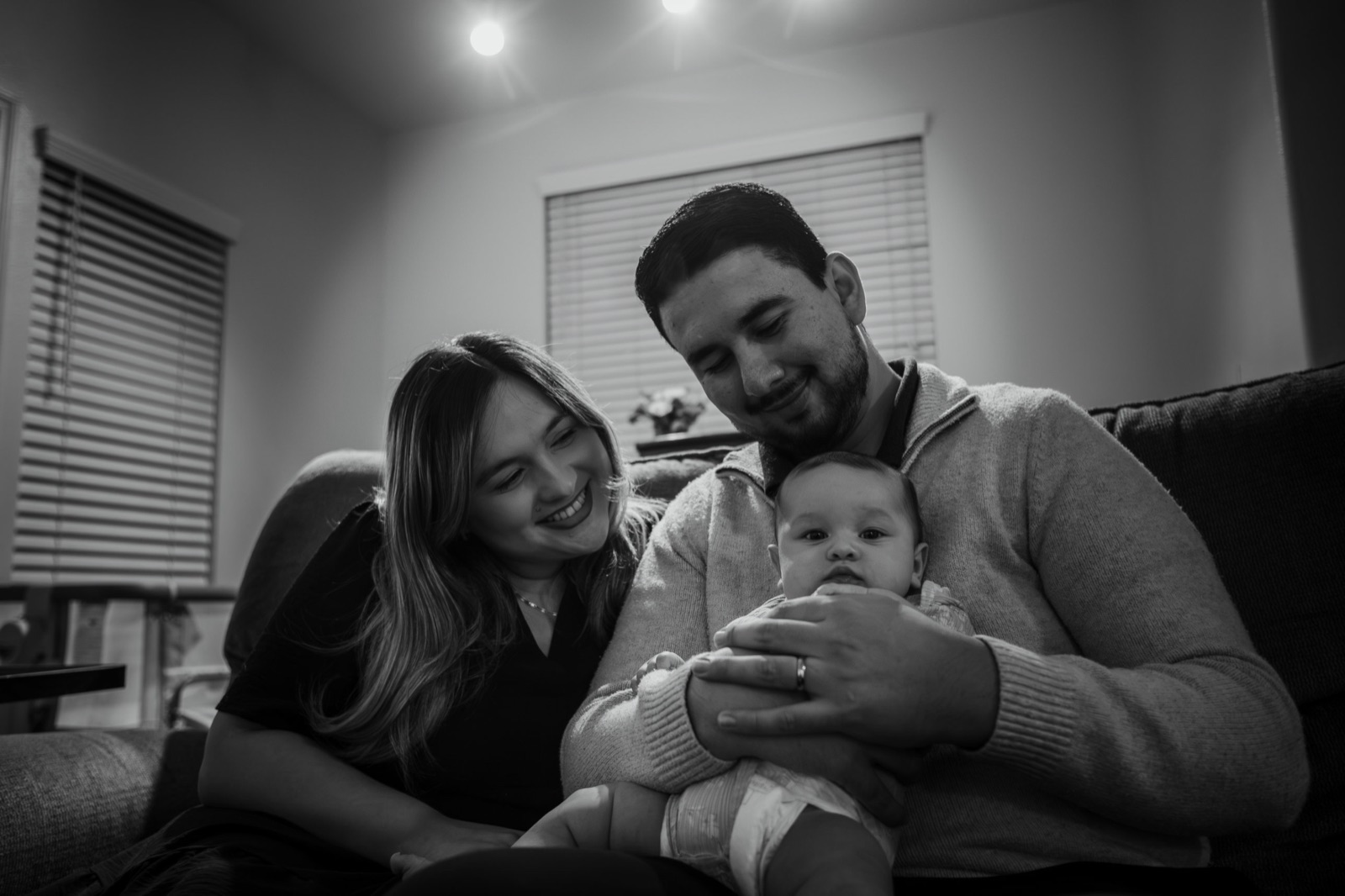
“For both of us, the exact moment when we entrusted our lives to God and said, ‘I’m yours,’ He brought us to each other.” — Scotty
From the beginning, they talked about what they wanted to do differently. “We just really wanted to be redemptive,” Mirna said, “break the curse, as some people say, the generational curses. And I’m really proud of us for actually doing it.”
Part of her healing, she said, came from simply being loved well. “If somebody loves me this much,” she said, “I should love myself too.”
Signs along the way
About a week after they started seeing each other, Scotty told Mirna he wanted to discern marriage with her. It could have scared her off. It did not.
“We weren’t just looking to waste each other’s time,” he said. “We were very intentional about that.”
Early on, he went to pray at a shrine to Mary at Our Lady of the Snows in Wrightwood. He was asking about Mirna. He had a prop rose with him, a silly thing he had bought to make a flirty video, and he left it at the shrine.
Months later, he brought Mirna there to pray together. The rose was still there. It was not a real flower. Anyone could have thrown it away, and the weather could have taken it. On later visits, it was still there.
“I felt like that was like an affirmation from Mary saying, ‘I’ve been watching over you,’” he said.
The fears did not disappear on their own. Could they afford to live on their own? Were they ready? Were they moving too fast? Mirna once insisted they needed a house before he proposed.
Under the practical fears was a heavier one. She had lived at home her whole life, the oldest child who took care of everyone. Starting her own life came with guilt.
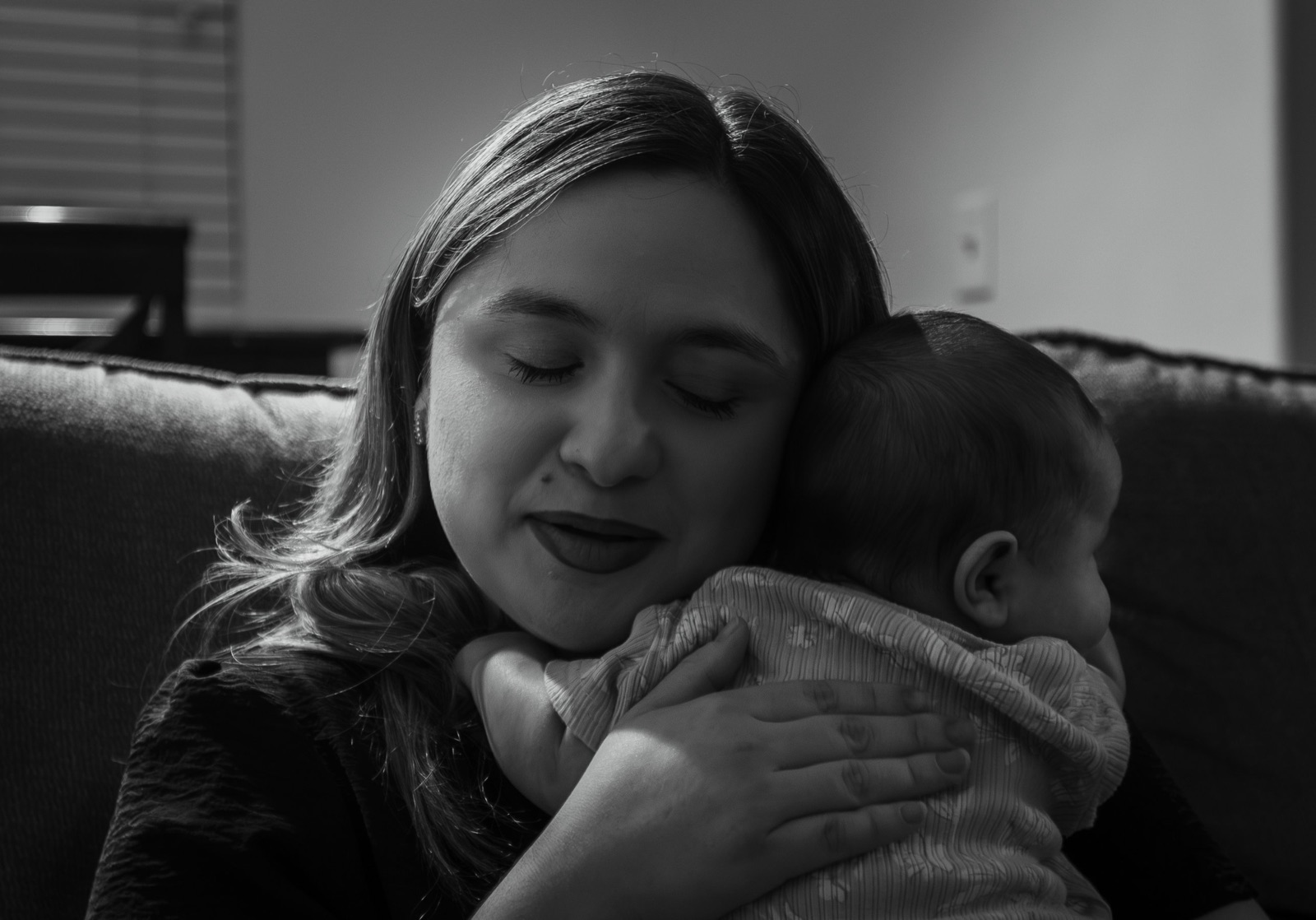
“Am I a bad daughter for wanting to leave my family?” — Mirna
She prayed about it for a long time. The turning point came in a sacrament. While they were still weighing engagement, both were going through mental and emotional struggles. Scotty suggested they receive the Anointing of the Sick, which neither had received before, and they asked Father Hau Vu, the diocese’s vocations director, who anointed them together, privately, in his office. “All those fears were gone and we just felt peace,” Scotty said. That peace gave them the confidence to keep discerning, and in time, to get engaged. Even the ring came together. Money came in through his work, he said, in the exact amount the ring cost.
Mirna remembers the moment the fear left. They had a phrase for it: a peek behind the veil. She could see the church where they wanted to marry, and Scotty walking down the aisle.
“I’ve never felt so certain about something,” she said. “As the kids say, when you know, you know.”
Not everyone agreed. People told them it was the honeymoon phase, or that she had just met him. “We heard it all,” she said. “I couldn’t explain it, but something just felt like, yeah, this is my husband.”
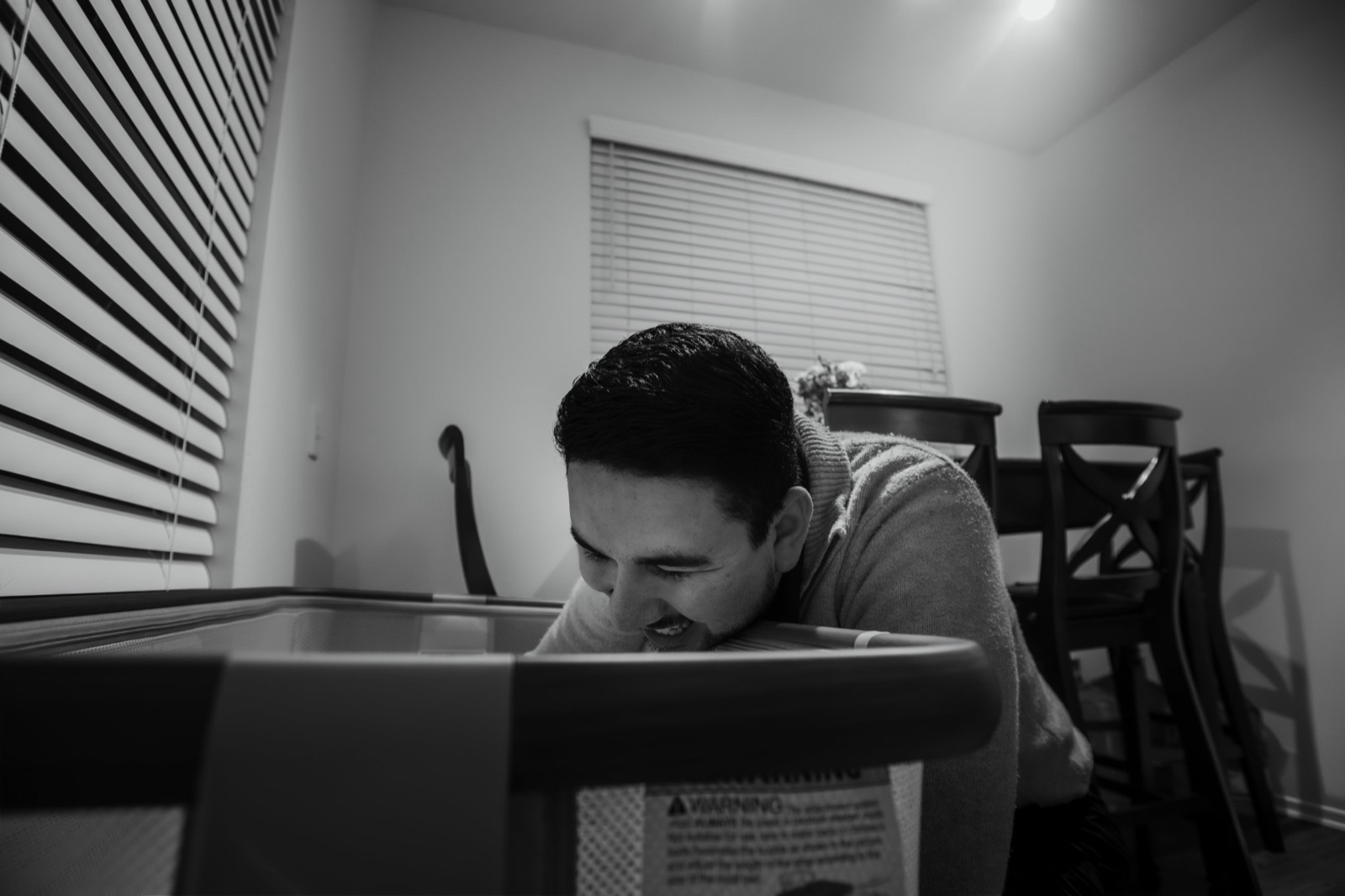
No ending this
Mirna says they have never really argued, and that he has never raised his voice at her. Coming from where she came from, Mirna still finds that hard to believe.
“It’s always scarier from the outside,” she said. “When you’re not in it, you’re like, ooh, living every day with the same person must be so annoying. But it’s so different for me.”
“Living every day with you, I feel so much peace. My life feels so peaceful now.” — Mirna
She thinks back on the woman she used to be. “Thank goodness that God dragged me out of that,” she said. “I wish I would have gotten married sooner.”
Peace is not the same as ease. Scotty feels the weight of being admired. Friends and family look up to their marriage, and he takes that seriously. They keep asking themselves whether they are doing the right thing, behind closed doors as well as in public. He does not want to be a hypocrite, asking his wife and daughter to live a faith he does not live himself.
They have had problems in their first year. None of them, he said, has ever been a reason to quit.
“We’re not gonna end this,” Scotty said. “There is no ending this. So it’s always, how are we gonna get through this together?”
To anyone wondering whether God is calling them to marriage, the priesthood or religious life, they offer two different kinds of advice.
Scotty’s is about trust. When he was single and unhappy, he doubted that God wanted good things for him. “I think it’s not right to think that God doesn’t have the best life plan for you,” he said, “just because the circumstances aren’t the way that you want them.”
Mirna’s is about looking inward.
“I want somebody like this who has this and that, but am I that type of woman? Am I that type of woman that that type of man is gonna wanna be with?” — Mirna
Getting closer to God, she said, changes the things in you that need to change.
Scotty passed on something priests once told him during his own discernment: marry someone who could have been the holiest priest, or a holy religious sister. Every vocation, Scotty said, comes from the same root: the call to holiness, and the call to love.
In a living room in Moreno Valley, that call looks like a husband, a wife and a baby girl, and a journey no one is walking by themselves.
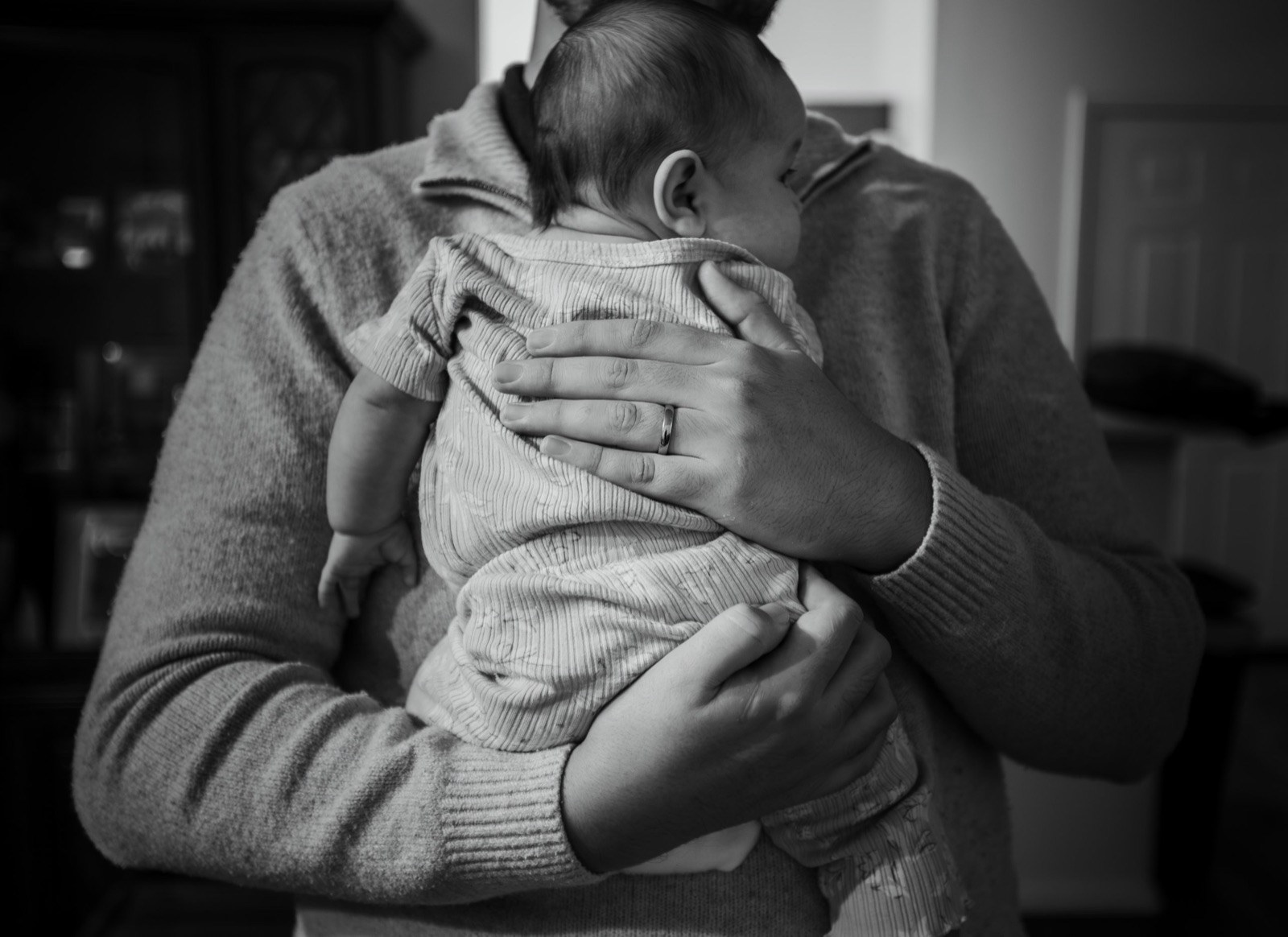
Not alone anymore.
Mirna and Scotty Van Horn attend St. Patrick in Moreno Valley and serve in ministries across the Diocese of San Bernardino. Words and photographs by Joe Bedard.