The Offering
Words and photographs by Joe Bedard
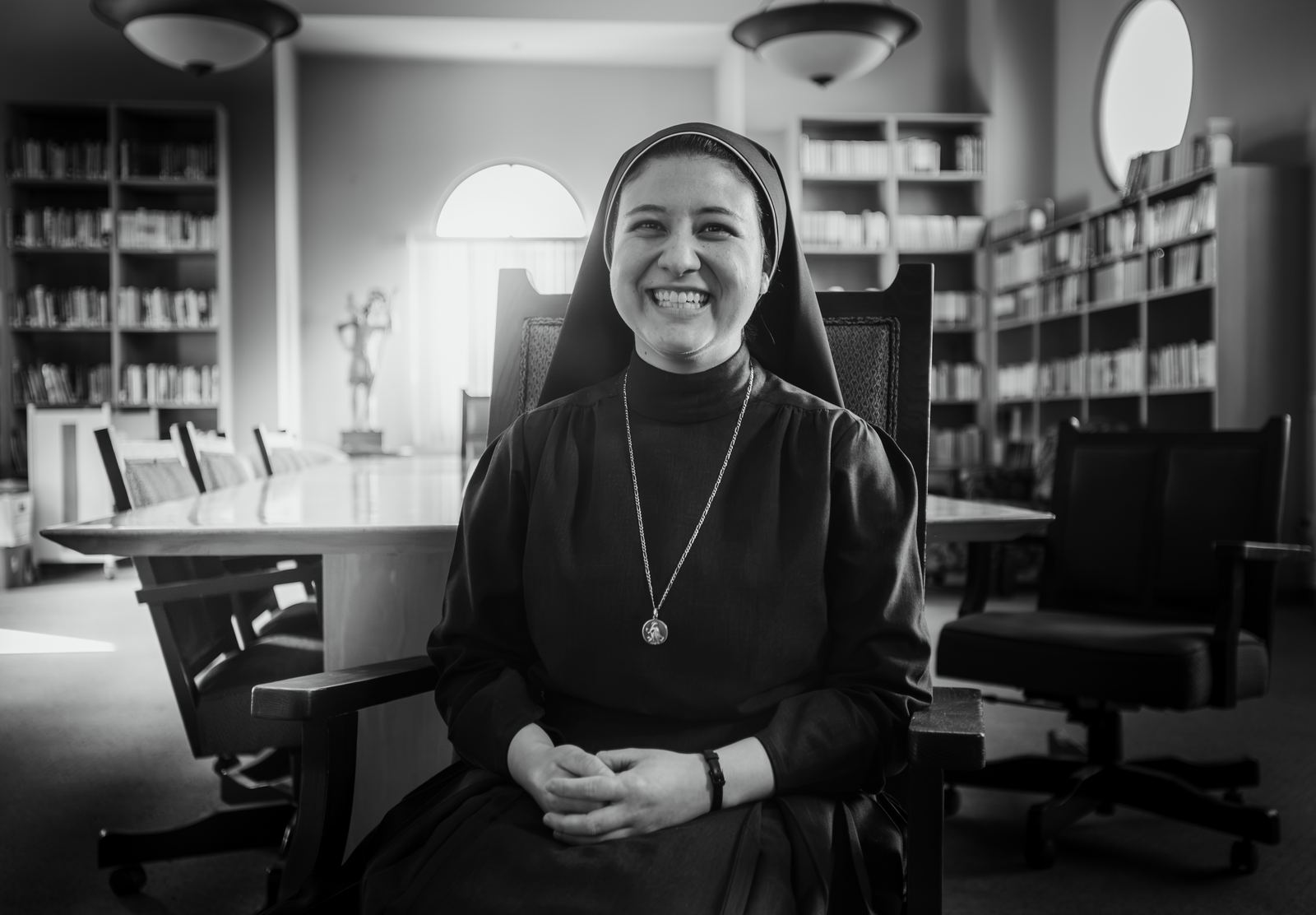
Every morning at 4:30, Sister Frida rises to cook, clean and pray for the men preparing to become priests at Serra House in Grand Terrace. The work repeats itself every day. She says it only makes sense if you remember who it is for.
Before the sun
The alarm goes off at 4:30 a.m. By 5, Sister Frida and the other Oblates of St. Martha are at prayer. For an hour they pray for the seminarians, for priests and for the people those priests will one day serve.
Then they head to St. Junipero Serra House of Formation in Grand Terrace, where the Diocese of San Bernardino forms men for the priesthood, and start breakfast.
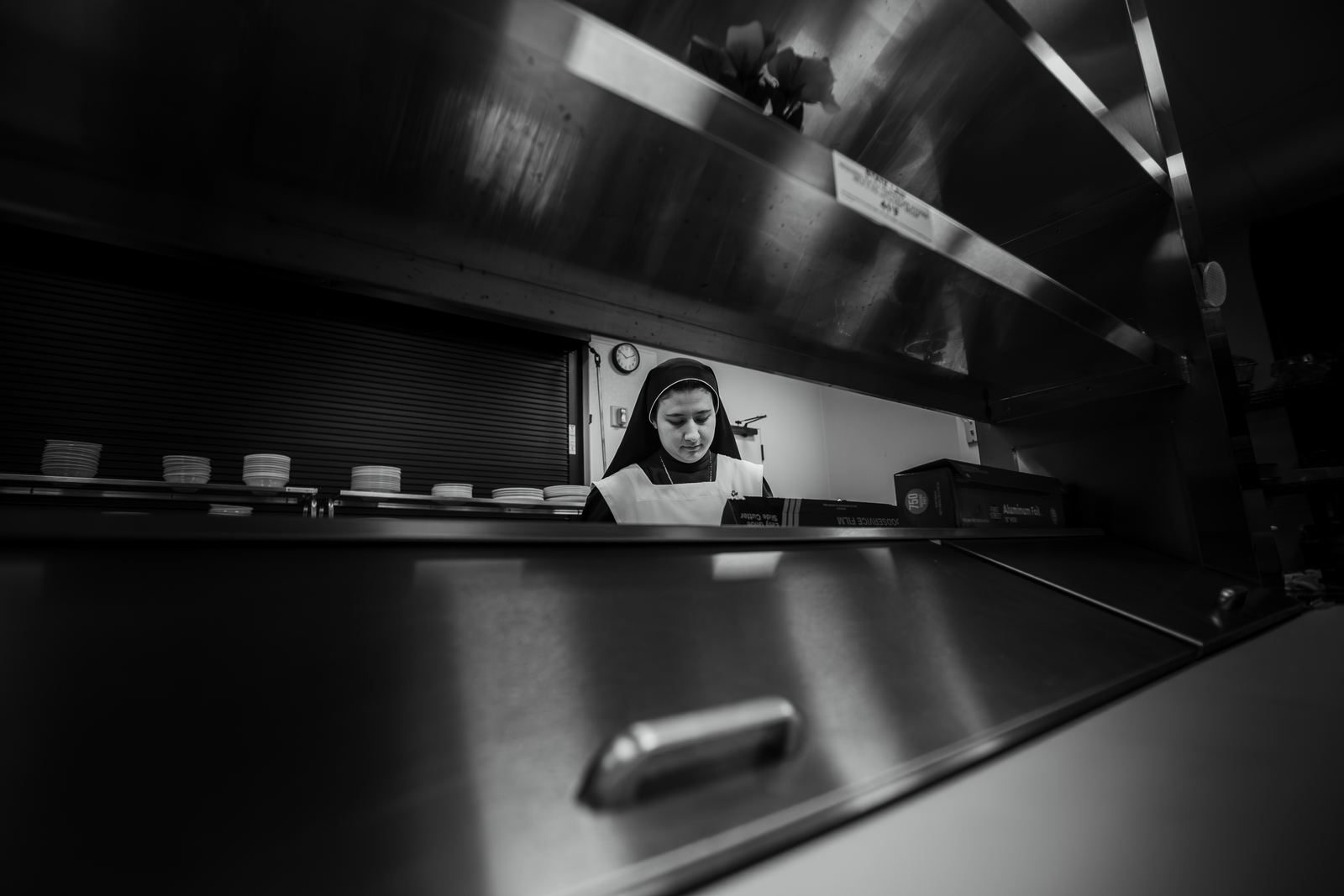
The meals set the shape of the day. Mass is at 8, then breakfast at the sisters’ house. From 9:30 to 1 they are back in the seminary kitchen making lunch, followed by a short break to rest or pray. At 4 they return to cook dinner. Evenings bring the rosary, a few minutes to talk over the day, and night prayer.
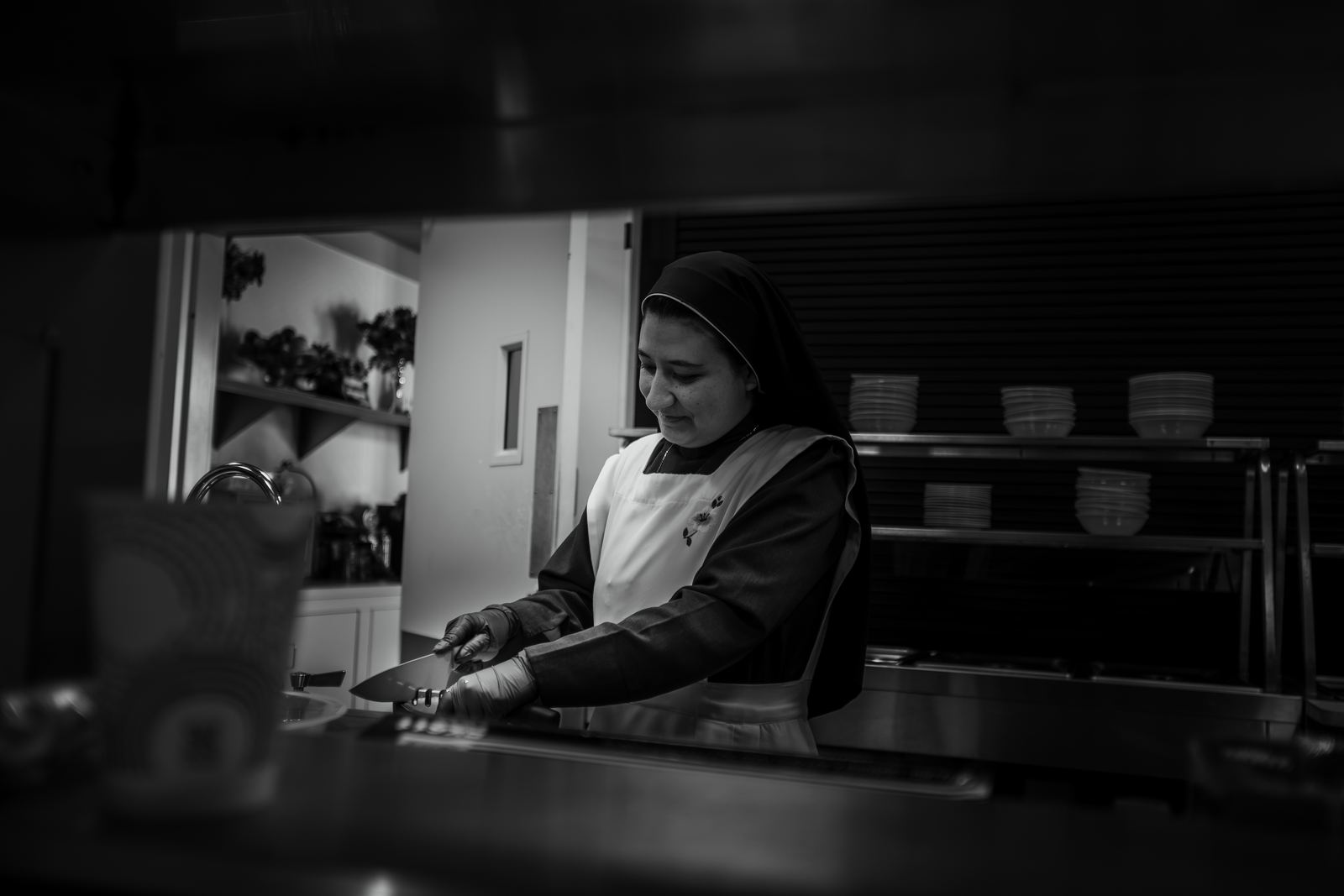
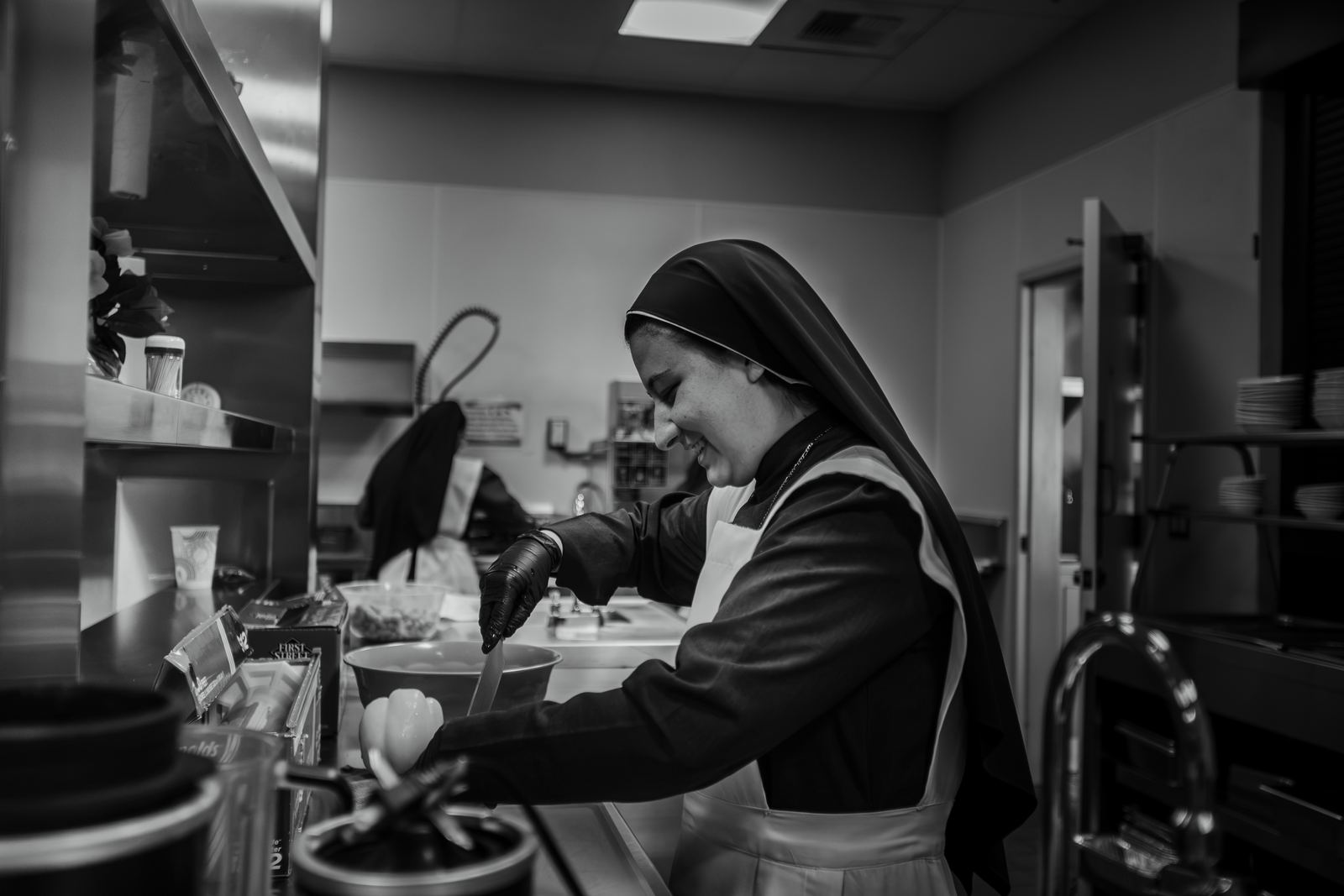
“It can get tough sometimes because it’s every day the same thing,” she said. “Even though we prepare different food, it’s always cleaning and preparing. But I have in mind for whom I am doing it. That’s what makes the difference.”
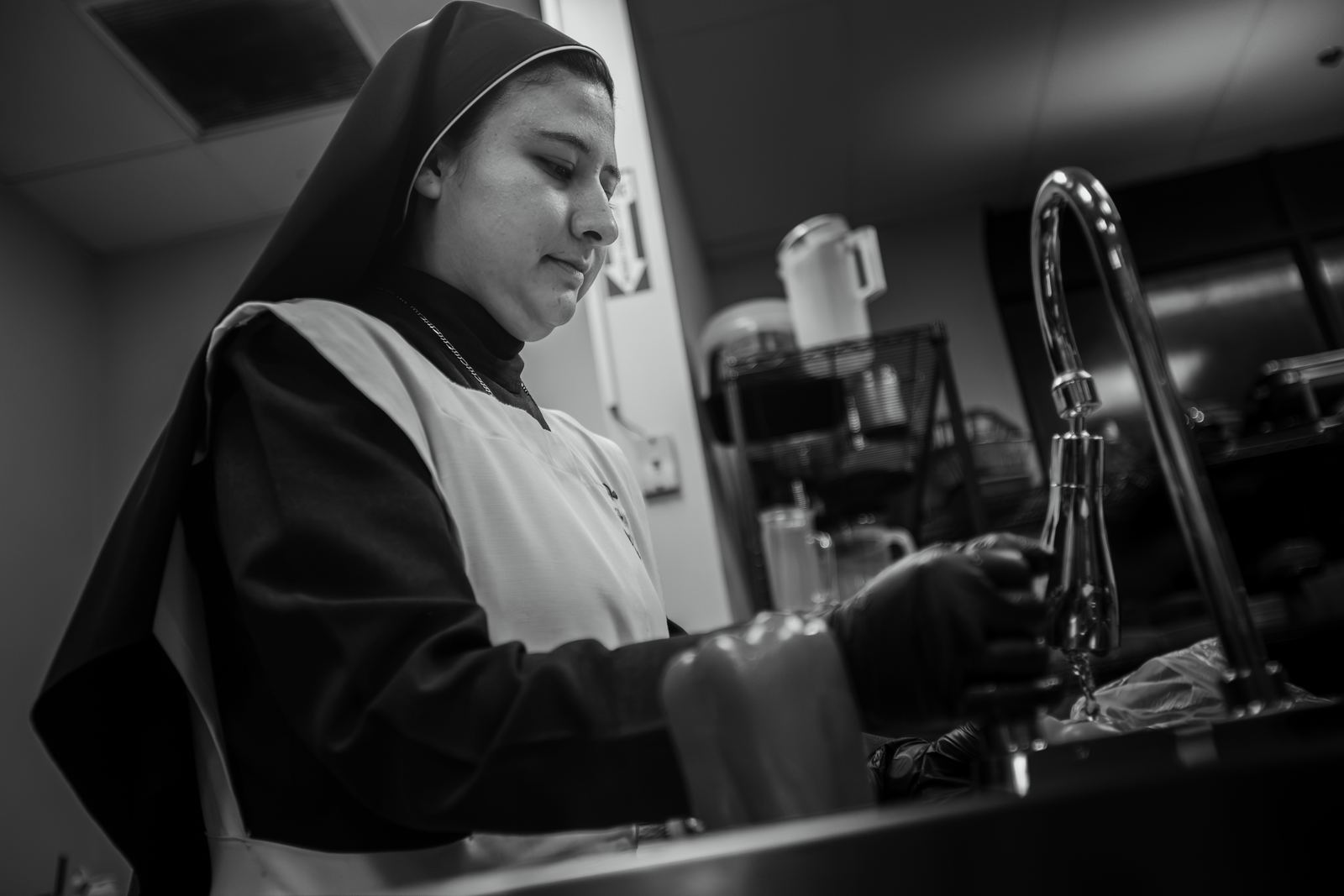
The Oblates have served at Serra House since 2008, supporting diocesan seminarians “through prayer and the preparation of meals,” according to the diocese’s newspaper. Sister Frida has been there only a few months. She is in charge of the dining room: the tables, the floors, the restrooms.
“I have in mind for whom I am doing it. That’s what makes the difference.” — Sister Frida
A grandmother’s faith
She grew up in Ciudad Juárez, Chihuahua, across the border from El Paso. Her mother kept her distance from the Church. Her grandmother did not.
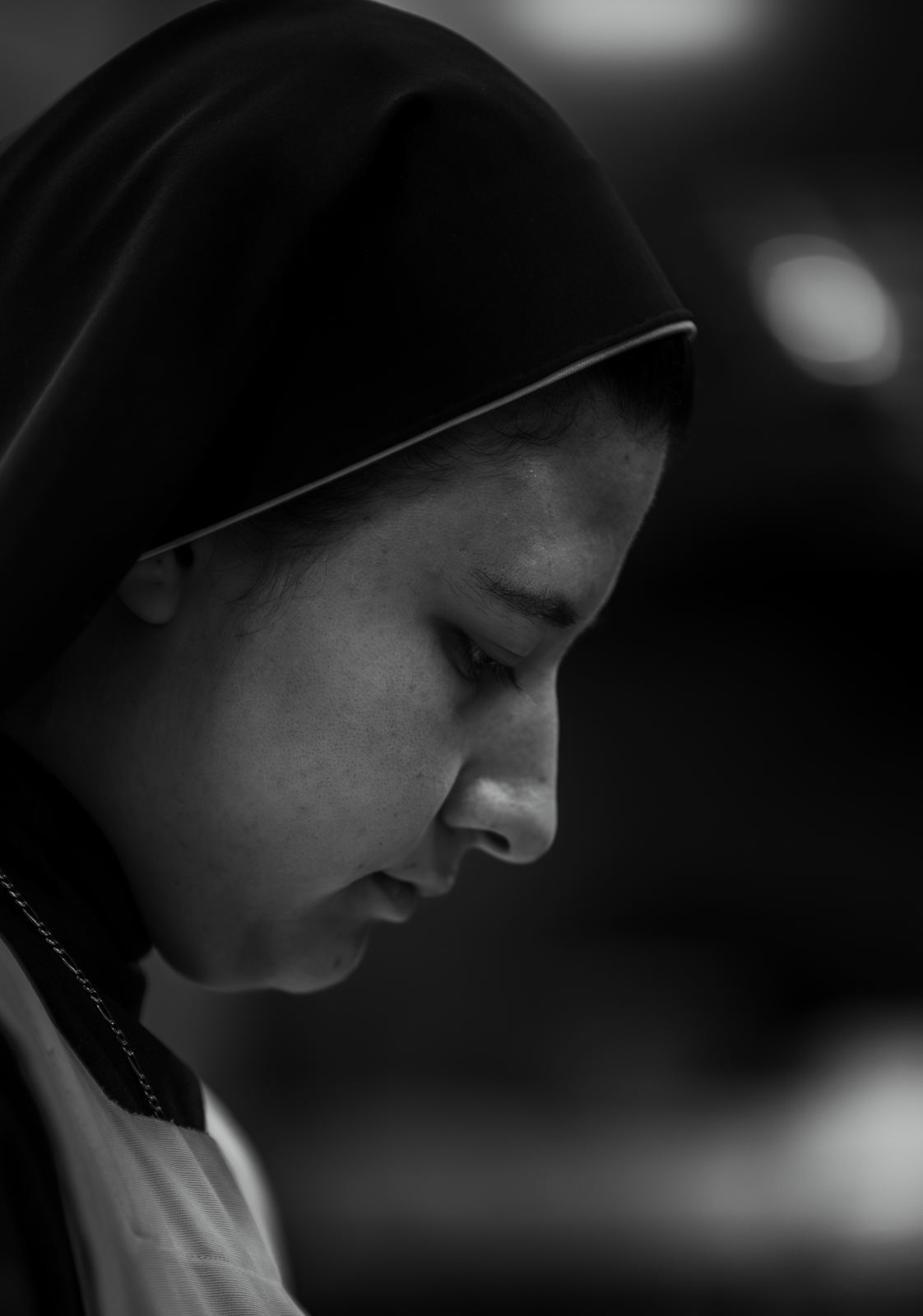
“Everything I learned about my faith was thanks to my grandma,” she said. “She taught me how to pray, how to communicate with God, how to be a friend with Him.”
Her father was not there. That absence would surface years later, in the quiet of the convent.
The restless year
At 17, she had what she called everything. She was in college, worked as a supermarket cashier, had a boyfriend and coordinated the youth group at her parish. She had never met a nun.
What she lacked was time with God. She felt it most in front of the Blessed Sacrament. When her boyfriend came along to Holy Hour, she wanted him gone. “I just want to be with God alone,” she remembered thinking. “Something is happening, and I don’t know what.”
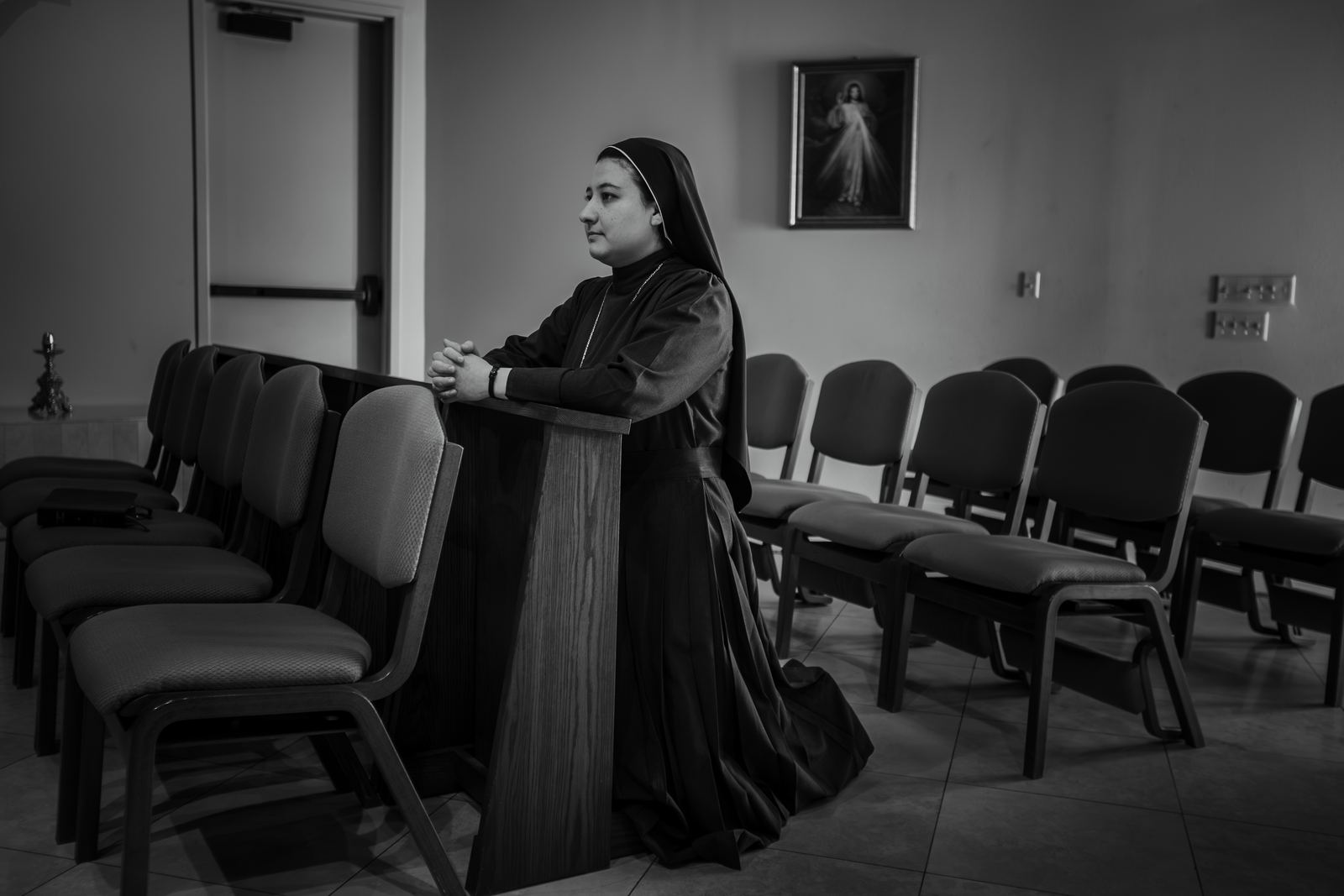
Her pastor sent her to a vocations retreat so she could learn to run one back home. Two Oblates of St. Martha were there. Their joy and hospitality caught her attention.
During the retreat she watched a video about signs of a call to religious life. One sign described her exactly: you have everything, but not enough time with God. She left the room in tears.
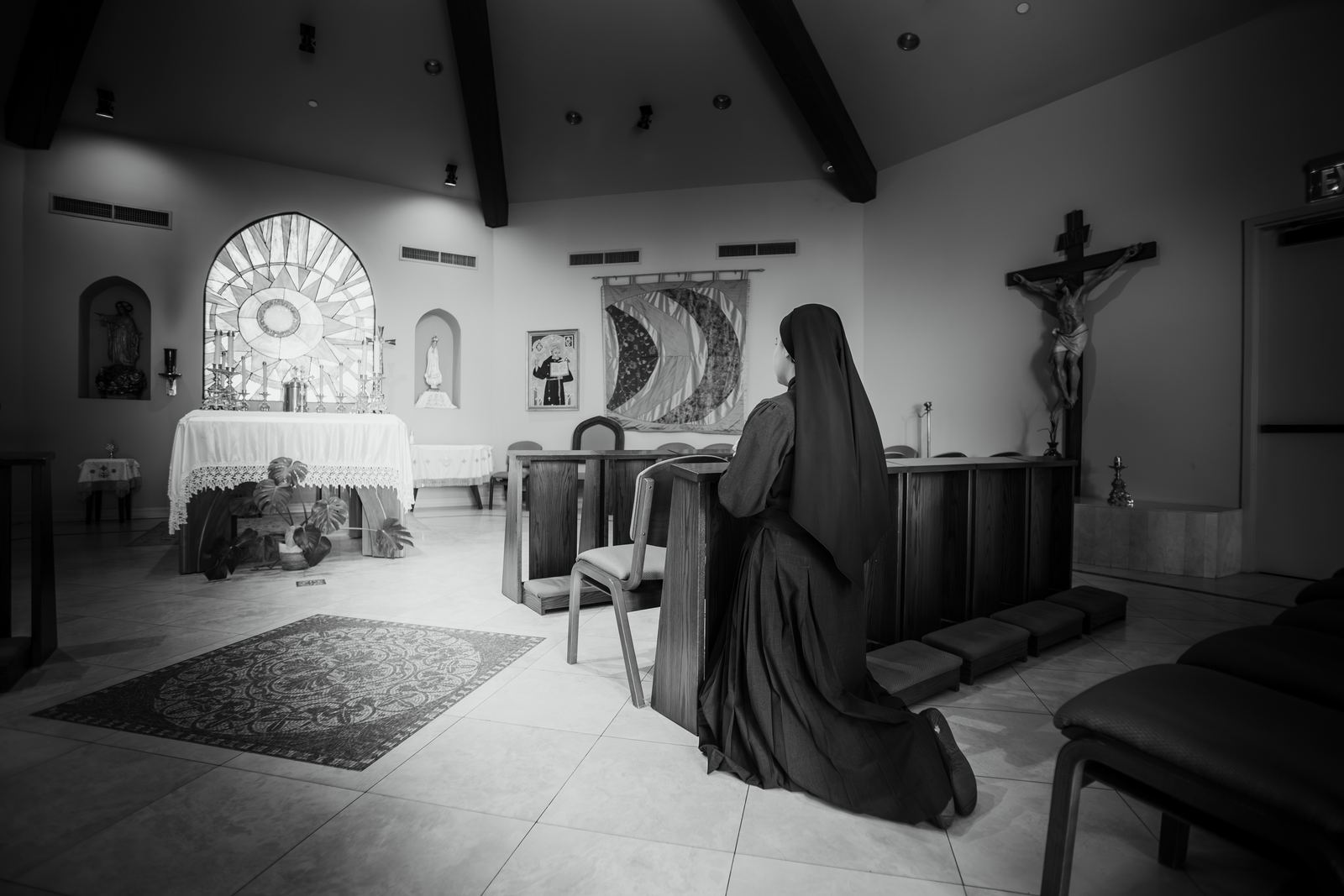
“I felt like God was telling me, ‘I want you to be like the sisters you saw. I want you to give your life like them,’” she said. “Once that thought came to my mind, it never left me alone.”
She turned down the sisters’ first invitation to another retreat. “I said, ‘No, I’m not going. I don’t want to be a nun,’” she said, laughing. That was November. She went in January. By August she had entered the congregation. She was 18.
The morning she left
Her grandmother had died by then. Her mother had raised her and her younger sister on her own and leaned on her oldest. After hearing the news, she did not speak to her daughter for two days.
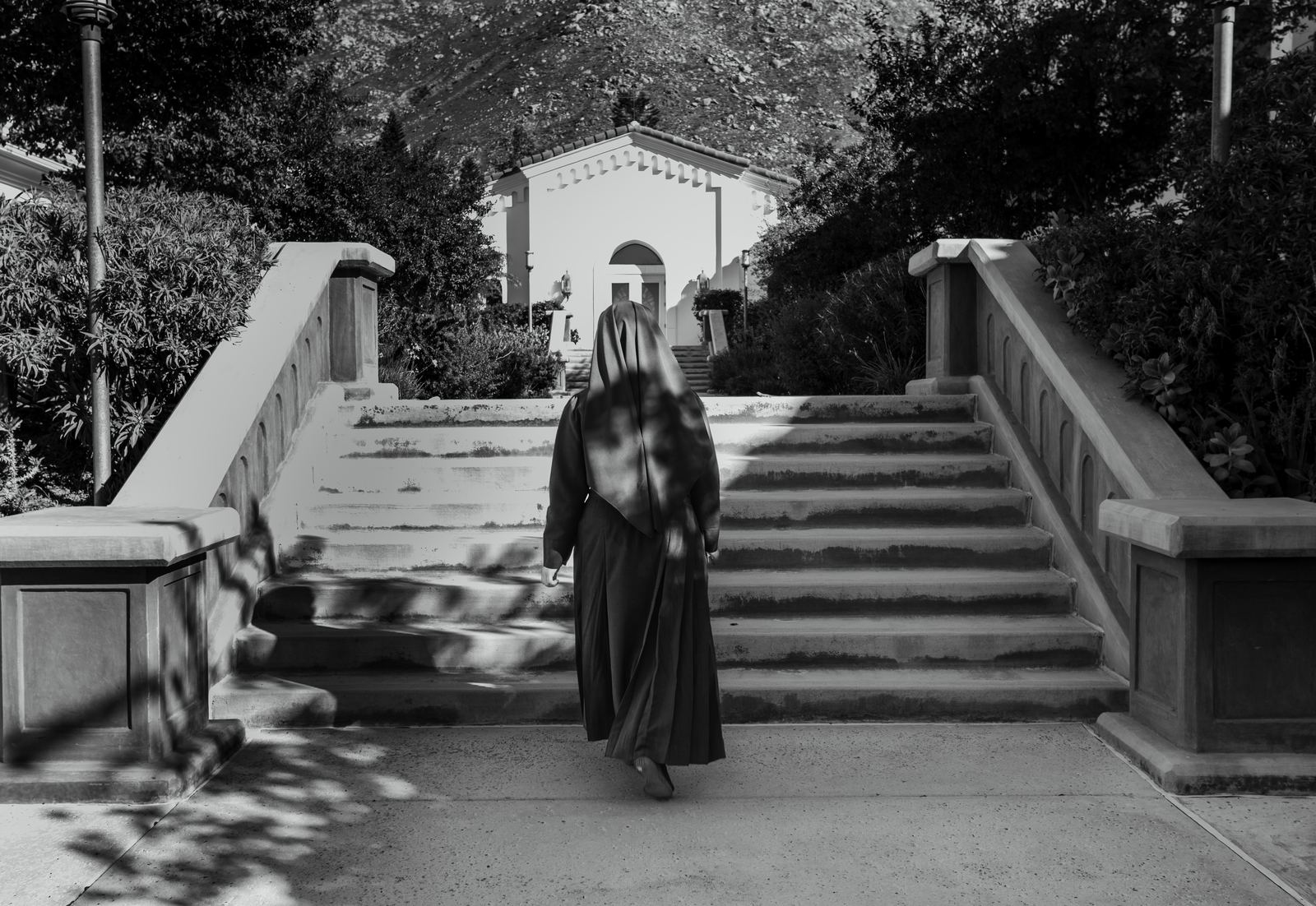
On the morning Frida left, her mother woke at 4 a.m., came to her bed and wept. “Don’t go, please don’t go, don’t leave me alone,” Frida remembers her saying.
“I had to hold all that feeling and say, ‘Mom, everything is going to be okay. We are going to be more united than ever,’” she said. “The first years were hard.” Today, she said, her mother understands and is happy for her.
Doubt, and a Mexican martyr
Formation with the Oblates takes years. Two years as a postulant, in a simple uniform. Two as a novice, in the habit with a white veil. Then temporary vows of poverty, chastity and obedience, renewed every year for six years before final vows. Classes come through the Pontifical University of Mexico, mostly online, alongside in-person study of the vows and the congregation’s founders.
As a novice, she wasn’t sure she could do it. “Being married with God is like, wow, am I going to do what He expects from me?” she said. She asked her superior for six more months before first vows. The answer was no. Wait, she was told, and you may come to regret it.
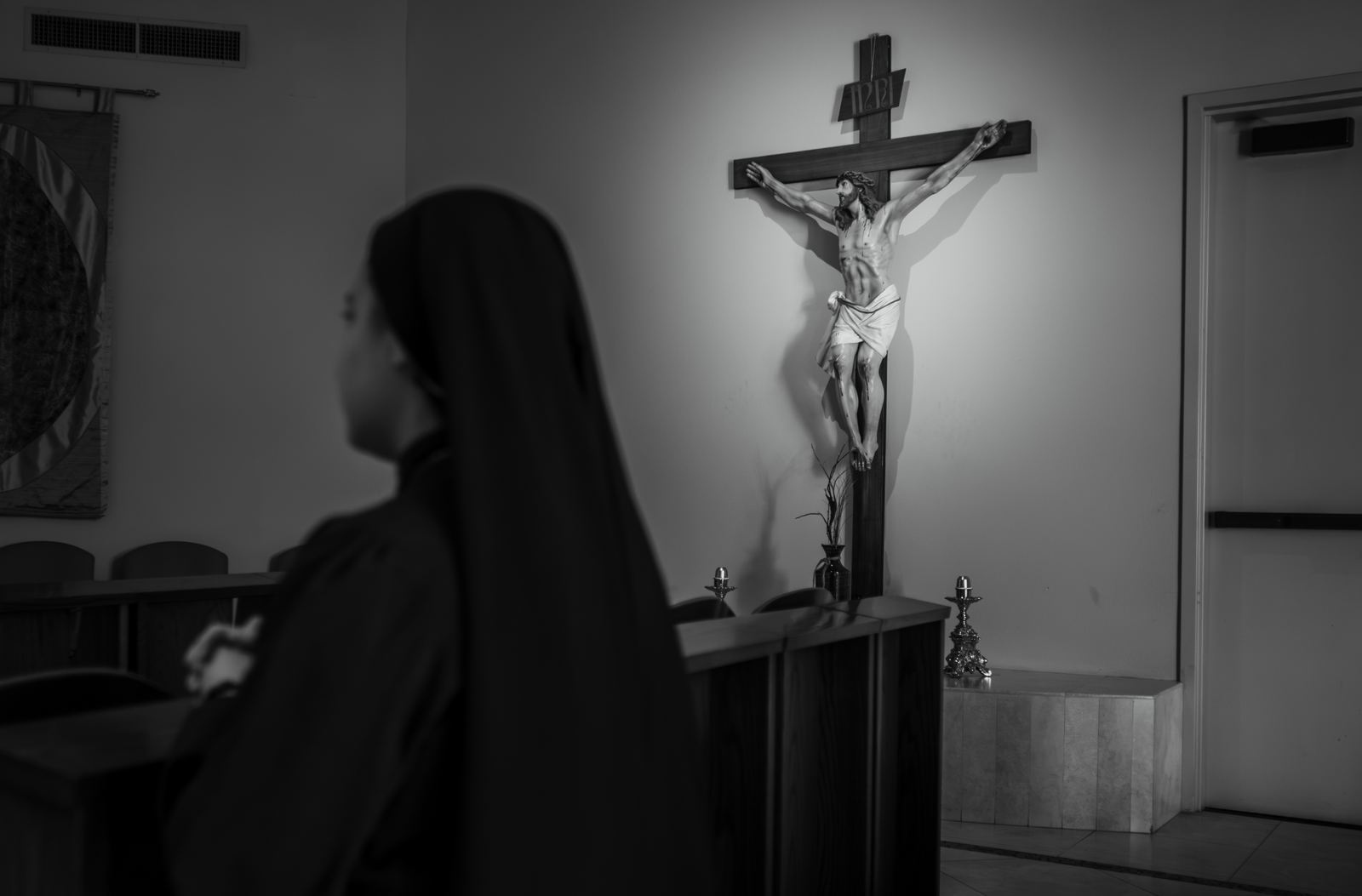
So she turned to Blessed Miguel Agustín Pro, the Mexican Jesuit priest executed in 1927. She read his life, and a letter he wrote to a young woman struggling to enter religious life. Then she made her vows.
“Since then I am convinced that God is the one that sustains me,” she said. “If He kept Himself on the cross, then why am I going to give up when I’m having a hard time?”
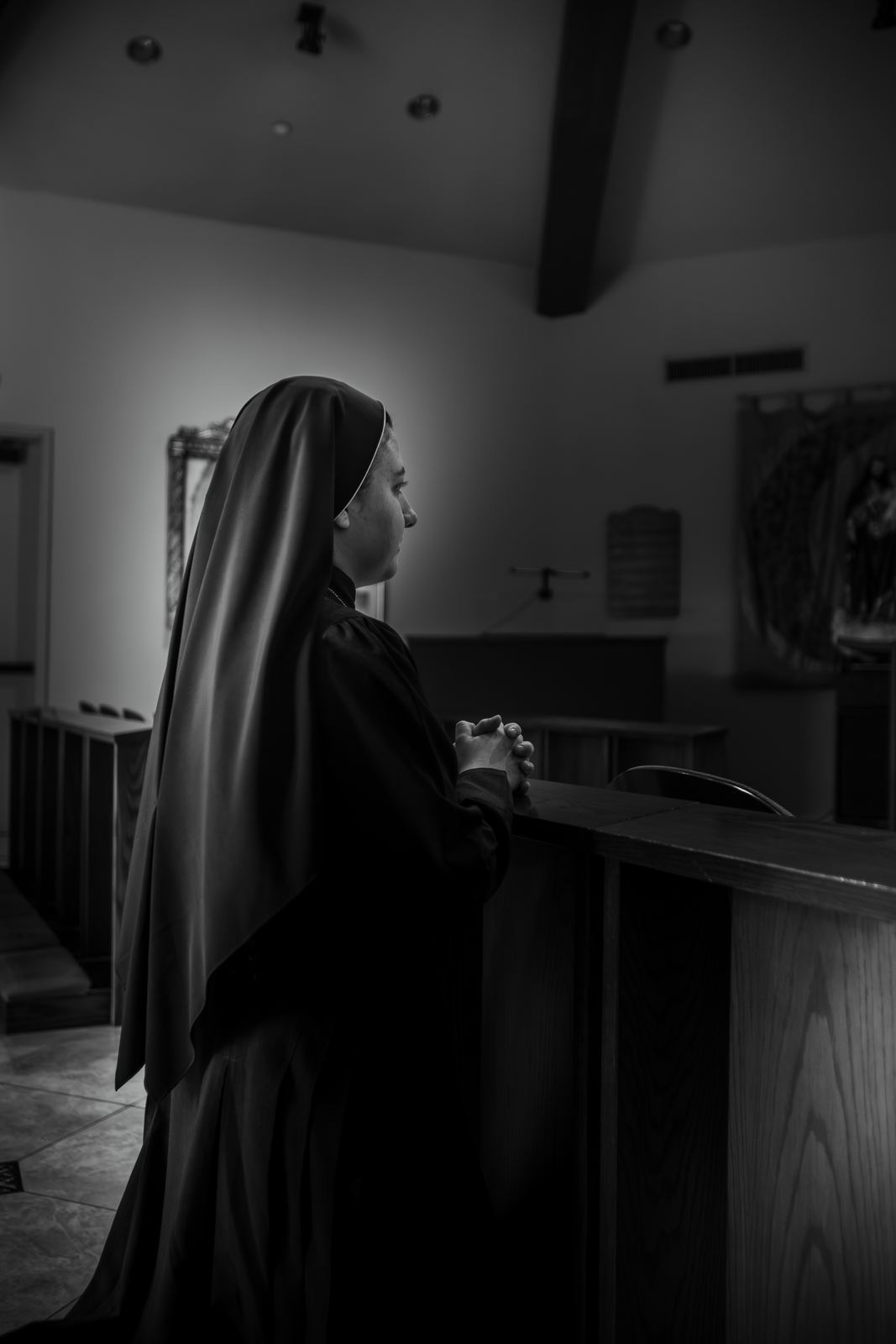
“If He kept Himself on the cross, then why am I going to give up?” — Sister Frida
Her father’s daughter
The silence and prayer of formation brought up something she had not expected.
“I had to discover that I was mad with him,” she said of her father, “even though I didn’t get to know him.”
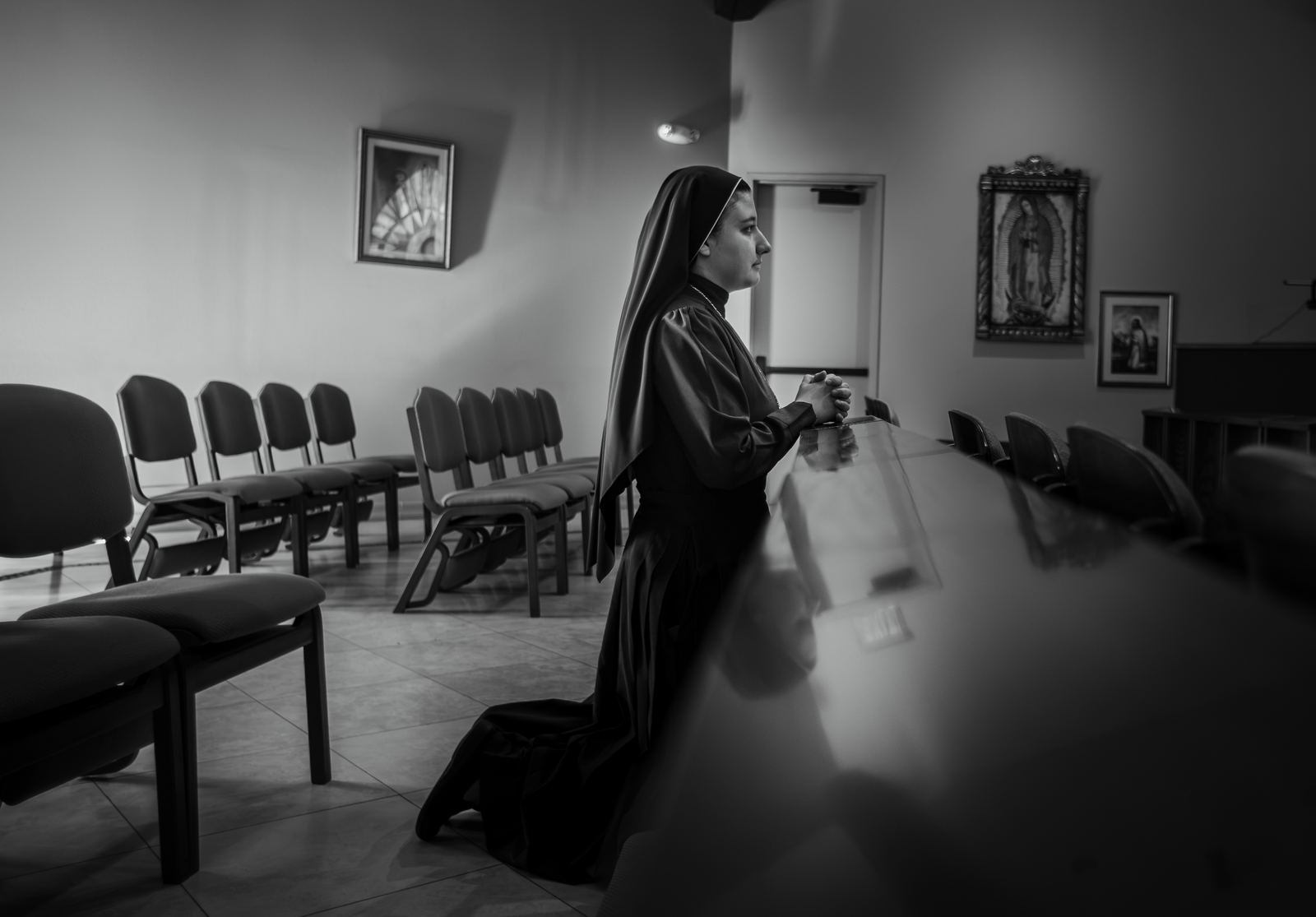
Forgiveness is hard enough with the other person in front of you, an apology to hear, a reason to weigh. She had none of that. She had a father she never knew, an empty place where he should have been, and an anger she found only once she finally looked at it.
She chose to forgive him, and she started with gratitude.
“Then I realized that thanks to him, I’m alive,” she said. “Thanks to him, I can be what I am.”
She calls it her responsibility as his daughter. She prays for him every day and offers part of each day’s work for him. He is married now and has a family. She prays that he will be a good father to them, and that he will find something of God in his day.
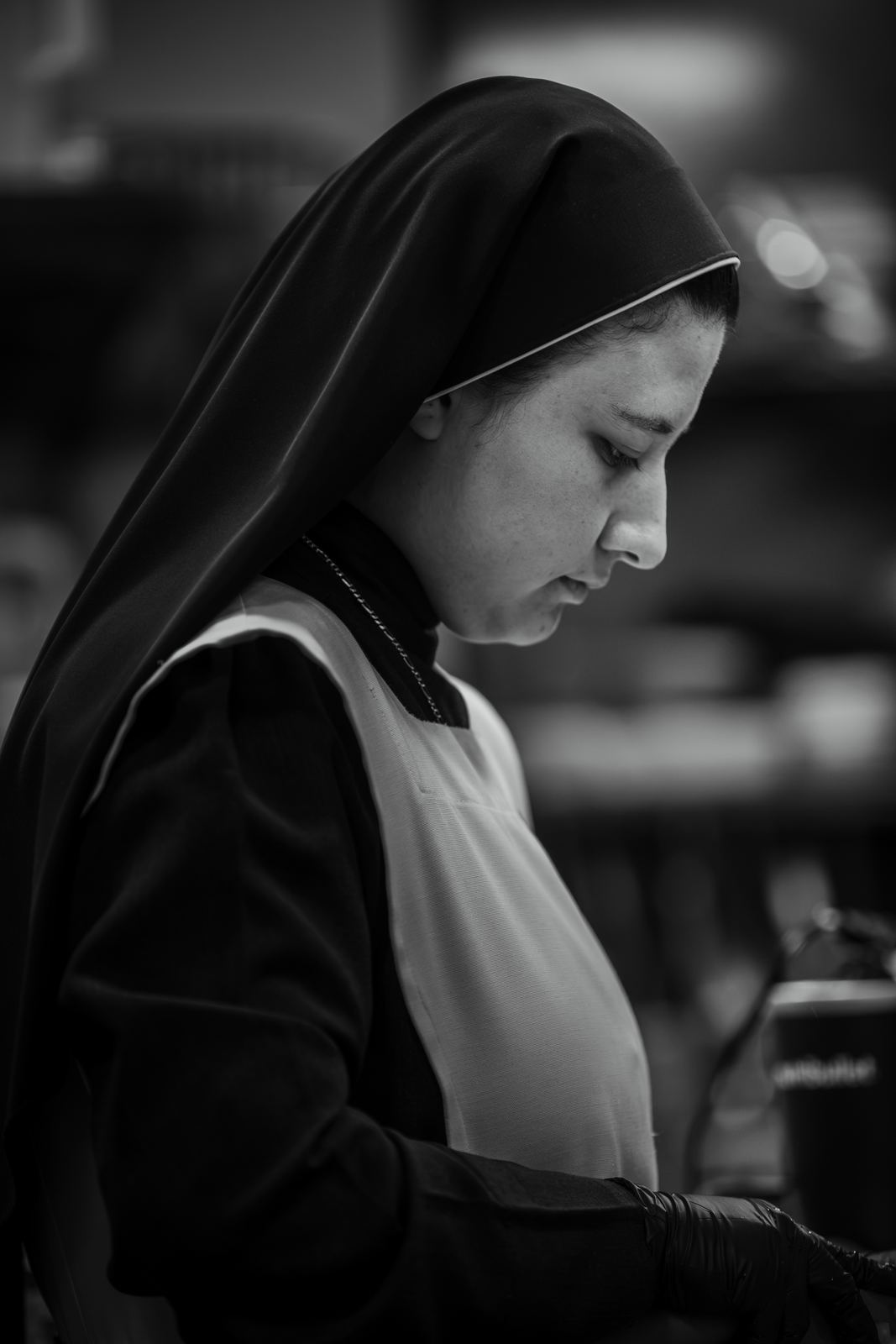
“When I was a child I needed him, but he wasn’t there,” she said. “But now I think, okay, that’s what God let happen. That’s what made me who I am now. And now I’m happy with that.”
Forgiveness, she said, takes “a clean heart, like a clean soul.” It did not happen in one moment. It became part of the same daily prayer and offered work that shape the rest of her life.
The man who wasn’t there when she needed him now has a daughter who prays for him every day.
The temptation to skip the mop
She does not pretend the work is holy by itself. Last year she served in a sacristy and loved it. Here, she jokes with the seminarians, the job is mostly cleaning, and she would rather go back.
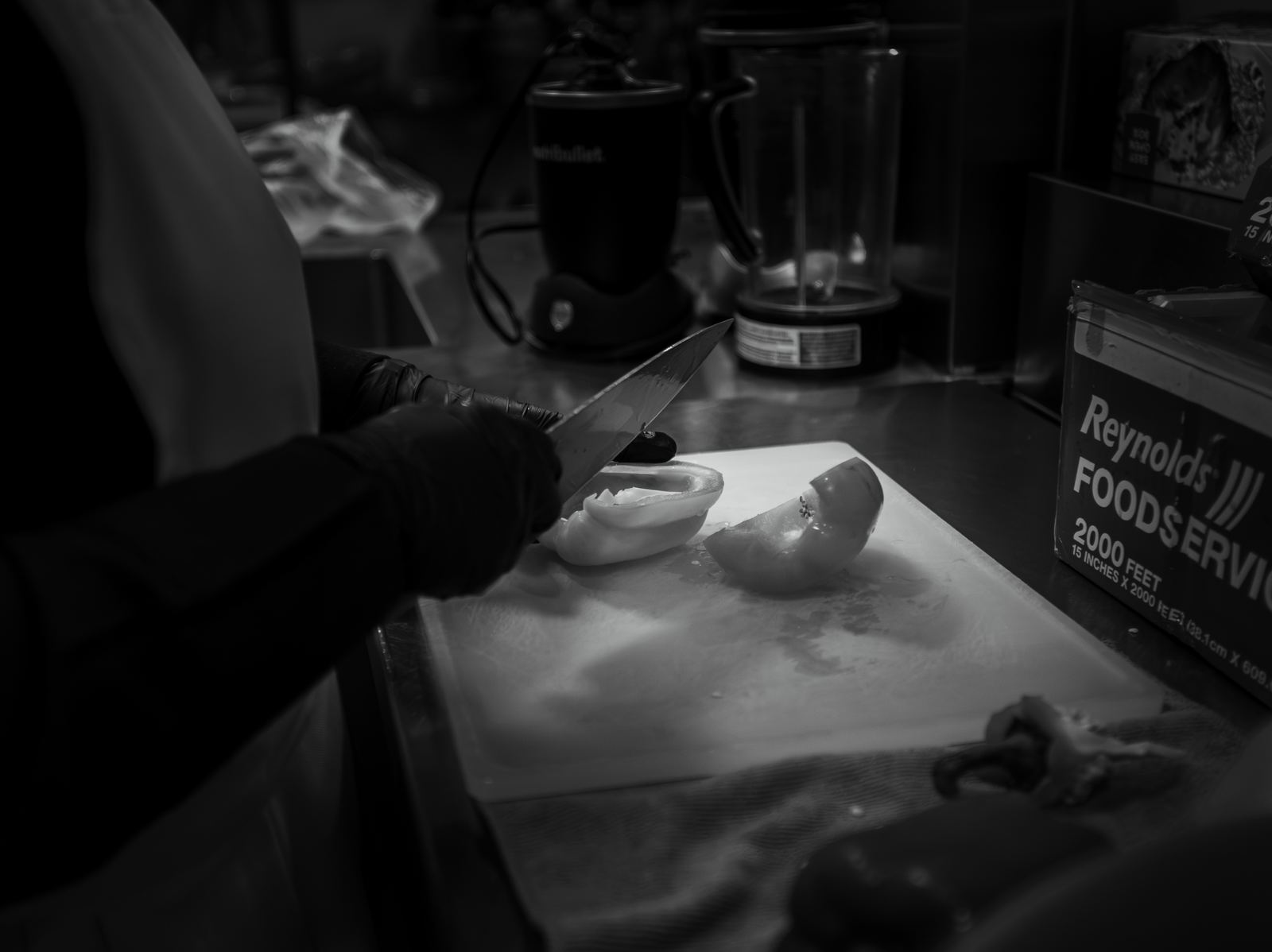
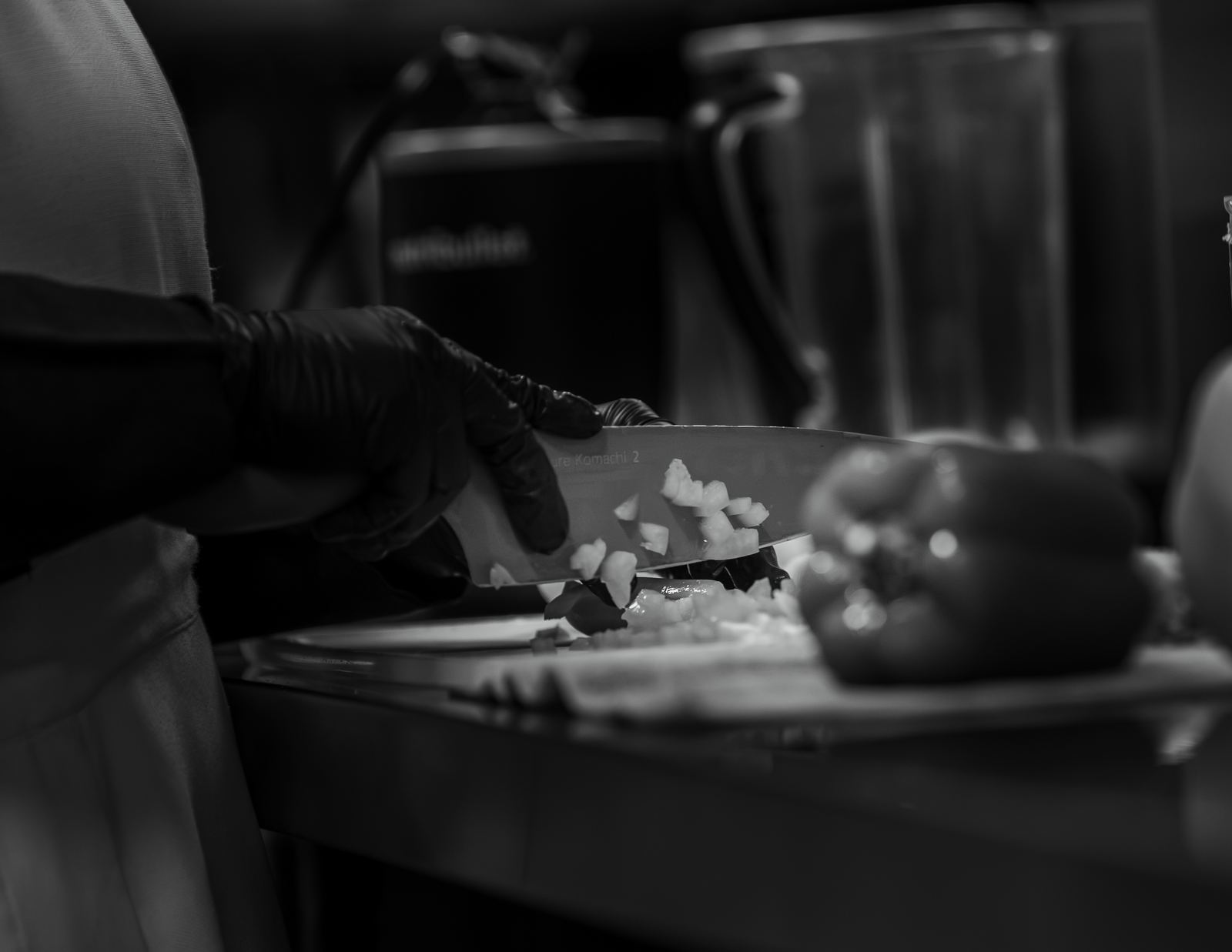
The real test, she said, is small. “Today I’m going to clean the tables, but maybe I don’t wash the dishes. Okay, I’m just going to sweep and that’s it. Not mopping,” she said. “That’s a big temptation.”
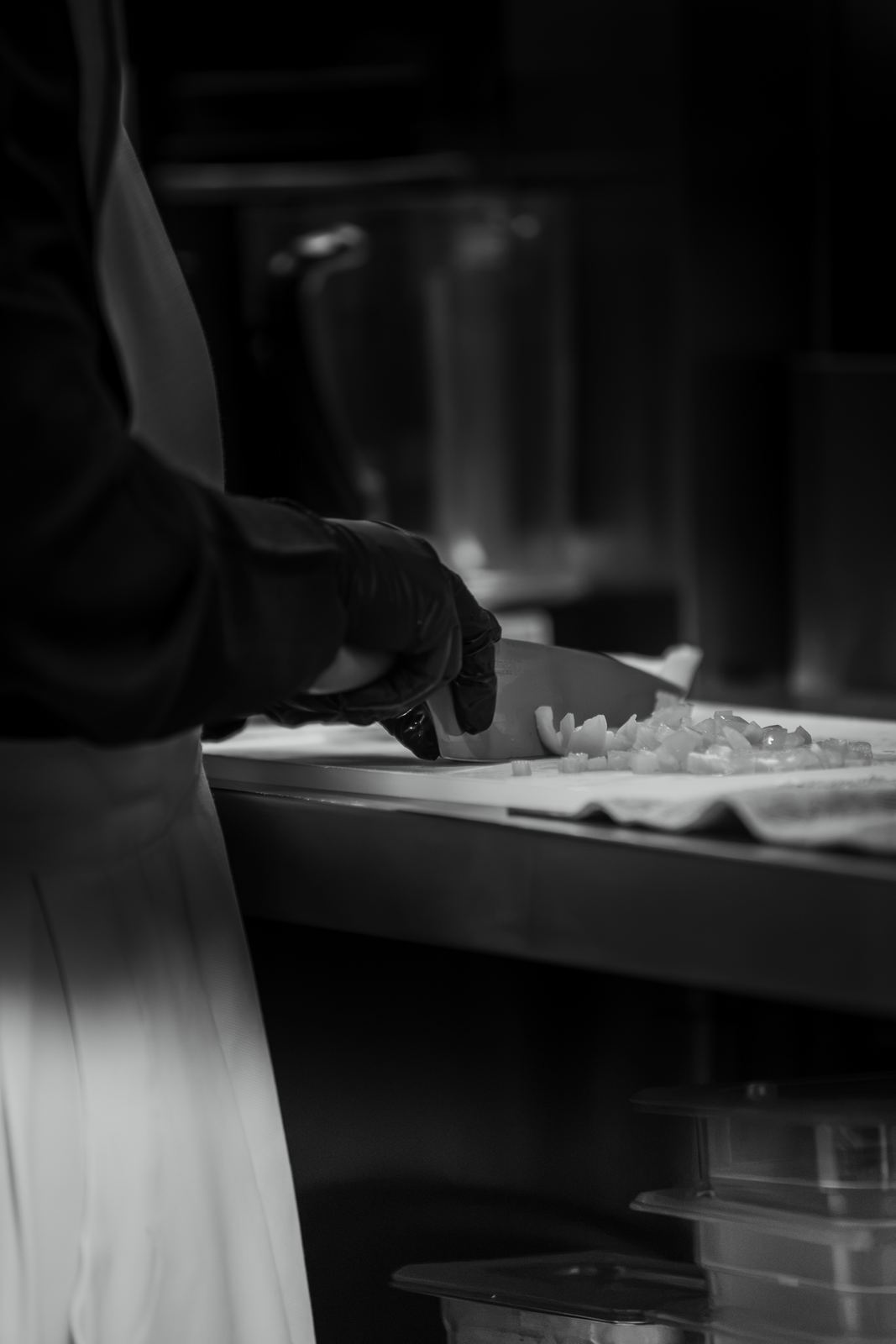
When she catches herself, she asks two questions: Why am I doing this, and for whom? Then she looks across the kitchen at the older sisters cooking, women who started where she is now. “It is worthy to give my life,” she said. “It is worthy to spend my life doing this.”
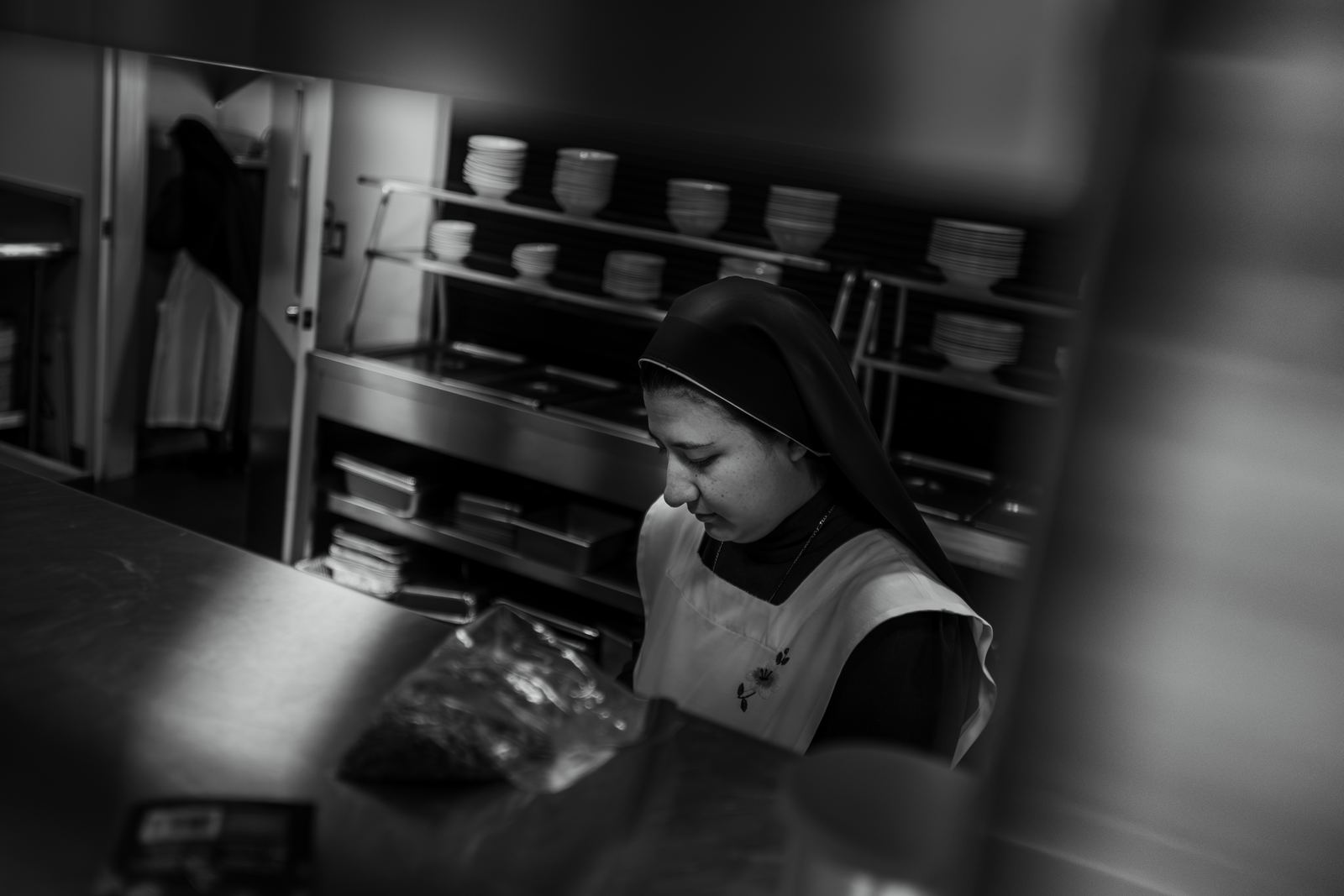
The word oblate means offering. On mornings when the 4:30 alarm feels like a crisis, that is what gets her up. “I’m going to wake up for those who need my offering today,” she said. “But obviously it costs. Every day there is something that will cost, until the day we die.”
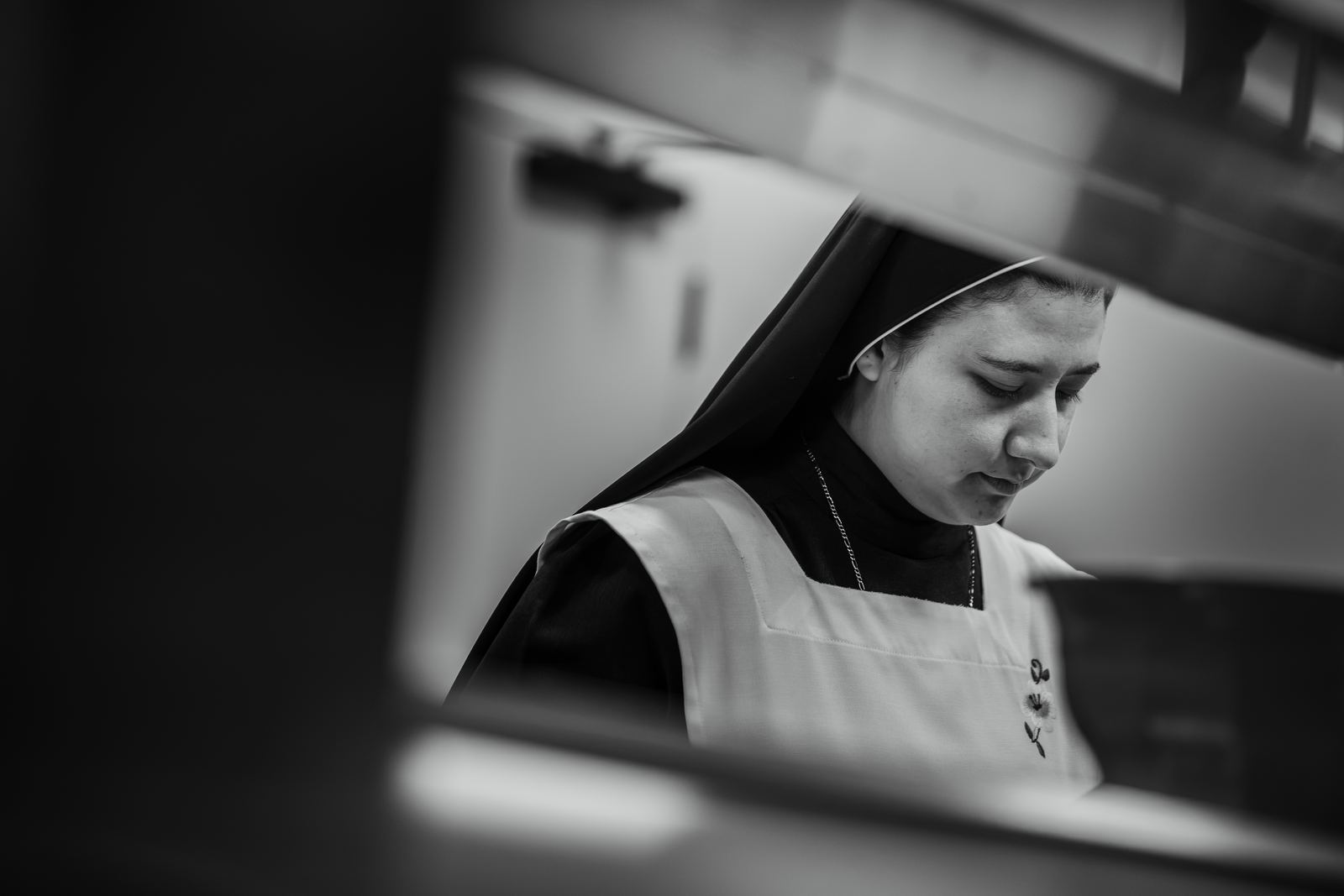
“I’m going to wake up for those who need my offering today.” — Sister Frida
Not superheroes
The sisters’ offering is aimed at priests, and through them at every soul a priest will serve. “Every priest has a lot of souls in his charge,” she said. “So it’s not only about the priest.”
Spend time around priests and you start to see that weight. In an interview for this series, a young priest was asked what it is like to walk into a room with no idea what the person will say, then carry it with nowhere to set it down. He answered by breaking down in tears.
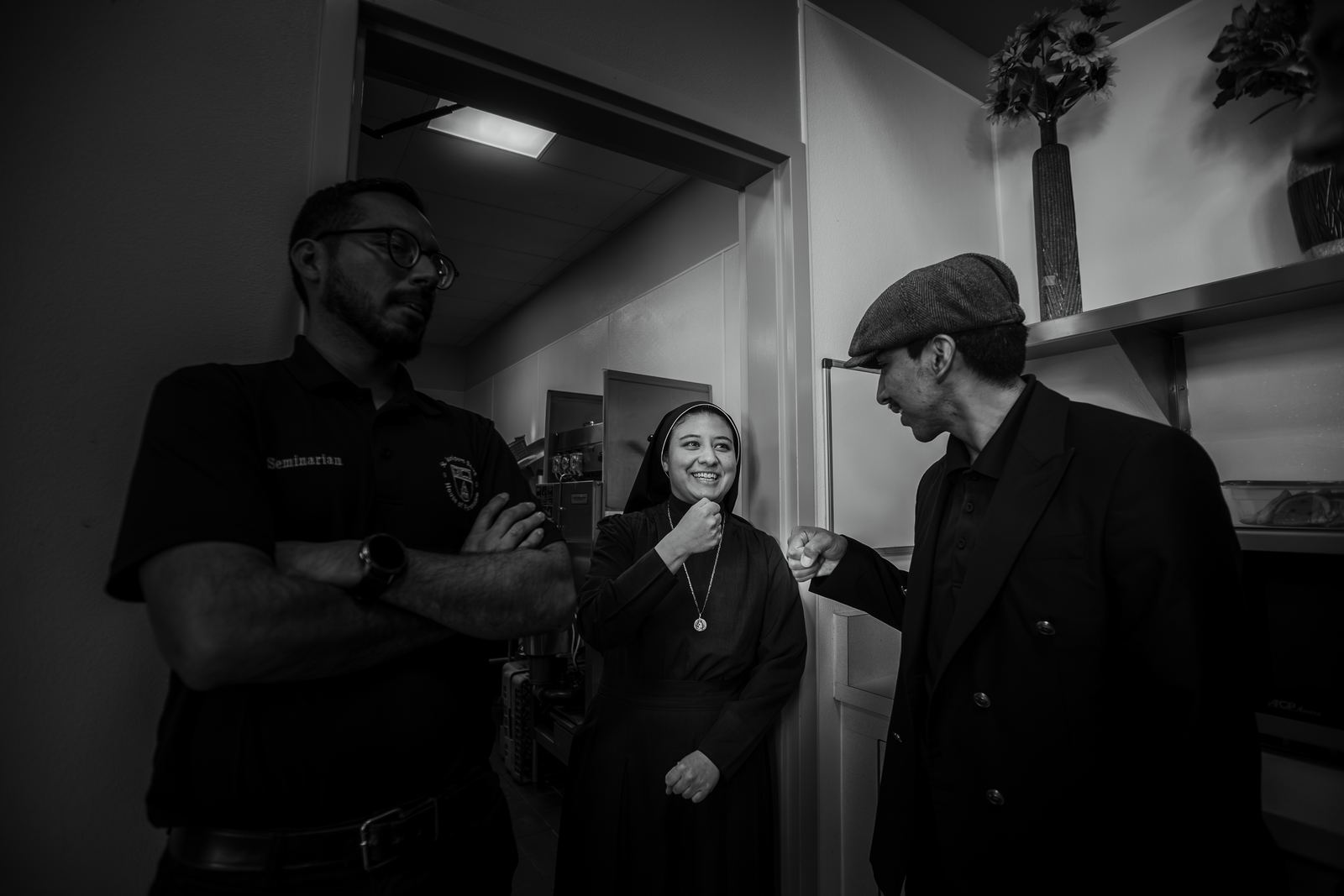
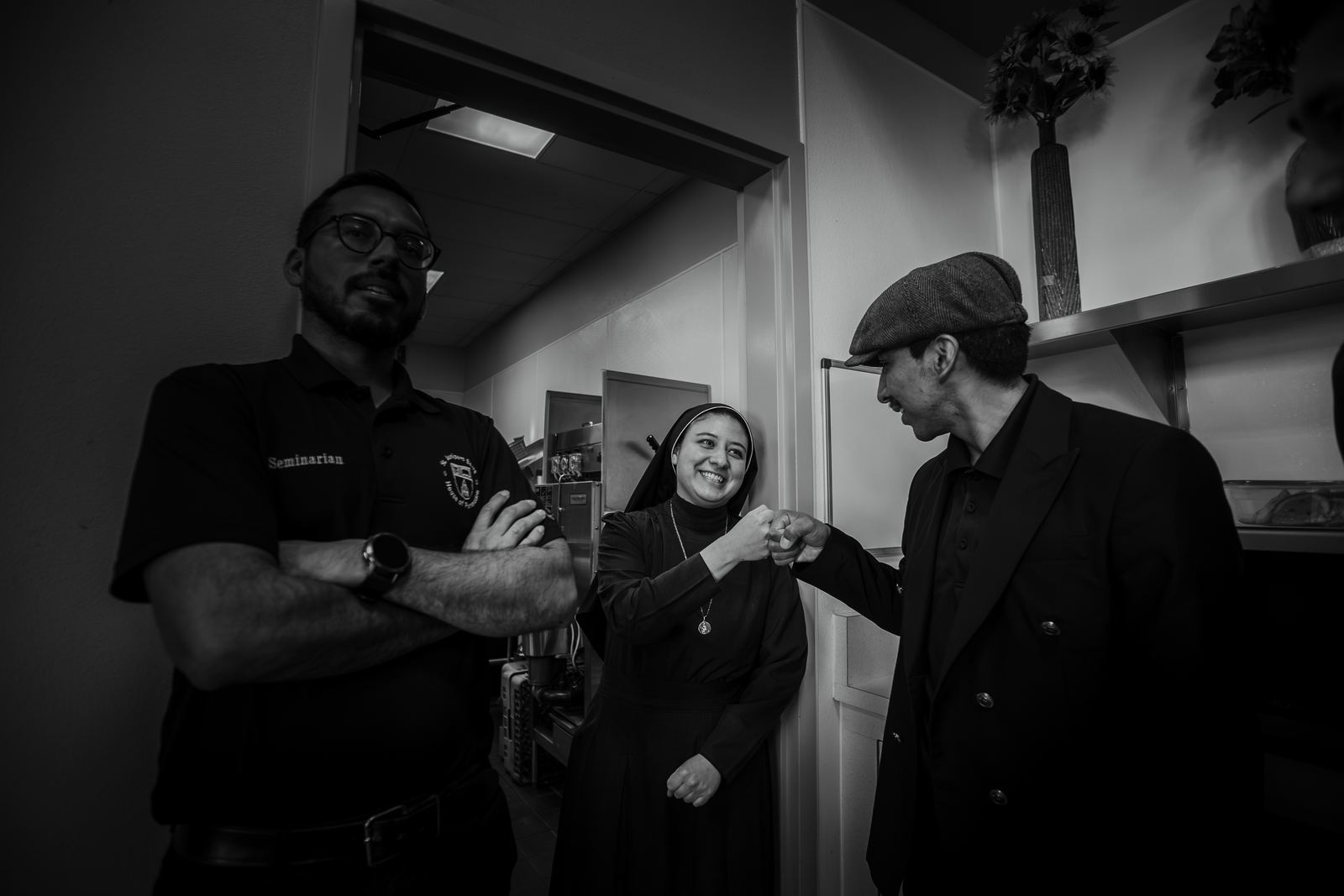
Seminarians feel an early version of it. Many are still wrestling with what they are giving up, marriage among it. What helps a young man say “I can do this,” I have come to believe, is seeing that the people who already said yes are human. Not superheroes. People who struggle, and give their lives anyway.
Sister Frida is one of those people. She does not hide the doubt, the anger at an absent father or the mop she is tempted to skip. She also laughs more than people expect. “We think nuns only pray and pray,” she said. “But we have a lot of fun. We don’t have time to get bored.”
“We are here for you”
Outside this kitchen, the numbers run the other way. The United States had 178,740 religious sisters in 1965. By 2025 there were about 33,135, a drop of more than 80%, according to figures reported by Catholic News Agency.
Her own congregation is still welcoming young women. Seven entered this year, she said. The youngest is 16.
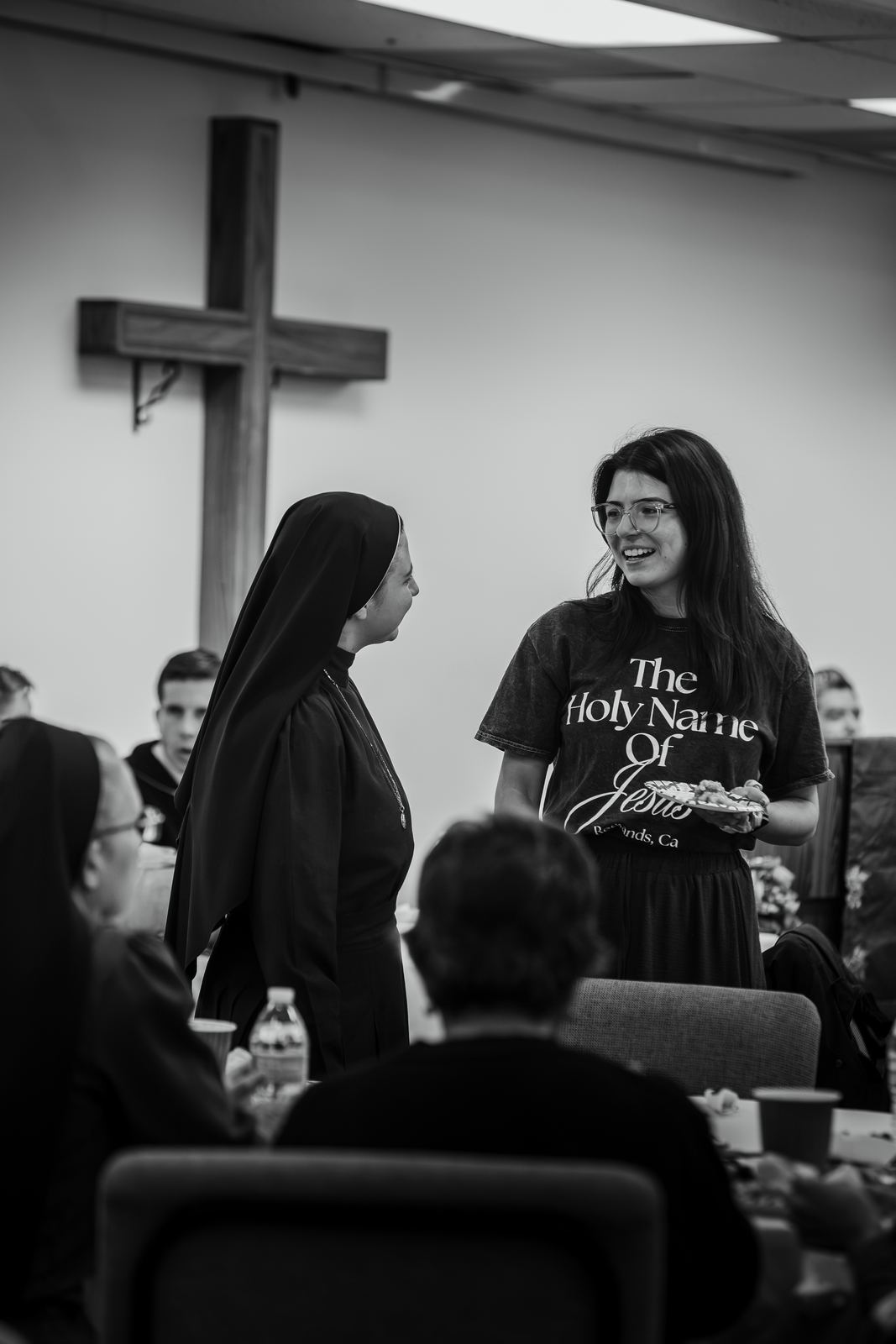
Recently she spoke to a group of young adults. She was nervous about her English and about what to say. At the door, she saw seminarians coming to sit in. “Come on, Sister, you can do it. We are here for you,” they told her.
“I went like, okay, I’m called to be a sister for them, and they are being brothers for me,” she said. She wants them to remember that they can count on her, that she is praying for them, and that they are not alone.
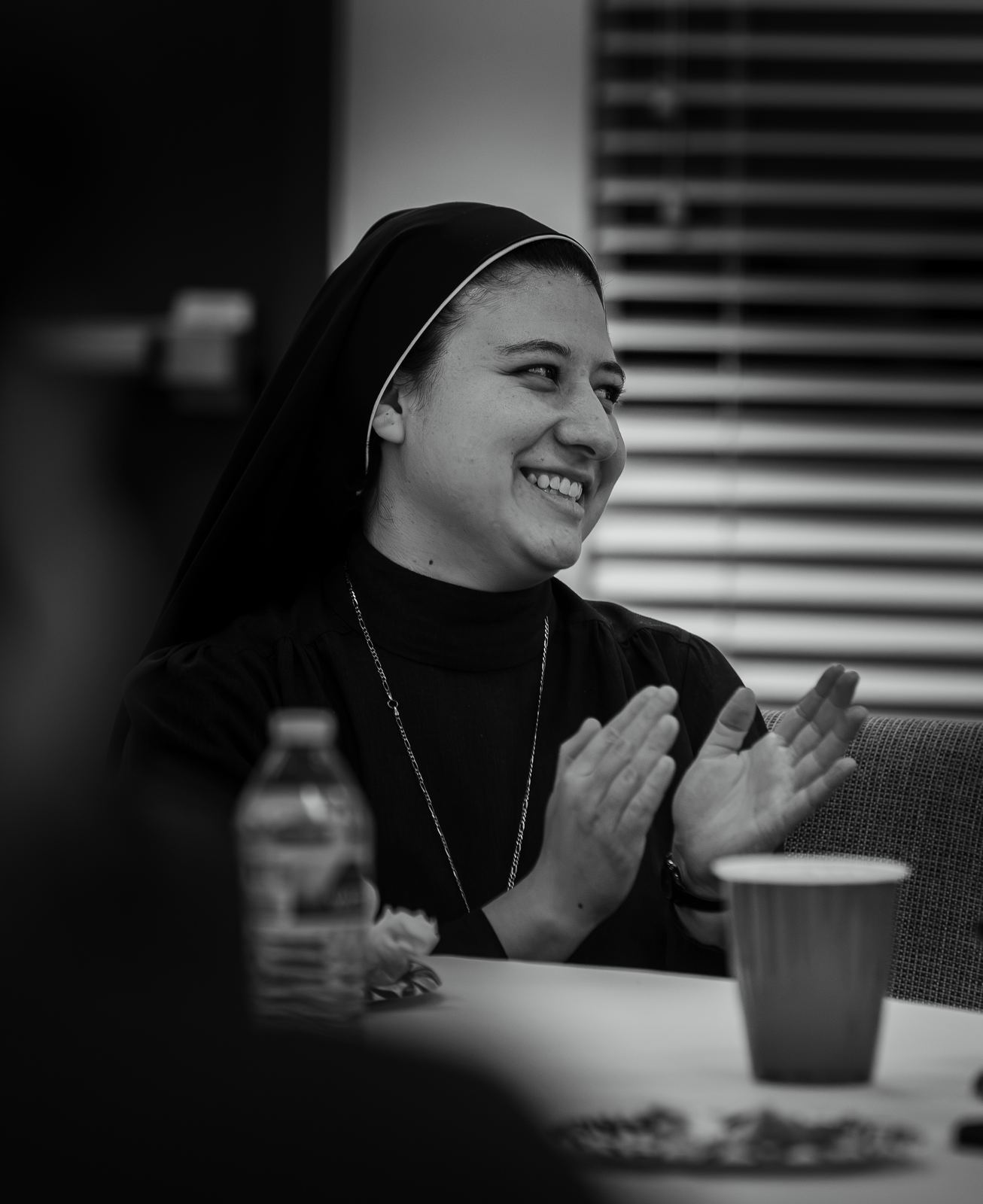
Her advice to a young woman who senses the same call is not to wait for the fear to leave. “If you are afraid, then go with that fear,” she said. “Having fear is a signal that you are taking seriously the call of God.”
“If you are afraid, then go with that fear.” — Sister Frida
The yes she gave at 18 was not the last one. “It’s not only saying yes that day,” she said. “I have to say yes every day.”
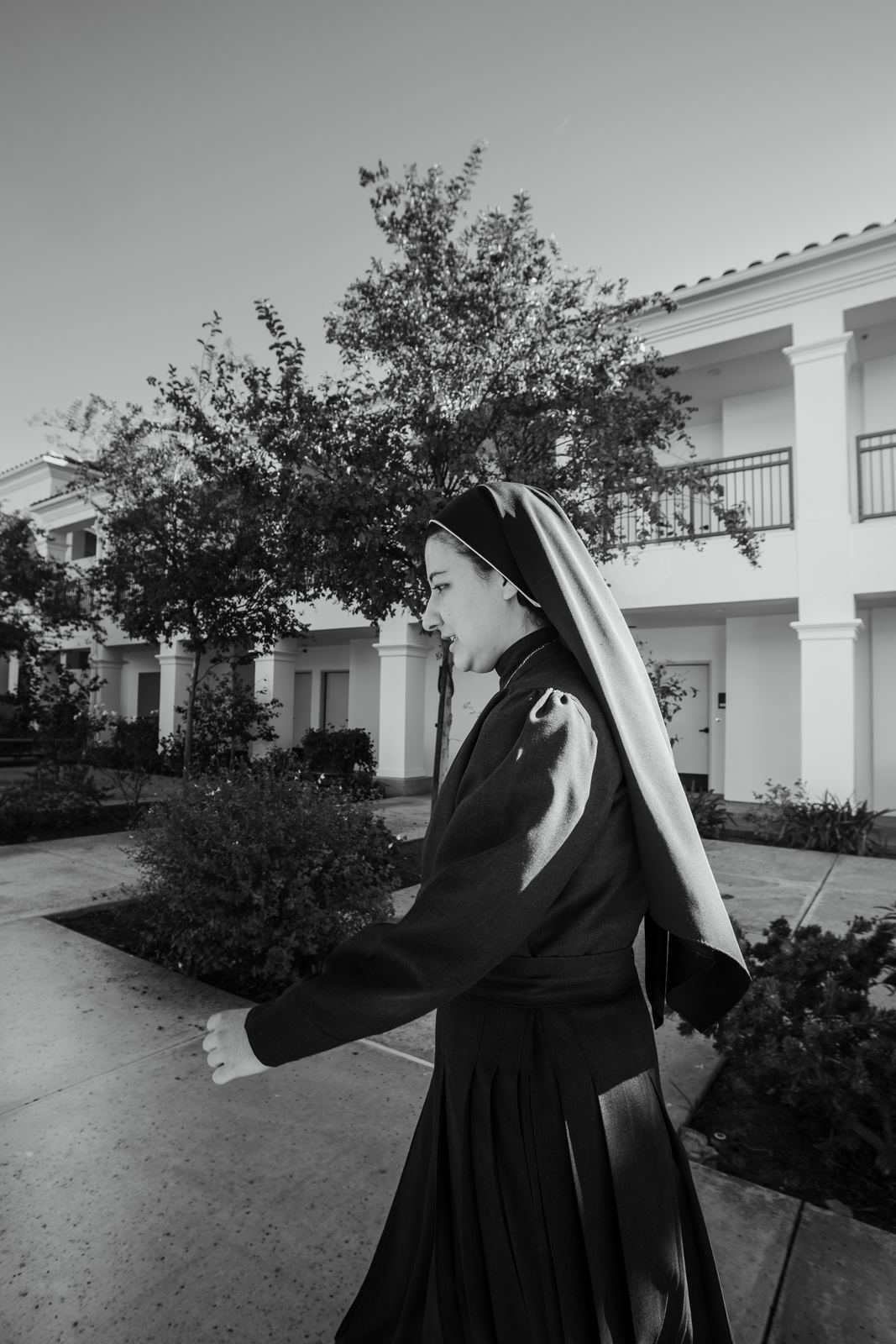
Tomorrow the alarm goes off at 4:30 again.